I remember standing in my shop at five in the morning, my hands coated in flour, watching a young apprentice try to treat a brioche like a standard sourdough. He was checking the clock every five minutes, frustrated that the dough wasn’t behaving, completely unaware of how enriched doughs differ from the lean, stubborn loaves I’d been pulling from the oven for decades. He thought he just needed a faster timer, but he didn’t realize that when you introduce butter and eggs, you aren’t just adding flavor; you are changing the very physics of the dough.
I’m not here to sell you a fancy new gadget or a bag of imported flour that costs more than your electricity bill. What I want to do is show you the actual, tactile reality of working with fat and sugar. We are going to talk about hydration percentages, the way a heavy dough resists your touch, and why your kitchen temperature matters more than any timer ever could. By the time we’re done, you won’t be looking for a perfect picture in a magazine; you’ll be listening to the dough itself.
The Weight of Fat on Gluten Structure
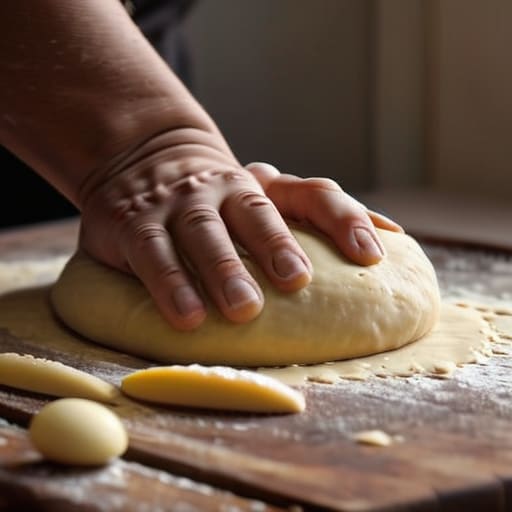
When you’re working a lean dough—just your flour, water, salt, and yeast—you’re looking for strength. You want those gluten strands to stretch and fight, building a structure that can hold a massive amount of air. But the moment you start adding butter, milk, or eggs, the game changes entirely. You’ll feel it under your palms almost immediately; there is a distinct effect of fat on gluten structure that makes the dough feel less like a resilient rubber band and more like a soft, velvet cushion. The fat acts as a sort of lubricant, coating those protein strands and preventing them from bonding too tightly.
It isn’t that the gluten disappears, but it is certainly being told to relax. This is exactly why you get that pillowy, luxurious softness and crumb texture in enriched bread that a baguette simply can’t replicate. While a lean dough is all about tension and a crisp, shattering crust, an enriched dough is about indulgence. You aren’t building a skyscraper; you’re building a cloud. Just remember, because that fat is interfering with the structural integrity, you can’t expect the same explosive oven spring you’d get from a simple sourdough.
Yeast Activity in High Sugar Doughs
Now, don’t go expecting your sourdough to behave once you start throwing sugar into the mix. In a standard lean dough, the yeast has nothing to do but feast on the starches in the flour, and it does so with a certain predictable, vigorous hunger. But when you move into the realm of enriched doughs, you’re essentially asking your yeast to work through a crowd. Sugar is hygroscopic—it loves water—and it will try to grab every drop of moisture in your dough before the yeast can get to it. This is why yeast activity in high sugar doughs often feels sluggish; the sugar is competing for the very hydration the yeast needs to breathe.
If you’re used to the rapid, bouncy rise of a baguette, a brioche might frustrate you at first. It won’t double in size in an hour just because you’re impatient. You have to give it time to overcome that osmotic pressure. I’ve seen many a beginner panic when their dough looks heavy or slow, but that’s just the sugar doing its job. You aren’t looking for a frantic, gasping rise; you are looking for a slow, steady expansion that builds the complex flavors you’re actually after.
Five Things Your Hands Will Tell You Before the Oven Does
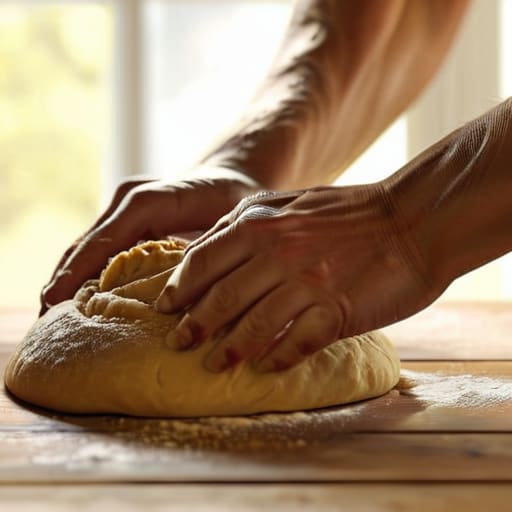
- Don’t expect that immediate, bouncy snap you get with a sourdough. An enriched dough—one with 15% butter or more—is going to feel heavy and a bit sluggish at first. You have to be patient with the gluten; it’s working harder to wrap itself around all that fat, so give it the extra folds it’s asking for.
- Watch your water temperature like a hawk. Because you’re adding sugar and fats, the yeast is essentially working in a thicker, more crowded environment. If your liquid is too cold, that dough will sit on your counter like a stone for hours, and I promise you, rushing it with warm water will only result in a sour, over-proofed mess.
- Learn to trust your sense of touch over a timer. A lean dough tells you it’s ready when it looks airy; an enriched dough tells you it’s ready when it feels supple and slightly tacky, but not sticky. If it feels greasy, you’ve likely added too much fat or didn’t incorporate it well enough during the mixing stage.
- Be prepared for a slower rise. Sugar is food for yeast, yes, but in high concentrations, it actually draws moisture away from the cells—it’s a bit of a tug-of-war. If you’re making a dough with 20% sugar, don’t panic when it doesn’t double in size in an hour; it’s just taking its time to navigate the sweetness.
- The “Windowpane Test” is non-negotiable here. Because the fats want to coat and weaken those gluten strands, you must ensure you’ve developed enough strength before you stop mixing. Stretch a small piece of dough; if it tears immediately, keep going. You need that silky, translucent membrane to hold the weight of the butter and eggs once they hit the heat.
What to Remember When the Dough Changes
Don’t expect a fight; enriched dough is more forgiving than a lean boule, but it requires a gentler hand and a slower approach to prevent the fat from overwhelming your gluten development.
Watch the clock, not just the recipe; the sugar in these doughs acts like a brake on your yeast, so you must be prepared to wait longer for that first rise than you would for a simple sourdough.
Trust your hands over your eyes; an enriched dough should feel supple and silky, not sticky and unmanageable, and if it feels like it’s fighting you, it likely just needs more time to rest and relax.
Finding Your Rhythm with Rich Doughs
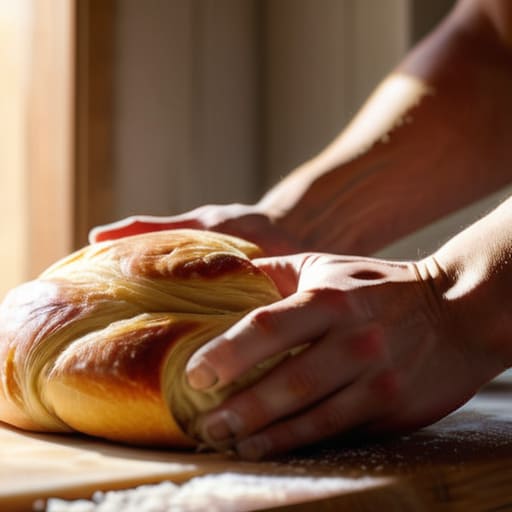
So, when you step back from the bench, remember that an enriched dough isn’t just a “fancy” version of your sourdough; it is a completely different beast. You aren’t just fighting for structure; you are managing the way fats coat those gluten strands and how sugar slows your yeast to a crawl. If your brioche feels heavy or your challah fails to spring, don’t go hunting for a new recipe. Look at your room temperature, check your water warmth, and ask yourself if you were too impatient with the bulk fermentation. It usually comes down to the fact that enriched doughs demand more of your time and a much more gentle touch than a simple lean dough ever would.
At the end of the day, baking is less about following a list of instructions and more about learning to listen to the dough under your palms. There will be days when the butter is too cold or the kitchen is too drafty, and your loaves will come out dense and stubborn. That’s alright. Those failures are just the way the dough tells you it wasn’t ready. Don’t let a heavy loaf discourage you; instead, treat it as a lesson in patience and observation. Once you stop fighting the ingredients and start working with their natural rhythms, you’ll find that the most rewarding breads are the ones that required you to slow down and truly pay attention.
Frequently Asked Questions
If I'm using a high-fat enriched dough, should I still expect to see the same kind of windowpane test I get with a lean sourdough?
Don’t go hunting for that translucent, paper-thin windowpane you get with a lean sourdough; you’ll only end up frustrated and overworking the dough. All that fat—the butter, the egg yolks—acts like a lubricant, coating the gluten strands and making them slide past each other rather than locking together. You’re looking for a supple, elastic stretch that holds without tearing, but it will feel richer and more “short” than a lean dough ever could.
How much does the temperature of my milk or eggs actually matter when I'm trying to wake up the yeast in a sugary dough?
It matters more than you think. If you pour fridge-cold milk into a dough heavy with sugar, you aren’t just slowing the yeast; you’re putting it into a coma. Sugar is a thirsty, demanding thing that competes with yeast for moisture. If your liquids are cold, the yeast won’t have the thermal energy to fight through that sugar load. Aim for lukewarm—about 35°C—so the yeast wakes up hungry, not shivering.
Can I swap out some of the butter for oil if my hands are getting too tired from handling a heavy, enriched dough?
You certainly can, though you’ll feel the shift immediately. Butter is a solid at room temperature; it provides structure and that creamy, melt-in-the-mouth crumb we love. Oil is liquid, so it coats the gluten strands more thoroughly, making the dough feel much more supple and—bless you—easier on your hands. Just remember, oil won’t give you that same richness or “lift” in flavor. If you swap, aim for a 1:1 weight replacement.