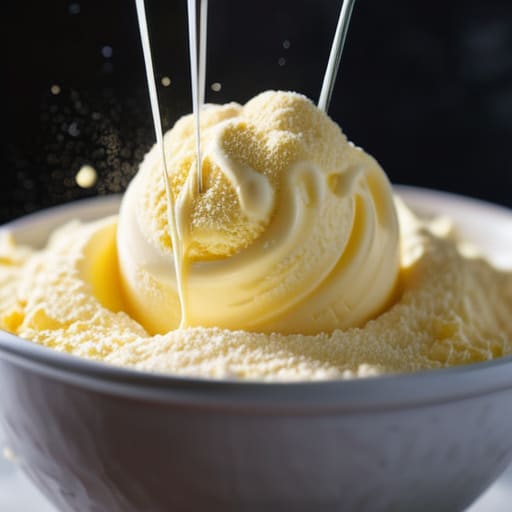
I remember standing over my old wood-fired oven at four in the morning, my hands coated in a film of flour and sweat, watching a batch of dough that looked more like soup than bread. A young apprentice had tried to follow a fancy new recipe that promised “extreme open crumb” by cranking the water up to eighty percent, but he hadn’t understood how hydration changes bread—he only understood how to follow a number on a page. He didn’t realize that more water isn’t a magic trick for holes; it’s a demand for more strength, more time, and much gentler hands.
I’m not here to sell you a specialized high-speed mixer or a proprietary flour blend to fix your problems. What I am going to do is strip away the nonsense and show you the actual relationship between water and gluten. We are going to talk in percentages, not cups, so you can finally understand why your dough feels like a sticky nightmare one day and a tight, stubborn ball the next. I’ll teach you to read the dough with your fingers, because once you master the water, you stop following recipes and start actually baking.
Gluten Network Formation Through Pure Moisture
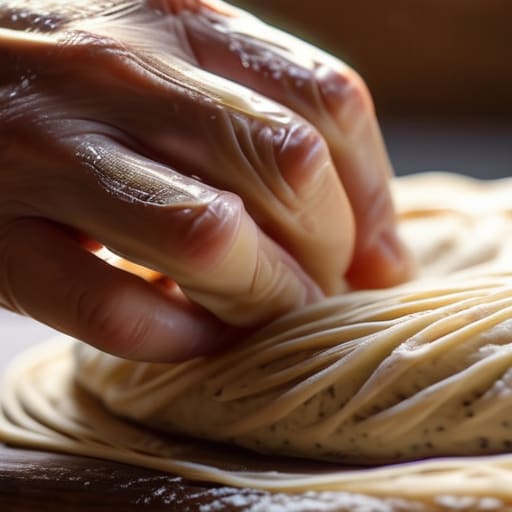
You see, water isn’t just something that makes the flour wet; it’s the medium that allows the proteins to actually find one another. When you’re working with a lower hydration, the dough is tight, stubborn, and easy to handle, but the proteins are crowded. As you increase that water, you’re essentially lubricating the dance. This is where true gluten network formation begins. The moisture allows the glutenin and gliadin to move, link up, and stretch without snapping. If the dough feels too stiff to move, you aren’t giving those proteins the room they need to build the scaffolding that holds your bread up.
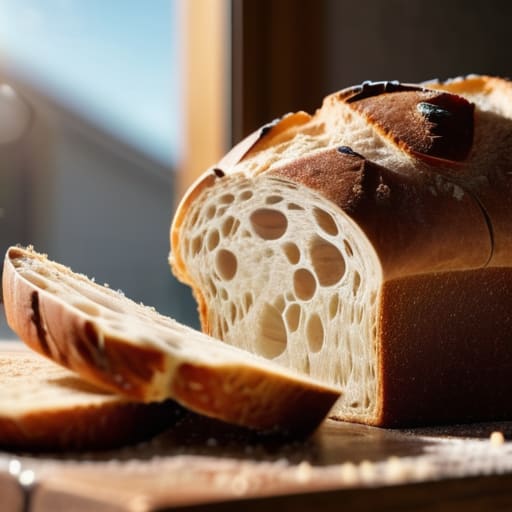
Once that network is established, the magic happens during the bake. A wetter dough allows for a much more dramatic open crumb structure development because those gas bubbles aren’t fighting against a dense, tight wall of flour. Instead, they expand into a flexible web. But don’t get ahead of yourself—if you try to manipulate a high-hydration dough before that network is strong, you’ll just tear it apart. You have to respect the water, or the water will disrespect your loaf.
The Truth of Dough Elasticity and Water Content
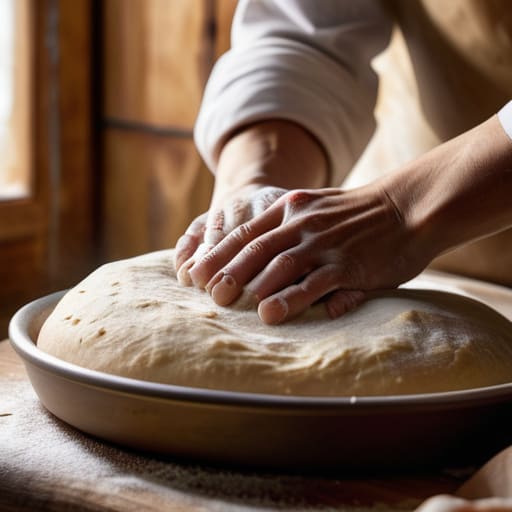
Now, don’t go thinking that more water automatically means more bounce. There is a delicate dance between dough elasticity and water content that most people trip over. When you increase your hydration, you are essentially lubricating those gluten strands, allowing them to slide past one another more easily. It makes the dough feel supple and alive, but if you’re too aggressive with your handling, you’ll snap that tension like a dry twig. You want the dough to push back against your palm with a gentle, rhythmic spring, not fight you like a stubborn mule.
If you find yourself working with those high hydration sourdough techniques that everyone raves about on the internet, you have to learn to trust the dough’s strength rather than your own muscle. A wetter dough requires a lighter touch—more folds, less kneading. If you try to manhandle a 80% hydration dough as if it were a stiff bagel recipe, you’ll collapse the very air you worked so hard to trap. You aren’t just mixing ingredients; you are managing a living, stretching structure that needs room to breathe.
Five Things the Flour Won't Tell You
- Stop treating your kitchen like a laboratory and start feeling the dough. If you’re working with a high-hydration dough—say, 80% or higher—it’s going to feel like a wet, useless heap at first. Don’t panic and add more flour; that’s how you end up with a brick. Give it time to absorb the water and develop its own strength through rest.
- Temperature is your silent partner. If your kitchen is a drafty cellar, that 75% hydration dough is going to behave like a 60% dough because the yeast is shivering. Warmth accelerates the movement of water into the starch, so if you’re working in the cold, you have to be more patient than usual.
- Watch your hands, not just the clock. If you’re rough with a high-hydration dough, you’ll tear the very gluten network you worked so hard to build. You don’t punch it; you fold it, gently tucking the edges under itself like you’re tucking a child into bed. If you manhandle it, you’ll lose the air, and your beautiful open crumb will turn into a dense, gummy middle.
- The “windowpane test” is more reliable than any timer. Instead of staring at the clock, take a small piece of dough and stretch it. If it tears immediately, it needs more time or more strength. If it stretches thin enough to see light through without snapping, you’ve hit the sweet spot. The water has done its job.
- Salt isn’t just for flavor; it’s a structural stabilizer. If you’re pushing the limits with very high hydration, don’t be tempted to skimp on the salt. It helps tighten that gluten net, giving the dough just enough backbone to hold those lovely large bubbles instead of just collapsing into a puddle.
What to Carry Away From Your Bench
Stop looking at the clock and start looking at the dough; hydration isn’t a fixed number on a page, but a moving target that reacts to the temperature of your kitchen and the thirst of your flour.
If you decide to jump from a 65% hydration to an 80% one just because a photograph looks airy, prepare to fight for your life with a sticky mass that won’t hold a shape unless you’ve mastered your handling and your rests.
Remember that more water doesn’t automatically mean more open crumb—it just means more responsibility on your hands to build the strength that the water is trying to loosen.
Finding Your Rhythm
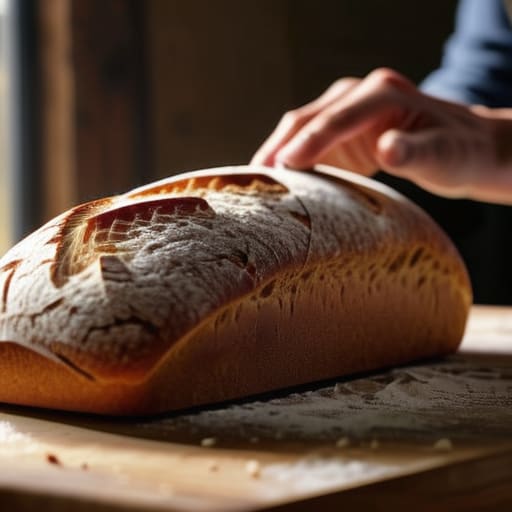
At the end of the day, understanding hydration isn’t about memorizing a list of numbers; it’s about understanding the relationship between the flour and the water. We’ve talked about how more water creates a more open, airy crumb and a stronger gluten network, but we also touched on the reality that higher hydration requires more discipline and better handling. If you jump from a 65% dough straight to an 80% dough without respecting the way that extra moisture affects your fermentation and your strength-building, you’re going to end up with a flat, gummy puddle. It’s a delicate balance of temperature, time, and technique that no textbook can fully capture.
Don’t let a sticky dough or a collapsed loaf discourage you. Most people see a mess and blame the recipe, but I promise you, the recipe is fine—you just haven’t learned the language of the dough yet. Every time you feel that tension change under your palms or notice the way the dough relaxes after a rest, you are learning. Baking is a conversation between your hands and the ingredients, and sometimes you have to listen to what the flour is telling you. So, keep your scales handy, trust your senses over your eyes, and remember that even the most beautiful sourdough was once just a pile of flour and a bit of patience.
Frequently Asked Questions
If I'm moving from a 65% hydration dough to something higher like 75% or 80%, do I need to change my kneading technique or can I just let the dough do the work?
Listen, if you try to knead an 80% hydration dough like you’re working a stiff bagel recipe, you’ll just end up with sore arms and a sticky disaster. At that level, you stop fighting the dough and start coaxing it. Forget the heavy kneading; move to coil folds or gentle stretch-and-folds every thirty minutes. You aren’t building structure through brute force anymore; you’re letting time and gravity do the heavy lifting for you.
How do I know if my kitchen is too cold for a high-hydration dough, and will that extra water just make the fermentation stall out?
If your kitchen feels like a cellar, your dough will feel like a brick. If you can’t sit comfortably in a t-shirt, your yeast is likely sulking. High hydration makes dough more sensitive; that extra water can actually act as a thermal sink, pulling heat away from the microbes. If the dough isn’t showing signs of life—no tiny bubbles, no gentle wobble—don’t just add more water. Move it to a warmer spot or use slightly warmer water next time.
Is there a point where adding more water stops helping the crumb and just starts making the loaf collapse in the oven?
Oh, absolutely. There is a tipping point, and most people stumble right over it. You can’t just keep pouring water in thinking a wetter dough equals a better crumb; eventually, you’ve diluted the gluten network so much that it lacks the strength to hold its own weight. If your hydration is too high for your flour’s protein or your handling skills, the structure will simply give up the ghost mid-bake, leaving you with a flat, gummy pancake.