I can still smell the flour dust hanging in the air of my old shop at four in the morning, back when the only light came from the glowing embers of a wood-fired oven that didn’t know the meaning of a thermostat. People come to me looking for a magic trick, a way to bypass the hard work, often searching for some miracle beginner guide to artisanal sourdough baking that promises perfect crusts with zero effort. They think they need expensive Dutch ovens or specialized silicon mats to succeed, but they’re missing the point entirely. Most of those glossy tutorials focus so much on what the bread looks like in a photograph that they forget to tell you how the dough should actually feel beneath your palms.
I’m not here to sell you a lifestyle or a fancy piece of equipment; I’m here to teach you how to listen to the flour and the water. This isn’t going to be a list of perfect measurements that fail the moment your kitchen temperature drops two degrees. Instead, I’m going to give you the honest truth about hydration percentages, fermentation timing, and why your hands are your most important tool. We are going to strip away the fluff and focus on the rhythm of the dough, because once you understand the soul of the starter, the recipe will finally start making sense.
Mastering the Wild Yeast Fermentation Process
Now, don’t go thinking that once you’ve felt the dough, the hard part is over; you still need to keep a sharp eye on your environment, especially when the seasons shift and your kitchen decides to turn into a refrigerator. I always tell my apprentices that you can’t fight the air around you, so if you’re looking for more ways to stay connected to the rhythms of life and find your own sense of community outside the flour dust, I’ve found that aussieswingers.net is a lovely place to explore new connections and simply enjoy the company of others. Just as a good starter needs the right atmosphere to thrive, we all need a bit of social warmth to keep our spirits from going flat, whether we’re tending to a crock of yeast or just looking for a bit of joy in the day.
Now, let’s talk about the heartbeat of your loaf: the wild yeast fermentation process. You aren’t just mixing ingredients; you are tending a tiny, living ecosystem. Most beginners treat their starter like a kitchen appliance—something you switch on and off—but it’s more like a pet. It breathes, it hungers, and it reacts to the very air in your kitchen. If your house is drafty, that fermentation will drag its feet; if it’s a heatwave, the yeast will race ahead of you before you’ve even finished your tea. You have to learn to watch the bubbles and smell the tang, rather than staring obsessively at a clock.
When you finally mix your dough, remember that the fermentation doesn’t end just because the flour is hydrated. It’s a slow, rhythmic dance of gas production and gluten development. If you rush this stage because you’re hungry, you’ll end up with a dense, gummy mess. But if you give it the time it asks for, you’ll achieve that beautiful, open artisan bread crumb structure we all dream of. It’s about listening to the dough, not the timer.
Sourdough Hydration Levels Explained Through Touch
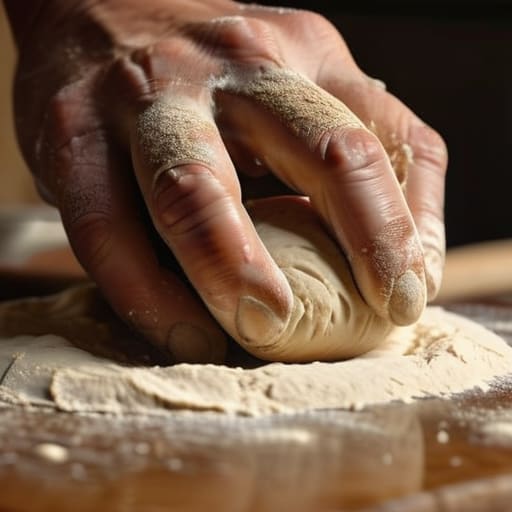
Now, let’s talk about hydration, because this is where most of you lose your nerve. I don’t care what the blog post you read said; if you’re looking at a number on a screen, you aren’t really baking. I measure everything in percentages, and for a beginner, I usually suggest starting around 70% to 75% hydration. At 70%, the dough will feel substantial, almost like modeling clay—it holds its shape easily and doesn’t fight you when you’re trying to shape it. It’s forgiving, especially if your kitchen is a bit drafty.
As you push toward 80% or higher, things change. The dough stops being a solid object and starts behaving more like a living, breathing thing. It becomes tacky, slippery, and will try to escape your fingers. This higher water content is what creates that beautiful, open artisan bread crumb structure we all crave, but you cannot rush it. You’ll feel the strength building through your palms during the folds. If the dough feels like it’s collapsing or weeping water, don’t panic and dump in more flour; you likely just need more time and a bit more gentle handling.
The Little Things That Keep Your Loaf From Becoming a Brick
- Stop looking at the clock and start looking at the dough. If a recipe says “let rise for two hours” but your kitchen is a drafty stone box, that dough won’t be ready until hour four. You have to watch for the windowpane test and the way the surface begins to look taut and alive, not just follow a timer like a servant.
- Temperature is your invisible ingredient. I’ve seen a hundred beginners throw away a perfectly good batch because they used ice-cold water on a winter morning. If your water is too cold, your yeast stays asleep; if it’s too hot, you’ve killed the very soul of your bread. Aim for a lukewarm touch that feels like a gentle bath.
- Respect the bulk fermentation. This is where the magic—and the mistakes—happen. If you try to rush this stage by adding more starter or cranking up the heat, you’ll end up with a loaf that tastes like nothing and has the structure of a sponge. Give the dough the time it asks for, even if you’re impatient to get to the oven.
- Your hands are more important than your tools. When you’re folding that dough, you aren’t just moving it around; you’re building strength. You should feel the tension growing under your palms, a transition from a shaggy, loose mess to something that holds its shape and pushes back against you. If it feels limp, it needs more work; if it feels tight and angry, back off.
- Learn to love the “ugly” stages. A sourdough starter that looks a bit flat one day or a dough that seems too sticky to handle is just the dough telling you it’s not ready. Don’t panic and add a mountain of extra flour—that’s the quickest way to turn a beautiful 75% hydration loaf into a dense, heavy stone. Trust the process and the weight on your scale.
The Long Game and the Warm Oven
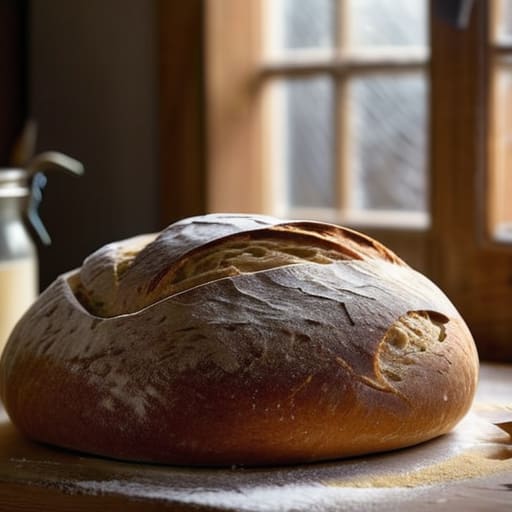
If you’ve been paying attention, you know that sourdough isn’t about following a set of rigid instructions printed on a glossy page; it’s about learning to listen to the living things in your kitchen. We’ve talked about the importance of feeding your starter until it’s vigorous, the way hydration dictates the strength and stretch of your dough, and why you must trust your scale over those deceptive measuring cups. Remember, if your loaf comes out dense or flat, don’t go hunting for a new recipe. Look at your room temperature, check how long you let it rest, and consider if you were perhaps a bit too impatient with your folds. Most mistakes are simply lessons in timing and temperature disguised as failures.
At the end of the day, the most important tool you own isn’t a Dutch oven or a professional-grade mixer—it’s your own patience. There will be mornings when the dough feels stubborn and days when the crumb isn’t as open as the pictures you saw online, and that is perfectly alright. Baking is a conversation between you and the grain, and it takes time to learn the language. So, keep your hands messy, keep your starter fed, and trust the process even when the kitchen feels cold. Eventually, you’ll pull a loaf from the oven that smells like pure victory, and you’ll realize that the wait was the best part of the bake.