I once watched a young man in my shop spend forty minutes weeping over a sourdough that refused to rise, convinced he needed a specialized digital thermometer or a brand-new, expensive flour to save the batch. It’s the great lie of modern baking: the idea that you can buy your way out of a mistake. People spend a fortune on gadgets and “miracle” ingredients, searching for how to fix a bake that failed, when the truth is usually much simpler and much more frustrating. They think the recipe is broken, but more often than not, it’s just that the kitchen was too drafty, the water was too hot, or they were too impatient to let the dough find its own rhythm.
I’m not here to sell you a new mixer or a complicated chart. I’m going to tell you what actually happened to that dough while you weren’t looking. We are going to look past the glossy photographs and talk about the real culprits: temperature, timing, and the way your hands treated the gluten. I promise to give you the honest, unvarnished truth about why your loaf turned into a brick, so you can stop blaming the ingredients and start listening to the flour.
The Lie of the Cup Baking Ingredient Ratios Explained
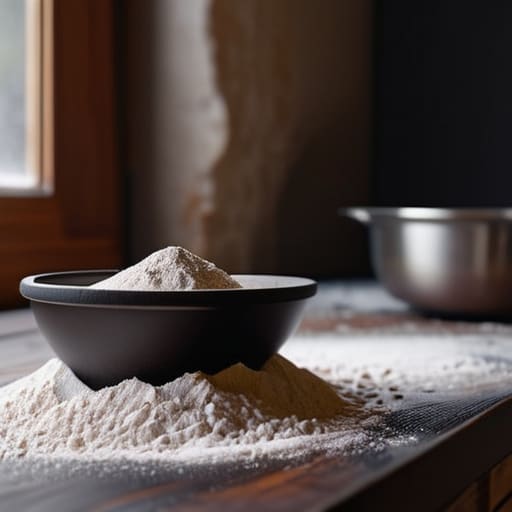
If you walk into any supermarket, you’ll see a thousand measuring cups promising you the world, but I’m telling you right now: those cups are liars. I spent thirty-four years watching people walk into my shop with flour that was packed down like wet clay or sifted into airy clouds, and they both ended up with the same amount of “one cup.” It’s a recipe for disaster. When I talk about baking ingredient ratios explained, I’m not talking about volume; I’m talking about the relationship between the flour and the liquid. If you aren’t using a scale, you aren’t really baking; you’re just guessing, and the dough can tell when you’re guessing.
I always work in percentages. If I’m running a 75% hydration dough, it doesn’t matter if my flour is heavy or light—the ratio stays the same. When people ask me, “Why did my cake sink in the middle?” or why their bread is a dense brick, they usually point to the leavening agent. But more often than not, it’s because their ratio was skewed by a handful of “extra” flour they thought they needed. You have to learn to trust the weight, not the volume.
Troubleshooting Leavening Agents When the Rise Refuses You
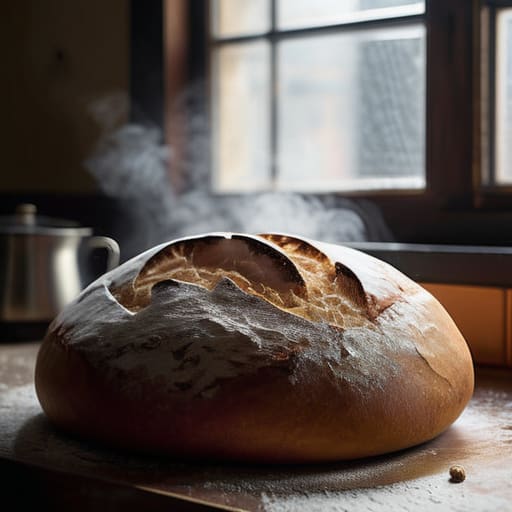
Now, if your dough looks more like a heavy stone than a living thing, we need to talk about the life force of your bake. When you are troubleshooting leavening agents, you have to stop looking at the packet and start looking at your environment. Yeast is a living creature, not a chemical additive; if your water was too hot when you bloomed it, you didn’t just wake it up, you killed it. I’ve seen many a beginner wonder why did my cake sink in the middle or why their rolls are dense as lead, only to realize they used water straight from a steaming tap.
You also have to consider the age of your powders. Baking soda and powder are temperamental; they lose their spirit if they’ve been sitting in a damp cupboard for six months. If your rise is sluggish, don’t just throw more in next time—test your supply first. A little bit of heat and a splash of vinegar will tell you if that powder still has any fight left in it. Remember, leavening is about timing and temperature, not just following a line on a measuring spoon.
The Three Culprits: Temperature, Timing, and the Rough Hand
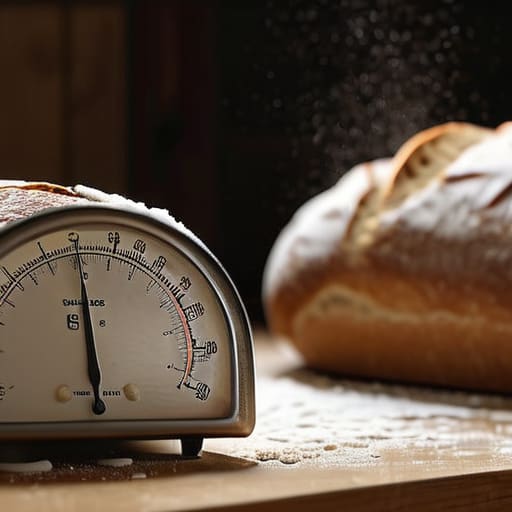
- Stop blaming the recipe and check your thermometer; if your kitchen is a cellar and your water is cold, your dough isn’t “dead,” it’s just sleeping, so wrap it in a tea towel and give it some warmth.
- Respect the hydration, not the volume; if your dough feels like wet sand instead of a supple, tacky skin, you’ve likely over-measured your flour with a cup, so next time, trust the scale and the percentage.
- Watch your hands, not the clock; if you’re kneading like you’re trying to punish the dough, you’ll tear the gluten structure to shreds, but if you’re gentle and rhythmic, the dough will tell you exactly when it’s ready to rest.
- Don’t rush the proof; if you try to force a rise because you’re hungry, you’ll end up with a dense, gummy crumb that no amount of oven spring can save, so learn to sit still and wait for the dough to breathe.
- Listen to the oven’s mood, not its dial; a thermostat is a suggestion, but the way the crust sounds when you tap the bottom of a loaf tells the real truth about whether the heat was truly working.
The Baker’s Truths to Carry in Your Apron Pocket
Forget the measuring cups; if you aren’t weighing your flour and water in grams, you aren’t baking, you’re guessing—and guessing is why your hydration is never what you intended.
When a loaf sits heavy and flat, stop looking at the ingredients and start looking at your thermometer and your clock; most failures are simply a result of a kitchen that was too cold or a dough that was rushed through its rest.
Trust your hands more than your eyes, because a photograph can lie about a crumb, but the tension in your dough and the way it responds to a gentle fold will tell you exactly what it needs.
A Final Word Before the Oven Preheats
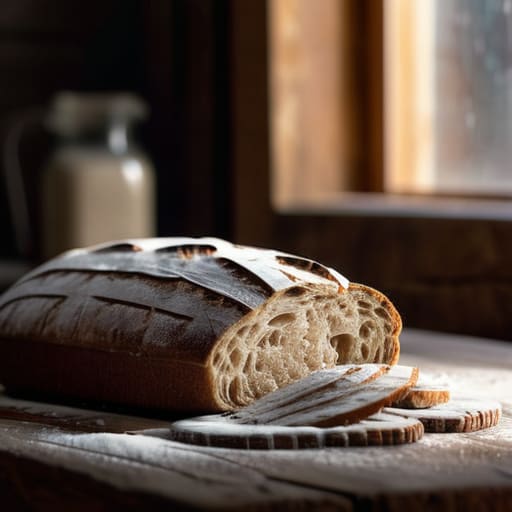
At the end of the day, fixing a failed bake isn’t about finding a magic ingredient; it’s about learning to listen to what the dough is telling you. We’ve talked about why your ratios were off because you relied on those lying cups, why your yeast might have been sleeping on the job, and how a drafty kitchen can kill a rise before it even starts. If your loaf comes out dense, don’t throw the flour in the bin and blame the book. Look at your ambient temperature, check your hydration percentages, and ask yourself if you were perhaps a bit too heavy-handed during the fold. Most failures are simply lessons disguised as bricks.
I spent thirty-four years waking up in the dark to do this, and I can tell you that even on my best days, I occasionally pull something out of the oven that looks more like a stone than a sourdough. The difference between a baker and someone who just follows instructions is the willingness to fail, to clean the flour off the counter, and to start again. Baking is a conversation between you, the grain, and the clock. Be patient, trust your hands more than your eyes, and remember that even a “failed” loaf usually makes excellent toast if you slather it in enough salted butter.
Frequently Asked Questions
My dough feels like a sticky, unmanageable mess—is my hydration too high, or am I just handling it too roughly?
Don’t panic. If it’s a sticky mess, first look at your hydration—if you’re sitting at 78% or higher, it’s supposed to feel a bit unruly. But if you’re at 65% and it’s clinging to your fingers like glue, you’ve likely under-developed the gluten. Stop fighting it. Stop adding flour—that’s how you end up with a brick. Give it some time, a few more folds, and let the dough find its own strength.
Why did my crust come out thick and tough instead of thin and crisp, even though I followed the timing?
If your crust is a thick, leathery slab instead of a crisp shell, you haven’t failed the timing; you’ve likely failed the humidity. If your oven was too dry or your dough was slightly too warm when it went in, the surface sets too fast, trapping moisture inside that eventually turns the crust gummy and tough. Or, you were too heavy-handed during the final shaping. A crust needs a gentle touch and enough steam to breathe.
If my kitchen is freezing in the winter, how do I adjust my fermentation time without killing the yeast?
Don’t you dare try to force it with heat; a blast of hot air will just shock the yeast and leave you with a sour, uneven mess. If your kitchen is freezing, you don’t change the recipe, you change the environment. Use slightly warmer water—around 30°C—to give them a head start, then let time do the heavy lifting. It might take twice as long, but a slow, steady rise in a cold room is better than a rushed, dead dough.