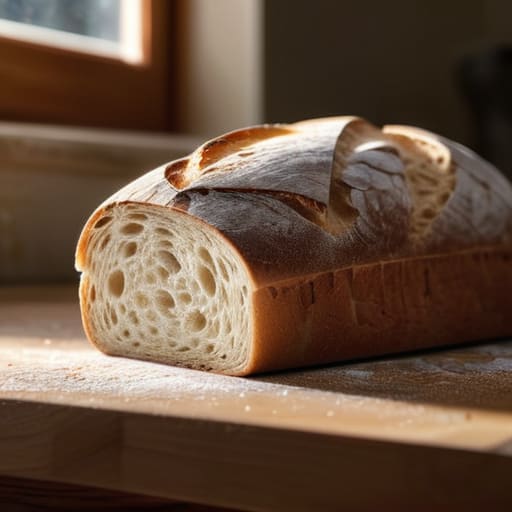
I spent thirty-four years watching people throw away perfectly good loaves simply because they didn’t know how to freeze and refresh bakes without turning them into something resembling a doorstop. I’ve seen it a thousand times in my own shop: a baker gets ambitious, overproduces, and then panics when the bread starts to go stale by Tuesday. They think they need expensive vacuum sealers or some complicated laboratory technique to save their hard work, but they’re just making it harder than it needs to be. Most of the time, the problem isn’t the bread itself; it’s the way you’ve treated it once the oven door closed.
I’m not here to sell you on fancy gadgets or complicated storage systems that take up half your counter space. Instead, I’m going to tell you exactly how to handle your dough and finished crusts so they stay as good as the day they left the heat. We’ll talk about the right way to wrap things up, the importance of temperature control, and how a bit of heat can bring a crust back to life better than any store-bought loaf ever could. No fluff, just the honest truth about keeping your bakes alive.
Preventing Freezer Burn in Pastries With Honest Protection
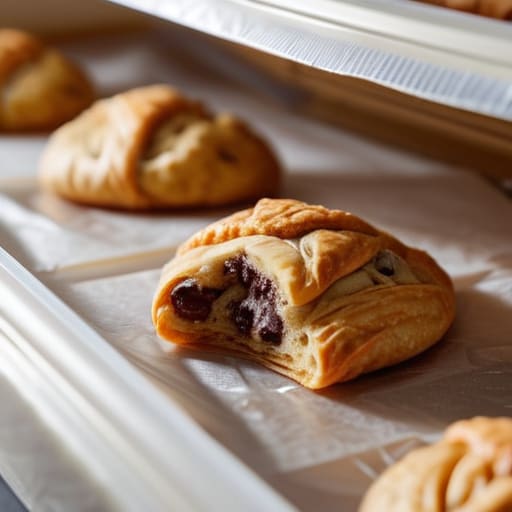
If you take a delicate pastry and just toss it in a plastic bag, you’re asking for trouble. The freezer is a thirsty thing; it will pull the moisture right out of your crumb until you’re left with something that feels more like a sponge than a treat. To succeed at preventing freezer burn in pastries, you have to create a proper barrier. I always tell my apprentices to wrap things twice: first in parchment to keep the surface from sticking, and then a tight layer of plastic wrap to keep the air out. If you’re storing homemade cookies long term, don’t be stingy with the wrap. You want them vacuum-sealed as much as your hands will allow before they go into a heavy-duty freezer bag.
Once they are tucked away, treat them with respect. I’ve seen people pull a frozen muffin out and leave it on the counter for hours, only to find it’s gone gummy. The secret to thawing frozen muffins correctly is a bit of patience and a little bit of controlled warmth. Let them come up to room temperature slowly, then give them a very brief, gentle nudge in a warm oven to wake up the fats. It’s about mimicking the life they had when they first left my oven.
Airtight Container Storage for Baked Goods and Long Term Peace
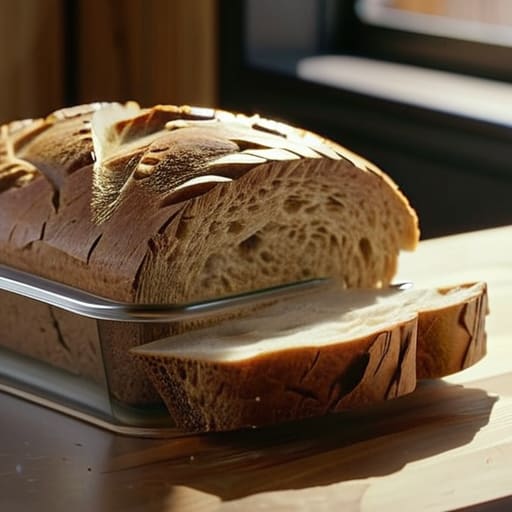
If you think a simple plastic bag is enough to protect your hard work, you’re asking for trouble. Air is the enemy of everything I’ve ever pulled out of an oven. When you’re looking at airtight container storage for baked goods, don’t just grab the first Tupperware you see. You want something with a heavy seal—the kind that actually makes a sound when it clicks shut. If there is even a sliver of air dancing around your muffins or loaves, that air will find the moisture in your crumb and steal it, leaving you with something that feels more like a sponge than a treat.
For the things you want to keep for more than a week, I suggest a double defense. Wrap your items tightly in parchment or beeswax wrap first, then nestle them into a heavy-duty container. This is especially true when you’re storing homemade cookies long term; you want them to stay snappy, not turn into stale discs of sadness. I’ve seen too many people rush the process, only to realize they’ve frozen the very soul out of their bake. Take the time to seal it right, and you’ll thank yourself when you finally pull that treasure out of the frost.
Five Rules for Keeping the Life in Your Loaves

- Freeze when the steam stops. I’ve seen too many people try to wrap a loaf while it’s still breathing, and that little bit of leftover warmth turns into condensation in the freezer, which turns into a soggy, sad mess once you thaw it. Let it reach room temperature completely—I mean completely—before it goes anywhere near the ice.
- The double-wrap method is your best friend. A single layer of plastic wrap is a suggestion, not a barrier. Wrap your bread or pastries tightly in parchment first to absorb any stray moisture, then follow it up with a heavy-duty freezer bag. If air can get in, the freezer will steal the soul right out of your crust.
- Don’t thaw, just heat. If you’re dealing with a crusty sourdough or a hearty rye, don’t let it sit on the counter to defrost like a piece of meat. It’ll just get gummy. Take it straight from the frost into a 175°C oven for ten minutes. It wakes the starch back up and gives you that crunch you actually paid for.
- Respect the pastry’s fragility. If you’re freezing something delicate, like a shortcrust or a puff pastry, don’t compress it. I always freeze my smaller bakes on a tray first to set them before I bag them up. If you toss them into a bag while they’re soft, you’ll end up with a heap of crumbs instead of a beautiful pastry.
- Use your nose, not a calendar. Even in the freezer, things change. If you open a bag and it smells like the frost or something else in there, don’t bother trying to save it with heat. A good bake should smell like toasted grain and yeast, even after a month in the cold. If the scent is gone, the magic is gone too.
The Baker's Three Rules for Reclaiming Your Loaf
Never freeze a loaf that’s still breathing; let it cool completely on a wire rack first, or that trapped steam will turn your crust into a wet, gummy mess the moment it hits the ice.
Forget the idea of “reheating”—you are reviving. A quick, hot blast in a preheated oven is what brings the life back to the crumb, whereas a microwave will only leave you with something that feels like a sponge.
Treat your freezer like a pantry, not a graveyard; wrap things tightly in parchment before they hit the plastic, and if you see ice crystals forming, your seal has failed and your bread is losing its soul.
The Baker's Final Word

At the end of the day, freezing your bakes isn’t about being lazy; it’s about being sensible with the work you’ve already put in. We’ve talked about the importance of moisture—using those airtight containers to keep the air from stealing your bread’s soul—and how to wrap your pastries tight enough to ward off the freezer burn that turns a good croissant into a piece of cardboard. Remember, it isn’t just about the storage, but the recovery. If you treat the dough with respect during the freeze and give it a proper, warm homecoming in the oven, you aren’t just reheating leftovers; you are reclaiming the craft you poured into that kitchen hours or even days before.
I spent three decades watching dough rise in the dark of a four a.m. kitchen, and if there is one thing I learned, it is that time is a tool, not an enemy. Whether you are freezing a loaf for a Tuesday morning or tucking away a batch of muffins for a rainy afternoon, don’t let the fear of “not fresh” stop you from baking in abundance. Baking should feel like a gift to your future self, not a race against a ticking clock. Trust your hands, respect the temperature, and remember that a little bit of patience and a hot oven can make almost anything feel like it was pulled from the rack just moments ago.
Frequently Asked Questions
If I freeze my dough before it's even baked, will I lose that airy, open crumb I'm working so hard for?
Not if you treat the dough with respect. If you freeze a high-hydration dough—say, 75% or higher—you have to be careful about the ice crystals shredding those delicate gluten structures. Don’t just shove a bowl in the freezer; portion it, shape it loosely, and freeze it fast. Once it thaws, give it a gentle, patient warm-up. If you rush the thaw or handle it roughly, you’ll crush the air. Patience wins again.
My kitchen is always a bit drafty—does the temperature of the room change how I should thaw my frozen loaves?
It absolutely does. If your kitchen is drafty, you can’t just leave a loaf on the counter and expect it to behave. Cold air pulls the moisture right out of the crust before the middle even thinks about softening, leaving you with something that feels like a stone. In a chilly room, thaw your bread in a warm spot—even a turned-off oven works wonders—to ensure the moisture redistributes evenly instead of evaporating into the draft.
Can I really revive a crusty sourdough that's been sitting in the freezer for a month, or is it a lost cause?
Oh, don’t you dare toss it. A month in the freezer is nothing if you’ve wrapped it properly. It isn’t a lost cause; it’s just sleeping. Slice it thick, pop it in a hot oven for ten minutes, and you’ll find that crust is still there, waiting. If it feels a bit tough, it’s likely just lost its soul to the air—a quick spray of water before it hits the heat will bring it right back.