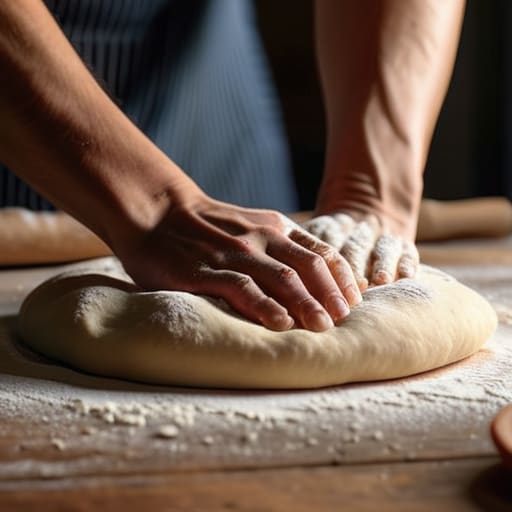
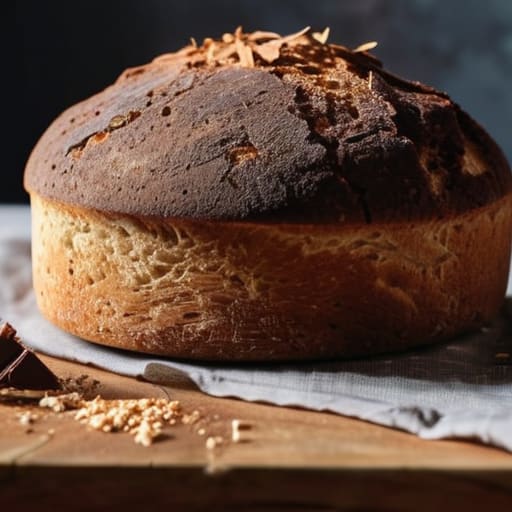
I remember a Tuesday in mid-August, back when I was still pulling loaves out of the oven at four in the morning, when a batch of my signature sourdough simply refused to hold its shape. I had followed my weights to the gram, but the air in the kitchen was so thick and heavy you could almost chew it. That’s when it hit me—again—that no matter how precise your scale is, you cannot ignore how humidity changes dough right under your very nose. You can stare at a recipe until your eyes ache, but if the air is drinking the moisture right out of your flour, those numbers on the page are nothing but empty promises.
I’m not here to sell you a fancy hygrometer or a climate-controlled proofing box that costs more than my first car. What I want to do is teach you how to actually listen to the flour. I’ll show you how to adjust your hydration on the fly by the feel of the dough against your palms, rather than clinging to a static number. We are going to talk about reading the tension and knowing when to add a splash more water or a dusting of flour, because once you understand the atmosphere, you stop fighting the bread and start baking with it.
Flour Absorption Rates and Humidity Why Your Weights Are Shifting
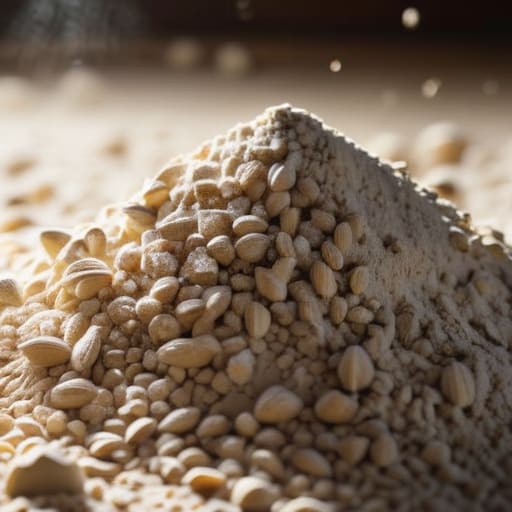
You have to understand that flour isn’t just a dry powder sitting in a bin; it is a living, thirsty thing. Even in a sealed bag, it’s constantly negotiating with the air around it. When we talk about flour absorption rates and humidity, we are really talking about how much “room” that flour has left to drink. On a bone-dry winter morning, your flour might be parched, practically begging for every gram of water you offer. But when the air is thick and heavy, that flour has already taken its fill from the room. If you follow a recipe’s water weight to the letter during these times, you’ll likely end up with a soup that refuses to hold a shape.
I never trust a static number when the weather turns foul. Instead of blindly following a scale, I look at the ambient moisture and dough consistency as I mix. If the air is damp, I start with slightly less water than the math suggests. You aren’t just mixing ingredients; you are managing a delicate balance. If the dough feels slack or overly sticky under your hands, don’t panic and dump in more flour—that’s how you end up with a dense, lifeless brick. Just wait, feel the tension, and adjust.
Ambient Moisture and Dough Consistency the Lie of the Static Recipe
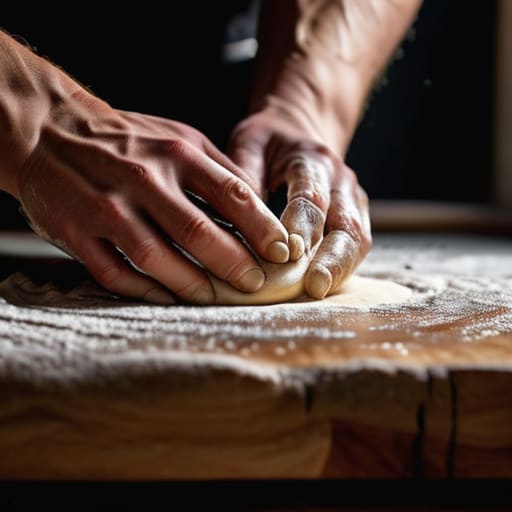
You’ll see a recipe written down with a precise amount of water, but that recipe is a snapshot of a single moment in time, not a universal law. When you are baking in high humidity environments, that static number becomes a bit of a fantasy. On a day when the air feels heavy and clings to your skin, your flour has already been busy drinking from the room before you’ve even reached for the scale. If you follow that recipe to the gram without looking at the bowl, you’re going to end up with a slack, sticky mess that refuses to hold its shape.
I’ve learned that you have to treat the water as a suggestion rather than a command. Instead of dumping the full amount in at once, hold back about five percent of your total liquid. Watch how the flour behaves; if it feels like it’s struggling to pull the moisture in, add the rest. It’s all about controlling dough hydration levels through your senses rather than your eyes. If the dough feels more like a thick porridge than a cohesive mass, stop adding water immediately. You aren’t just mixing ingredients; you’re managing a living thing that reacts to the very air around it.
Five Ways to Stop Fighting the Air and Start Working With It
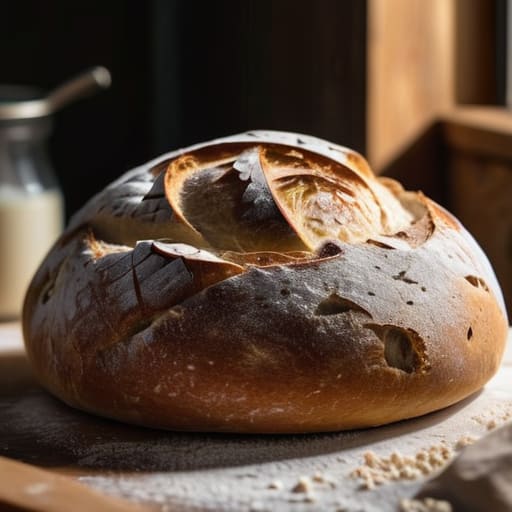
- Stop treating your water weight like a law and start treating it like a suggestion. If the air is thick enough to make your hair curl, your flour is already holding onto a drink; hold back about 3% to 5% of your total water and only add it once you’ve felt the dough’s temperament.
- Watch your bulk fermentation like a hawk when the humidity climbs. Moist air acts like a warm blanket for yeast, and a dough that usually takes four hours might decide it’s finished in two and a half; don’t let the clock dictate the rise, let the bubbles and the scent tell you when it’s ready.
- Keep your flour bins tightly sealed, for heaven’s sake. If you leave your bags open on the counter, they’ll soak up the kitchen’s moisture before you even start your scale, and you’ll find yourself chasing a hydration percentage that keeps moving under your fingers.
- Adjust your shaping tension to compensate for the stickiness. In high humidity, the dough wants to be lazy and slack; you’ll need to work a bit more surface tension into your boules to ensure they stand tall rather than spreading out like a puddle on the tray.
- Mind the skin on your dough during the final proof. If the air is dry, it’ll crack; if it’s heavy and damp, the dough can become tacky and difficult to score. Use a damp cloth or a proofing basket to create a micro-climate that keeps the surface supple enough for a clean cut.
The Baker’s Rule of Thumb for Humid Days
Stop treating your water weight like a law; if the air is thick and heavy, hold back about 3-5% of your total hydration and add it back only once you’ve felt the dough’s tension with your own hands.
Watch your flour, not just your scale; on damp days, even the best flour acts like a sponge, so if your dough feels more like a slack puddle than a cohesive mass, you haven’t failed the recipe, you’ve just encountered a thirsty environment.
Trust the feel of the dough over the numbers on the page; a recipe is just a starting map, but the true guide is the way the dough resists your palm or clings to your fingers as it develops.
Trust Your Hands, Not the Forecast
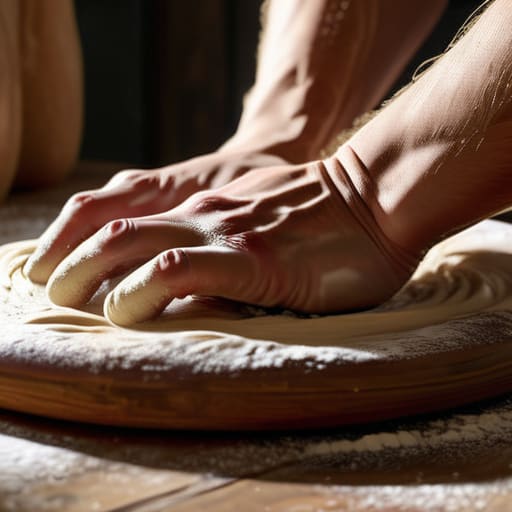
At the end of the day, you have to stop treating your recipe like a holy text and start treating it like a conversation. We’ve talked about why your flour is drinking more than usual on a muggy Tuesday and why that 75% hydration might feel more like 80% when the air is thick enough to chew. Remember, the weights on your scale are just a starting point; the real work happens in the sensory feedback between your skin and the dough. If the humidity is climbing, don’t be afraid to hold back a splash of water or add a dusting of flour to find that sweet spot where the dough has tension without being stubborn.
I know it feels daunting to step away from the rigid safety of a printed list of measurements, but that is exactly where the magic lives. Baking isn’t a math problem to be solved; it is a living, breathing process that responds to the world around it. When you stop fighting the weather and start listening to what the dough is telling you, you stop being a person following instructions and start being a baker. So, let the humidity shift, let the temperature swing, and just keep your hands in the dough. That is where you will truly learn to bake.
Frequently Asked Questions
If my dough feels too slack because of a damp day, should I add more flour or just let it sit longer?
Don’t go reaching for the flour bag just yet. Adding more flour mid-stream is the quickest way to throw your hydration out of whack and end up with a dense, heavy brick. If it feels slack, it’s likely just the moisture in the air making the gluten a bit lazy. Give it time. Let it sit in a slightly cooler spot to strengthen, or try a few more folds to build that tension back up. Trust the dough, not your panic.
How can I tell if my sourdough starter is struggling because of the humidity or if it's just being temperamental?
If your starter looks sluggish, look at the surface, not just the bubbles. High humidity often leaves a sticky, weeping film on top—it’s drowning, not dying. If it’s just being temperamental, you’ll see a dry, crusty skin forming. If the air is heavy, drop your hydration by 3% or 5% in your next feeding. Don’t chase the clock; if it smells sour but lacks lift, it’s likely just the atmosphere holding it back.
Is there a way to adjust my hydration percentage ahead of time if I know a storm is rolling in?
You can’t pre-calculate the storm, but you can prepare your mind. If you know the air is about to turn thick and heavy, aim for a lower hydration than your usual baseline—perhaps 3% to 5% less. If you normally bake at 75% hydration, plan for 70%. But don’t be rigid. Once that flour meets the water, let your hands be the final judge. If it feels slack and soupy, hold back a splash of water.