I spent thirty-four years watching people throw money at “professional grade” gadgets, only to come to my counter crying because their sponge was a dense, gummy mess. They’d swear the recipe was cursed, but I could see the truth from across the flour-dusted counter: they were trying to bake delicate batters in thin, flimsy tins that couldn’t hold a lick of steady heat. Most people don’t realize how baking tins affect results until they’re staring at a sunken center or a crust that’s burnt on the bottom while the middle stays raw. It isn’t magic, and it certainly isn’t a bad recipe; it’s simply a failure of heat distribution.
I’m not here to sell you a designer set of copper pans or tell you that you need a kitchen full of specialized gear to get a decent rise. I want to tell you what actually happens when that dough meets the metal. We’re going to talk about the difference between heavy-gauge steel and those cheap, light-weight tins that lose temperature the second you open the oven door. I’ll show you how to choose the right tool for the job so you can stop blaming your measurements and start trusting your oven again.
The Truth About Heat Conductivity in Bakeware
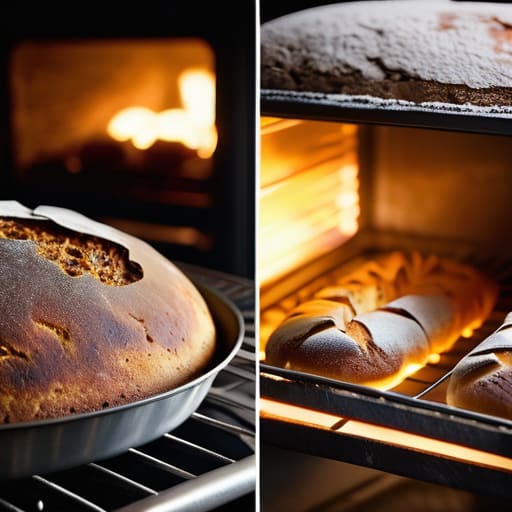
You need to understand that your oven isn’t just a box of hot air; it’s a tool that relies entirely on how your tin moves that energy into the dough. When we talk about heat conductivity in bakeware, we aren’t just being academic. If you use a heavy, professional-grade steel tin, the heat hits the dough with a sudden, decisive punch. This is what gives you that glorious, thick crust and a quick spring in the oven. But if you’re using a thin, flimsy tin from a supermarket, the heat is hesitant. It creeps in too slowly, and by the time the center is cooked, your edges are already drying out into something resembling a biscuit rather than a loaf.
This is where the debate over dark vs light baking pans actually matters. A dark pan is a heat sponge; it absorbs radiation so aggressively that it can scorch the bottom of a cake before the middle has even begun to set. If you’re working with a high-hydration dough that needs a gentle, steady rise, a light-colored aluminum tin is your best friend. It doesn’t try to do too much too fast, allowing for a more even heat distribution that lets the crumb develop properly without the exterior turning into a burnt shell.
Dark vs Light Baking Pans the Battle for Crust
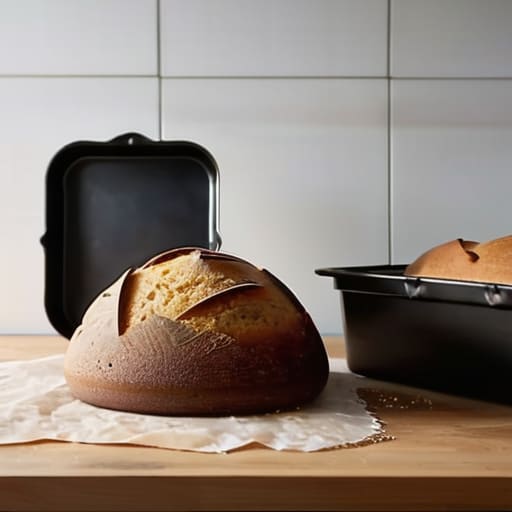
Now, if you’ve ever pulled a tray out of the oven only to find the bottom of your loaf looks like it’s been sitting too long in a coal cellar, you’ve likely fallen victim to the dark vs light baking pans debate. It isn’t a matter of luck; it’s physics. Dark pans, especially those heavy carbon steel ones, are absolute heat sponges. They absorb energy rapidly, which is wonderful if you want a thick, crunchy, almost caramelized crust, but a disaster if you’re trying to bake a delicate sponge or a high-hydration dough that needs time to spring before the skin sets.
If you find your edges are burning while the center is still gummy, you aren’t a bad baker—you’re just using the wrong tool for the job. For most of my daily bakes, I lean toward light-colored aluminum. It offers much more even heat distribution in baking because it doesn’t rush the process. It lets the heat soak into the dough gradually, giving the bread a chance to rise fully before the crust hardens. If you must use dark tins, just remember to drop your oven temperature by about ten or fifteen degrees.
Five Ways Your Gear is Sabotaging Your Dough
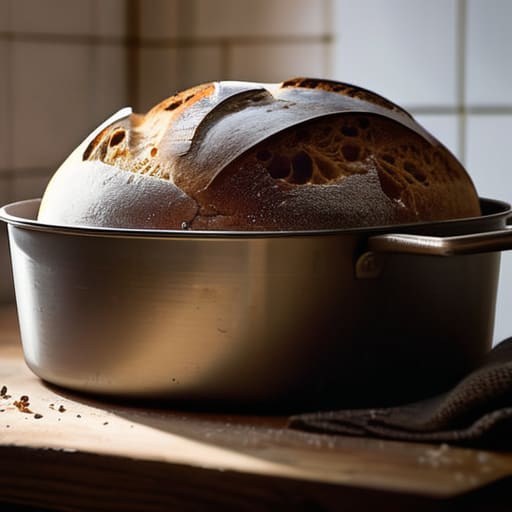
- Stop using those flimsy, thin-walled tins you bought at a discount shop; they lose heat the second they touch a cold dough, meaning your bread spends its first ten minutes in a lukewarm bath instead of getting that crucial initial spring.
- If you’re chasing a soft, pale sponge, get away from the dark metal and move toward light-colored aluminum, because those dark pans soak up radiation like a sponge and will burn the edges of your cake before the middle has even thought about setting.
- Watch your temperature swings when switching between pans; if you move from a heavy cast iron to a thin tin, you have to adjust your oven’s temperament, or you’ll find yourself fighting a losing battle against a crust that’s too thick or a crumb that’s too gummy.
- Don’t trust a recipe that doesn’t account for your specific pan’s thermal mass; a heavy steel tin holds onto heat far longer than a glass dish, so if you aren’t prepared to pull your bake out a few minutes early, you’re going to end up with something more akin to a brick than a loaf.
- Check the flatness of your tins with a straight edge; if the bottom is even slightly warped from years of being shoved in and out of the oven, your heat distribution will be uneven, and no amount of perfect hydration or careful folding will save you from a lopsided bake.
The Baker's Cheat Sheet for Choosing Your Tin
If you’re aiming for a pale, soft crumb with a gentle crust, stick to light-colored aluminum; if you want a dark, thick, caramelized crust that shatters when you bite it, reach for the dark steel or heavy non-stick.
Forget the fancy patterns on the bottom of a tin; what matters is the weight and the metal—thin, flimsy pans steal the heat away from your dough before it can do its work, leaving you with a gummy center and a sad, pale exterior.
Don’t treat your tins as “set and forget”—if you switch from a light tin to a dark one, you must drop your oven temperature by about 10 to 15 degrees Celsius, or you’ll find yourself burning the outside while the middle is still raw dough.
Choosing Your Tools
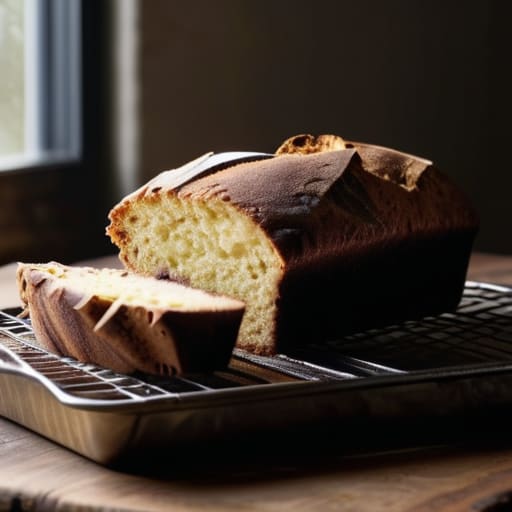
At the end of the day, stop looking for a magic recipe to fix a crust that is either too pale or burnt to a cinder. If you want that deep, mahogany crunch, reach for the dark steel and stop worrying about the extra minute or two you’ll need to adjust your timing. If you’re aiming for a soft, golden sponge that rises tall without a bitter edge, stick to the light aluminium. It isn’t about having the most expensive set of pans in the cupboard; it is about understanding how heat moves through the metal you’ve chosen. Once you stop fighting your equipment and start working with its natural conductivity, you stop guessing and start baking with intention.
I spent decades staring at ovens, watching dough transform, and I can tell you that the most important tool isn’t actually the tin—it’s your own observation. Don’t be afraid to pull a loaf out a few minutes early if the tin feels like it’s holding too much heat, or to let a cake sit a little longer if the light metal isn’t doing its job. Baking is a conversation between the ingredients, the heat, and your hands. Trust your senses more than a timer, and remember that every little mistake is just a lesson in how temperature works. Now, get your hands in some flour and go see what happens.
Frequently Asked Questions
If I’m using a heavy-duty cast iron pan, do I need to lower my oven temperature to stop the bottom from burning before the middle is set?
No, don’t touch that dial. If you lower the temperature, you’re just inviting a gummy, underbaked center to move in and stay. Cast iron is a heat sponge; it holds onto energy far longer than a thin tin. Instead of fighting the heat, manage the timing. If you’re worried about a scorched base, move your rack up a notch. Let the heat do its job—it’s the thermal mass that builds the structure.
My dough always seems to stick to the sides of my old aluminum tins; is that a problem with the pan's surface or am I just not handling the dough right?
It’s likely a bit of both. Old aluminum loses its “tooth,” and if those pans have been through a thousand washes, the surface is probably more porous than it used to be. But don’t go blaming the metal just yet. If your dough is sticking, it’s often because it’s too wet or you’re being too gentle with the greasing. A proper coating of fat—and a dusting of flour—is non-negotiable, no matter how much you trust your pan.
Is there any real difference in the crumb structure if I switch from a loose springform pan to a solid tin, or is that just for aesthetics?
It’s far more than just aesthetics; it’s about how the batter breathes. A springform pan has a seam that lets heat seep in unevenly, often causing the edges to set too fast while the center struggles to catch up. If you switch to a solid tin, you’re trapping that heat more effectively. You’ll likely find a more consistent, even rise and a crumb that isn’t as prone to that sunken middle.