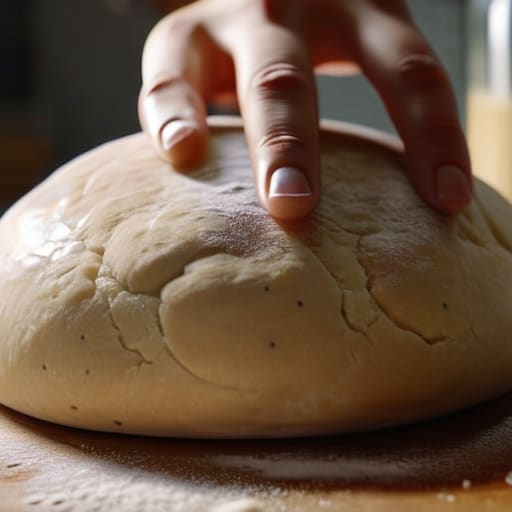
I spent thirty-four years standing before a wood-fired beast that had more temperament than a moody teenager, and if there is one thing I learned, it’s that you don’t need a kitchen full of flashing digital screens to make a decent boule. Most people will try to sell you a dream wrapped in stainless steel, promising that a thousand-dollar smart oven is the magic wand for your crust, but that is a lie. A complete guide to ovens for baking shouldn’t be about which gadget has the most buttons; it should be about understanding how heat actually moves through a space. If your oven can’t hold its temperature steady while you’re busy kneading, all those expensive features are just expensive decorations for a failed loaf.
I’m not here to help you shop for a status symbol; I’m here to help you find a tool that respects your dough. I will tell you exactly what to look for in terms of heat distribution, steam retention, and thermal mass, stripped of all the marketing nonsense. We are going to look at how different heat sources affect your crumb and your crust, because once you understand the physics of the bake, you can make magic in almost anything.
Understanding Oven Heat Distribution and the Truth of Airflow
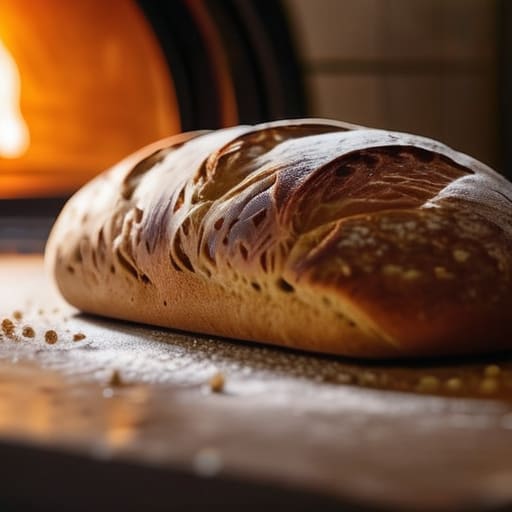
You can have the most expensive piece of steel in the kitchen, but if the heat doesn’t move, you’re just sitting in a box of hot air. Most people think an oven is a single, uniform temperature, but that’s a lie. In my bakery, we knew that the heat near the floor was different from the heat near the ceiling, and your home oven is no different. When you’re understanding oven heat distribution, you have to realize that “375 degrees” is often just an average, not a reality. If your oven has dead spots, one side of your sourdough will be a scorched landscape while the other remains pale and gummy.
This is where the debate of convection vs conventional oven actually matters for your sanity. A conventional oven relies on the natural rise of heat, which is lovely for delicate sponges that need a steady, gentle environment. But if you’re looking for that crisp, professional crust on a boule, you need the active movement of a convection fan to sweep that heat around. Without proper airflow, you’re fighting a losing battle against uneven baking, and no amount of technique can save a loaf that was cooked in a pocket of cold air.
Convection vs Conventional Oven Choosing Your Silent Partner
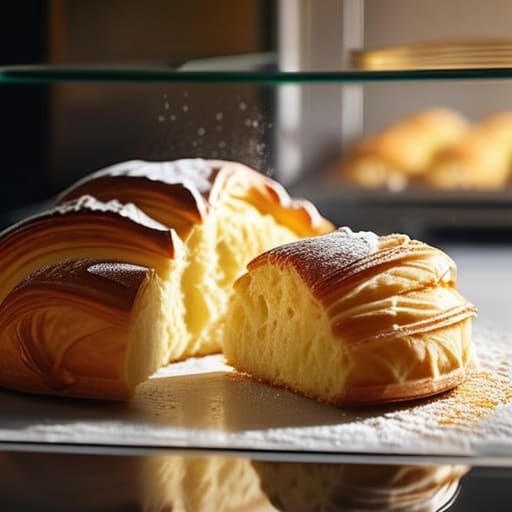
Now, you’ll hear folks argue about convection vs conventional oven setups like they’re debating theology, but it’s really just about how you intend to treat your dough. A conventional oven is a quiet, steady thing; it relies on the natural rise of heat, which is lovely for a slow-moving sponge or a delicate cake that doesn’t want to be bullied by a breeze. But if you’re looking for the best oven types for pastry—the kind of laminated dough that needs a sharp, immediate hit of heat to lift those layers—a convection oven is your best friend. That little fan is essentially a way of ensuring the heat doesn’t just sit in stagnant pockets, which is the primary culprit when it comes to preventing uneven baking.
The catch with convection, though, is that it’s a bit of a cheat. Because that moving air transfers heat so much more efficiently, your usual settings will lie to you. If you don’t adjust your expectations, you’ll find your crusts browning long before the center has even woken up. It isn’t about the machine being “better,” it’s about knowing whether you want a gentle soak of warmth or a vigorous, circulating embrace.
Five Hard Truths About Managing Your Heat
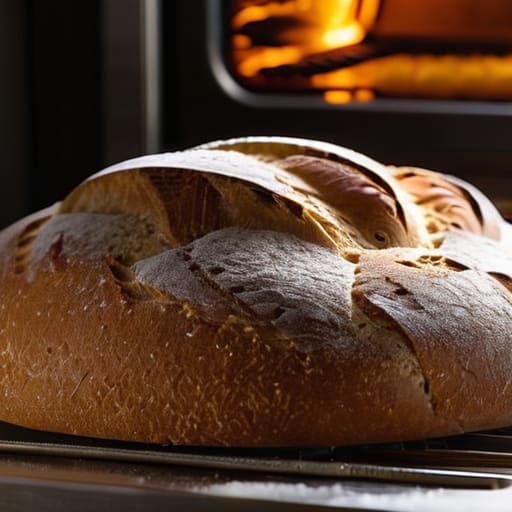
- Stop trusting the dial blindly. Most ovens are lying to you, claiming they’ve hit 220°C when the air inside is still shivering at 200°C. Buy a cheap standalone thermometer to sit on the rack; if you don’t know the actual temperature, you aren’t baking, you’re just guessing.
- The importance of thermal mass cannot be overstated. If you’re using a flimsy, thin-walled oven, your temperature will plummet the second you open the door to slide in your shaped loaves. A heavy baking stone or a thick cast-iron Dutch oven acts like a battery, holding onto that heat so the dough gets the thermal shock it needs to spring.
- Watch your placement, but don’t get precious about it. The middle rack is usually the safest bet for even airflow, but if you find your bottoms are scorching while your crusts stay pale, you need to move things up. Just remember: once you move a tray, you’ve interrupted the heat, so do it quickly and with purpose.
- Learn the rhythm of your oven’s recovery time. If you’re baking a batch of sourdough, your oven needs time to “reset” between loaves. Don’t just shove the next piece in immediately; give the heating element a few minutes to bring the ambient temperature back up to where it belongs.
- Steam is your best friend, but it’s a fickle one. Whether you’re using a tray of water or a heavy lid, you need to introduce moisture early in the bake to keep that crust supple while the bread expands. If your oven is too dry, the crust sets too fast, and you’ll end up with a dense, stunted loaf instead of a proud, airy one.
What to Remember Before You Turn the Dial
Don’t trust the number on your oven’s display blindly; every oven has its own temperament, so get a reliable thermometer to ensure the heat you think you’re giving your dough is the heat it’s actually feeling.
Understand that convection is a tool, not a magic wand—it’s wonderful for crisping a crust, but if you aren’t careful with the airflow, it can dry out a delicate sponge before it even has a chance to rise.
An oven’s primary job is to hold its heat steady, because a loaf that’s been nurtured through a long ferment deserves a stable environment, not a temperature that swings like a pendulum every time you open the door.
Choosing Your Partner in the Kitchen
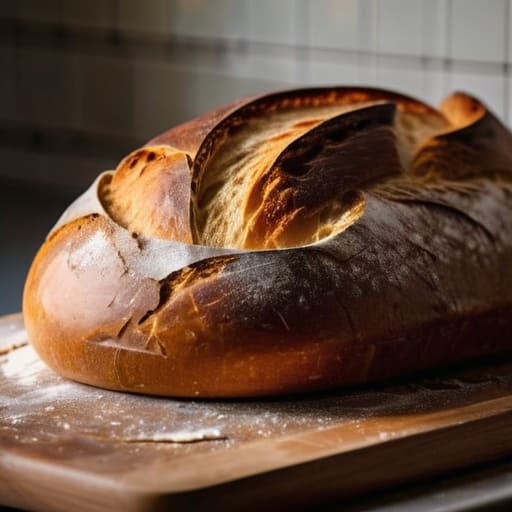
At the end of the day, choosing an oven isn’t about finding the one with the most buttons or the fanciest digital display; it’s about finding a machine that respects the work you’ve already put in. We’ve talked about why a steady airflow matters and why you need to know if you’re working with the aggressive heat of convection or the gentle, even warmth of a conventional model. If your oven can’t hold its temperature when you open the door, or if it creates hot spots that scorch a crust before the center has even begun to spring, then it isn’t a tool—it’s an obstacle. You need an oven that acts as a reliable extension of your own hands, providing a stable environment where your dough can actually do what it was meant to do.
Don’t let the technical jargon or the high price tags intimidate you into thinking you need a professional deck oven to bake something meaningful. Whether you are working with a small toaster oven or a heavy-duty range, remember that the oven is merely the stage; you are the performer. Even with the most expensive equipment, a loaf will still fail if you rush the fermentation or ignore the feel of the dough. Invest in quality where it counts—in heat stability and even distribution—but never forget that the soul of the bread comes from your patience and your willingness to listen to the flour and the water. Now, stop reading and go get your hands floury.
Frequently Asked Questions
If my oven is a bit temperamental and has hot spots, can I fix that with a baking stone or do I just need a new machine?
Don’t go throwing out a perfectly good machine just yet. A baking stone or a thick cordierite slab acts like a thermal battery; it soaks up that uneven heat and spreads it around, smoothing out those angry hot spots. It won’t turn a temperamental oven into a professional deck oven, but it’ll certainly stop your crusts from burning on one side while the middle stays doughy. Try the stone first—it’s much cheaper than a new oven.
How do I know if my oven is actually at the temperature the dial says it is, or if I'm just guessing?
If you’re trusting the little dial on your oven, you’re playing a dangerous game with your crust. Those dials are suggestions, not promises. I never start a bake without an independent oven thermometer sitting right on the rack. It’s a cheap bit of metal, but it’s the only way to know if you’re actually at 230°C or if your oven is lying to you. Don’t guess; the dough can tell when you’re wrong.
Is it worth the extra money to get a high-end steam-injection oven, or can I get the same crust results with a simple tray of water?
Listen, if you’re baking a single loaf on a Sunday, a tray of water and some ice cubes will do the job well enough. But if you’re serious about a consistent, glass-like crust, steam injection is worth every penny. A tray of water is a gamble; it’s uneven and the steam dissipates before the oven even recovers its heat. Professional steam is immediate, precise, and gives the dough the room it needs to expand before the crust sets.