I spent thirty-four years watching people walk into my shop, clutching expensive, branded bags of “specialty” grain as if the label alone could coax a decent rise out of a dough. They’d come in asking for a complete guide to flour that involved buying every niche, imported mill they saw on social media, never realizing that most of them were just throwing money at a problem that actually required understanding protein and absorption. I remember a young man once who spent a fortune on organic stone-ground rye, only to produce a brick because he didn’t realize how much more water that specific grind was screaming for. He was looking for a magic ingredient, but he should have been looking at the grain’s soul.
I’m not here to sell you a lifestyle or a fancy pantry aesthetic; I’m here to tell you how these powders actually behave when they hit water. This isn’t going to be some glossy, theoretical lecture. Instead, I’m giving you the truth about strength, ash content, and why your hydration levels are failing you. By the time we’re done, you won’t need a prestigious label to bake a masterpiece—you’ll just need to know exactly which flour is fighting you and why.
Measuring Flour by Weight vs Volume Why Cups Lie
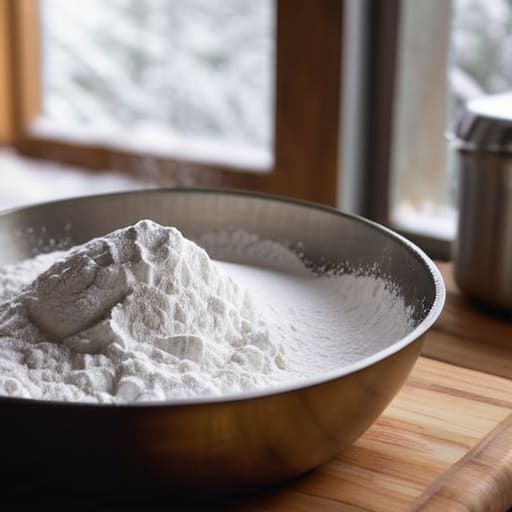
If you come into my kitchen and reach for a measuring cup, we are going to have a problem. I’ve seen too many beginners walk away from a heavy, dense loaf thinking their recipe was a dud, when in reality, they simply packed an extra fifty grams of flour into a plastic cup by accident. When you are measuring flour by weight vs volume, you aren’t just choosing a method; you are choosing whether or not you actually know what is happening inside your bowl. A cup of flour can weigh anywhere from 120 to 160 grams depending on how tightly you’ve scooped it, and in a delicate dough, that margin of error is the difference between a soft crumb and a brick.
I don’t care how pretty the cookbook looks; gravity doesn’t lie, but cups do. When I work with a high-protein bread flour, I need to know exactly how much starch and protein I’m feeding the yeast. If you’re trying to manage the hydration of a dough, you cannot do it with guesswork. You have to respect the scale. Once you start thinking in grams, you’ll finally understand why your dough feels too stiff or too slack, and you’ll stop blaming the flour for your own inconsistent hands.
The Flour Milling Process Explained From Grain to Soul
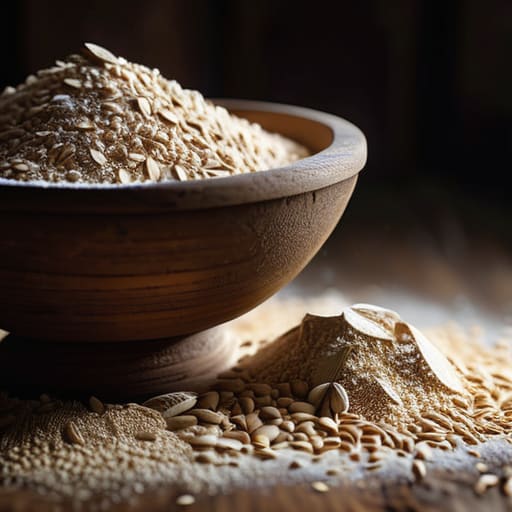
You can’t truly understand what’s happening in your mixing bowl if you treat flour like a static, lifeless powder. It’s a living thing, shaped by the mill. When we talk about the flour milling process explained, we aren’t just talking about crushing seeds; we are talking about the separation of the soul from the husk. In a commercial mill, they strip away the bran and the germ to give you that pristine, white, easy-to-handle powder. It’s consistent, yes, but it’s also stripped of the very character that makes a loaf sing.
When you start baking with whole wheat flour, you are essentially inviting the entire grain to the party—the oils, the fiber, and the grit of the bran. This changes everything. The bran acts like tiny little razor blades, cutting through those delicate gluten strands you’ve worked so hard to build. That is why a whole wheat loaf feels heavier and tighter than a white one; it isn’t a failure of your technique, it’s simply the physics of the grain. Understanding that distinction is the difference between fighting your dough and working with it.
Five Truths to Hold When You’re Reaching for the Bag
- Stop looking at the protein percentage on the bag like it’s a magic spell. A 12% protein flour is just a tool, and if your kitchen is drafty and cold, that high protein is going to feel like wrestling a stubborn mule. You have to adjust your water to match the flour’s thirst, not just follow the numbers on a printed page.
- Never, and I mean never, use flour that’s been sitting in a damp pantry. Flour is a sponge for everything around it—smells, moisture, even the humidity in the air. If your flour has lost its crispness, your dough will feel sluggish and lifeless, and no amount of extra kneading will bring that vitality back.
- Learn the “feel” of your hydration. If you’re working with a 75% hydration dough and it feels like a sticky, unmanageable mess, don’t just dump in more flour. Your hands might be too warm, or you might be rushing the autolyse. Give it ten minutes to settle before you start treating it like an enemy.
- Sift your flour if you’re making a delicate cake, but don’t bother with it for a rustic sourdough. In my bakery, we let the grain be what it is. If you’re building structure, you want those particles to bond; if you’re making a sponge, you want air. Know which one you’re fighting for before you start.
- Temperature is the silent partner in every bag of flour. If you’ve just pulled a bag of flour out of a cold cupboard, it’s going to sap the heat right out of your water. Always check your dough temperature; if the flour is cold, your fermentation will stall, and you’ll be left waiting for a rise that isn’t coming.
What to Carry Away From the Flour Bin
Throw your measuring cups in the back of the drawer; if you aren’t weighing your flour in grams, you aren’t baking, you’re just guessing, and your hydration percentages will never be consistent.
Stop looking at the flour as a static ingredient and start seeing it as a living thing that changes with the humidity in your kitchen and the way you handle it.
Understand that the mill does more than just grind grain—it determines the strength and the soul of your loaf, so choose your protein content based on what you want the dough to do, not just what the bag says.
Beyond the Bag
We have covered a lot of ground, from the way the grain is crushed in the mill to the reason your scale is your most important tool. If you remember nothing else from this, remember that flour is not a static thing; it is a living variable. It changes with the humidity in your kitchen, the season it was harvested, and how much you trust your own hands. You now know that a cup of flour is a guess, whereas a weight is a promise. Stop looking for the perfect brand and start looking at how the flour reacts to the water you give it. Once you understand the relationship between the protein and the hydration, you stop following recipes blindly and start actually baking.
Don’t let the science of it all intimidate you into standing still. I spent thirty-four years watching dough rise, and I can tell you that even the most seasoned baker has days where the flour feels stubborn or the crumb comes out tight. That isn’t a failure; it’s a conversation. When a loaf doesn’t turn out the way you pictured it, don’t throw the flour away or blame the bag. Instead, listen to what the dough is telling you about the temperature or the strength of the grain. Baking is a slow dance of patience and intuition, and now that you know the weight of the ingredients, you are finally ready to find your own rhythm.
Frequently Asked Questions
If I'm using a bread flour with a high protein content, how much should I adjust my hydration percentage to keep the dough from feeling like a piece of rubber?
If you’re jumping into a high-protein bread flour, you’re essentially dealing with a thirstier dough. That extra protein wants to soak up every drop of moisture you give it. If your dough feels like a rubber ball, your hydration is too low for that specific grain. I’d suggest bumping your hydration up by about 3% to 5%. Don’t just look at the numbers, though; feel it. It should be tacky, not stiff.
Is there a real difference in the final crumb if I switch from a commercially milled all-purpose flour to something stone-ground, or is it just marketing?
It’s not just marketing, though the fancy labels certainly try to make it sound like magic. There is a massive difference in the crumb. Commercial flour is stripped, bleached, and milled so fine it’s almost predictable—it gives you a uniform, tight structure. Stone-ground flour keeps the bran and germ intact; those tiny, irregular particles act like little knives, cutting through your gluten network. You’ll get a more open, rustic, and unpredictable crumb. It’s harder to handle, but it has soul.
How can I tell if my flour has gone stale or lost its strength just by looking at it or feeling it, before I waste a whole batch of starter on it?
You can’t just look at flour; you have to listen to it with your hands. If it feels clumpy or damp, it’s already lost the battle to humidity. But the real tell is the smell. Fresh flour should smell faint and nutty, like a field in summer. If it smells musty, sour, or even slightly “old paper,” don’t bother. That’s oxidized flour, and it’ll have no strength to hold your dough up.