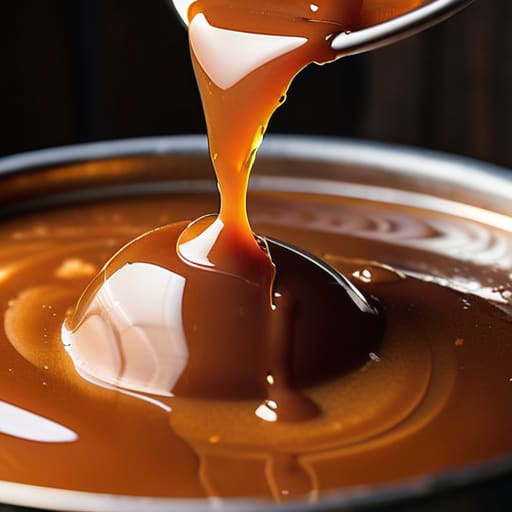
I remember a Tuesday morning back in ’88, long before my shoulders decided they’d had enough of the flour dust, when a pot of sugar decided to turn on me. I was twenty-six, rushing to meet a breakfast order, and I thought I could outsmart the heat by stirring too vigorously. One moment I was watching a pale syrup, and the next, a plume of acrid smoke filled the bakery and a glob of molten amber splashed against the stovetop like liquid lava. People talk about caramel as if it’s just a sweet topping, but if you don’t understand the physics of it, you’ll find out very quickly how to make caramel safely is less about following a timer and more about respecting the volatility of the sugar itself.
I’m not here to sell you some fancy, temperature-controlled gadget or a recipe that requires a degree in chemistry. I’m going to tell you how to watch the color, how to listen to the bubbles, and how to keep your skin intact when the sugar decides to behave badly. We are going to focus on the sensory cues—the way the scent shifts from vanilla to toasted nut—because that is where the real mastery lies. No fluff, no nonsense, just the honest truth about working with fire and sugar.
Candy Making Safety Precautions for the Disciplined Kitchen
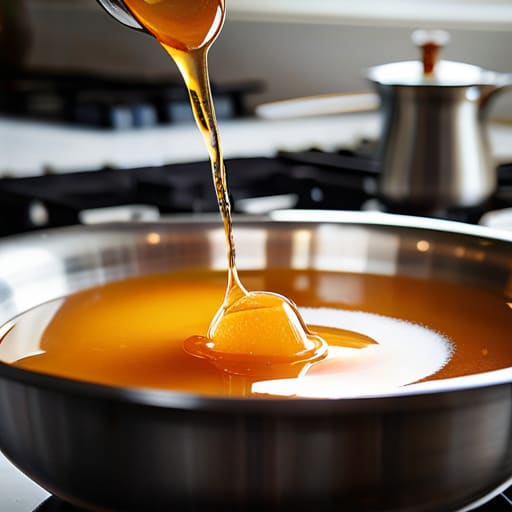
Before you even think about turning on the flame, clear your station. I’ve seen too many young ones try to whisk a spoon or reach for a bowl while the pot is still screaming on the heat; that is how accidents happen. You need a clear workspace and, more importantly, a bowl of ice water sitting right next to you. If you feel even a hint of a splash on your skin, you plunge it into that water immediately. Handling molten sugar safely isn’t about being brave; it’s about being prepared for the fact that liquid sugar sticks to skin like glue, and it will not let go until it has cooled.
Once you start, your focus must be absolute. If you are working with a sugar syrup temperature control, do not lean over the pot to peer in. The steam rising from that pan is often just as dangerous as the liquid itself. I always keep a heavy-bottomed pot on the burner to provide a steady, predictable heat, which helps in preventing sugar burns caused by sudden, violent temperature spikes. Treat the sugar with the same respect you’d give a hot stove—it’s a volatile guest in your kitchen, and it demands your full attention.
Handling Molten Sugar Safely Without Rushing the Heat
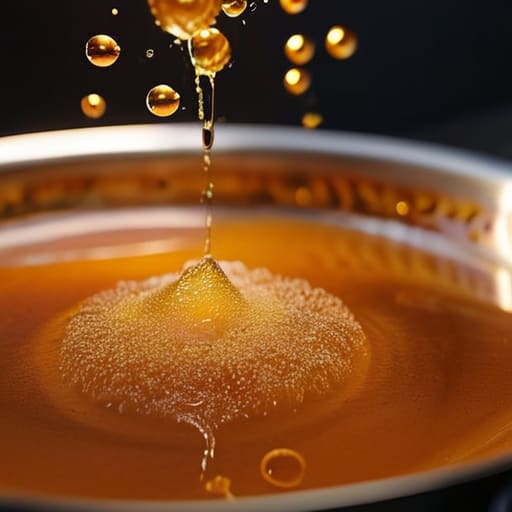
You cannot negotiate with molten sugar; you can only respect it. When you are working with a syrup that has climbed past the boiling point, it doesn’t just sit there—it holds onto heat with a vengeance. The biggest mistake I see is people trying to force the color by cranking the flame when the pan looks stagnant. That is how you end up with a bitter, scorched mess and a kitchen full of smoke. Instead, you must master sugar syrup temperature control by letting the heat do the work. If the pan is getting too dark too fast, lift it off the burner entirely. The residual heat in the heavy metal will keep the transformation moving without the sudden, violent spikes that lead to accidents.
If you find yourself needing to adjust the consistency, never, and I mean never, reach in with a spoon to stir a bubbling syrup. Even a tiny splash of moisture can cause a sudden, explosive boil that sends liquid fire upward. When you are handling molten sugar safely, your best friends are distance and patience. Use long-handled tools, keep your face back, and let the caramelization process unfold at its own steady pace. If you try to rush the heat, the sugar will always win the argument.
Five ways to keep your skin intact and your kitchen calm
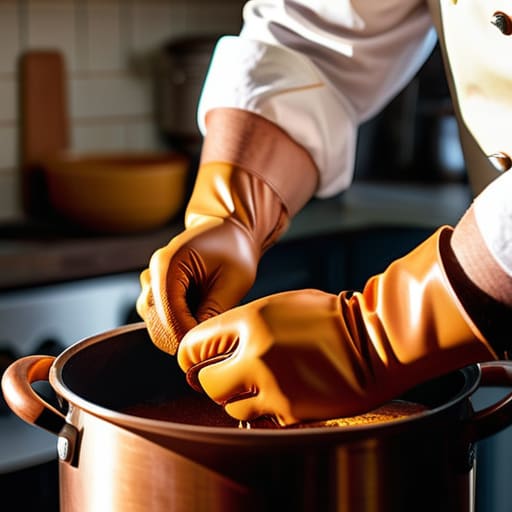
- Keep a bowl of ice water within arm’s reach at all times; if a stray drop of molten sugar hits your skin, you don’t have time to look for a remedy, you need to plunge that finger into the cold immediately to stop the burn.
- Never, and I mean never, attempt to stir a caramel with a wooden spoon once it starts to bubble; the heat is too intense and the sugar is too aggressive, so use a long-handled silicone spatula or, better yet, just let it sit and watch it do its work.
- Treat your workspace like a clean station in a busy bakery—clear away any stray tea towels, loose parchment, or cluttered utensils before you even turn on the flame, because when sugar starts to darken, you cannot afford to be hunting for a place to set your tools down.
- Don’t go chasing the color with your face; I’ve seen too many beginners lean in close to see if the amber is right, only to have a sudden pop of steam or a bubble burst right in their eyes.
- Respect the residual heat; even after you’ve pulled the pan off the burner, that sugar is still a liquid furnace, so don’t go rushing to pour it into a bowl or move it across the counter until you’ve accounted for the heat still radiating from the metal.
The Golden Rules for a Burn-Free Kitchen
Sugar is a liquid fire, not a syrup; never attempt to stir molten caramel with your fingers or a flimsy tool, and always keep a bowl of ice water nearby—not for the sugar, but for your skin.
Respect the temperature transition, because sugar doesn’t give warnings; it stays deceptively still until it turns from golden sand to a searing liquid that clings to everything it touches.
Patience is your best safety equipment; rushing the heat to save time only leads to bitter, burnt sugar and a much higher risk of unpredictable splattering.
Respect the Heat, Enjoy the Reward
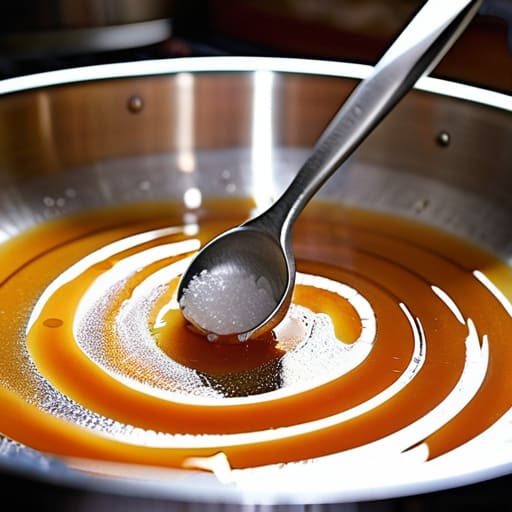
At the end of the day, making caramel is less about following a rigid set of rules and more about developing a respect for the physics of what’s happening in your pan. We’ve talked about the necessity of having your station set before that sugar even touches the flame, the importance of using the right tools, and why you must never—under any circumstances—try to rush the cooling process. If you keep your workspace clear, your hands back, and your eyes on that shifting color, you’ve already won half the battle. Remember, if the sugar starts to smoke or the color turns a shade too dark, don’t panic and don’t reach in to fix it; just step back and let the heat do its work. Safety isn’t a chore; it’s the foundation of a good bake.
I know it feels intimidating when you see that liquid amber bubbling away, looking more like molten glass than something you can eat, but I promise you, it is worth the nerves. There is a specific kind of magic in taking something as simple as granulated sugar and transforming it into something rich, complex, and deeply soulful through nothing but heat and patience. Don’t let the fear of a burn keep you from the joy of the craft. Once you learn to read the temperature and trust your instincts, you’ll find that the most temperamental ingredients often yield the most beautiful results. Now, go on—get your pan ready, and bake something wonderful.
Frequently Asked Questions
If I accidentally get a bit of hot syrup on my skin, should I go straight for the ice or just run it under the tap?
Listen to me: forget the ice. I’ve seen too many people reach for an ice cube when they’ve been scalded, and it’s a mistake that only makes the sting deeper by shocking the tissue. Run it under cool, running tap water immediately. Keep it there for at least twenty minutes. You need to draw that heat out of the skin steadily, not freeze it. Sugar clings like a second skin; be patient with the water.
Is it safer to use a heavy-bottomed pot to keep the heat steady, or does that just make it harder to see the color changing?
You want a heavy-bottomed pot, without question. A thin pan is a fickle thing; it creates hot spots that turn your beautiful amber into bitter black soot before you’ve even blinked. Yes, you lose a bit of the bottom view, but that’s why we use a light touch and a steady eye on the side of the vessel. Don’t trust the base; trust the color blooming against the metal. Steady heat is your best friend.
When I'm finished, what's the best way to clean out the hardened sugar without risking a burn or ruining my cookware?
Don’t you dare go scrubbing at that hot glass or metal with a knife; you’ll ruin the surface and likely end up in the hospital. The secret is patience, not force. Fill your pot with water and a handful of coarse salt, then bring it to a boil. The salt helps break the bonds of the sugar. Once it’s softened into a sludge, it’ll lift right off. Let it cool naturally—don’t rush the heat.