I spent thirty-four years watching people walk into my shop, looking for a shortcut to a perfect dessert, only to end up with a topping that looked more like a soggy, melted paste than a proper crumble. Most of those glossy recipe books will tell you that you need fancy almond flours or expensive extracts to get it right, but they’re lying to you. They make it sound like a chemistry experiment when, in reality, knowing how to make crumble topping is about understanding the simple, stubborn physics of fat and flour. If your topping turns into a single, heavy sheet of biscuit instead of distinct, golden nuggets, it isn’t because you used the wrong brand of butter; it’s because your hands were too warm or you were far too impatient with the mixing.
I’m not here to give you a list of decorative garnishes that fall off the moment you take a bite. I’m going to teach you how to work with the ingredients you actually have in your pantry, focusing on the ratios and temperatures that matter. We aren’t going to chase a photograph; we are going to aim for that specific, sandy texture that shatters when it hits your tongue. I’ll show you exactly how to feel for that perfect grit, ensuring you get a result that is consistently crisp every single time you turn on the oven.
The Sacred Flour Butter Sugar Ratio
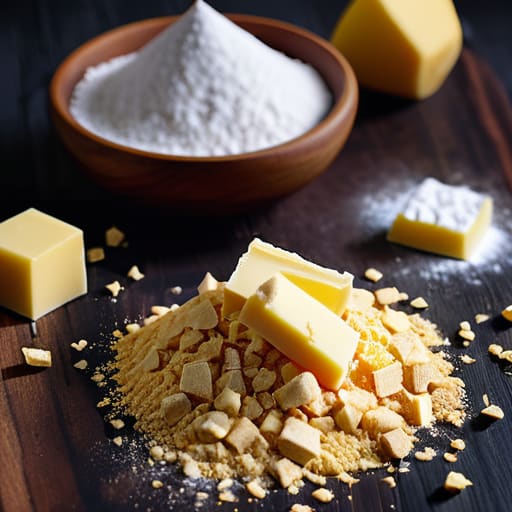
If you want a crumble that actually stays crunchy instead of turning into a sodden, sugary paste, you have to stop thinking in scoops and start thinking in parts. I always tell my apprentices that the flour butter sugar ratio is the skeleton of the whole thing. If you lean too hard on the sugar, you’re making a syrup that will melt into the fruit; if you lean too hard on the flour, you’ve just made a dry, sandy mess that tastes like nothing. I like to work with a 3:2:1 approach—three parts flour, two parts fat, one part sugar—but that’s just a starting point.
The magic happens in the texture, not just the math. You aren’t looking for a uniform powder; you want clumps. When I’m working through my homemade streusel recipe guide for the grandkids, I tell them to look for pieces the size of peas and pebbles. If your butter is too soft, those pebbles will vanish into a flat sheet. Keep that fat cold, keep your hands moving, and remember that the ratio is there to give you structure, not to dictate your intuition.
Baking Temperature for Crumble Success
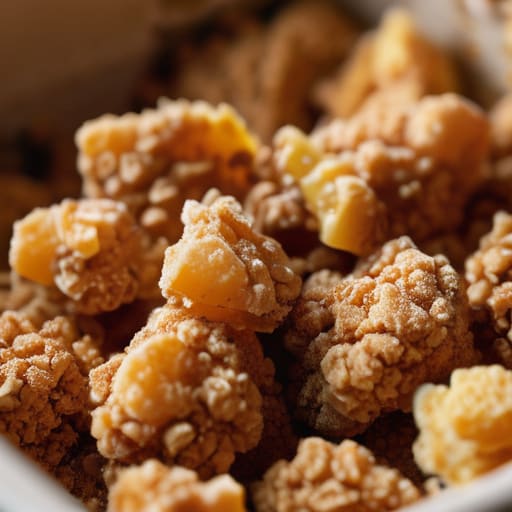
Now, once you’ve got your mixture looking like coarse sand, the heat is where most people lose their way. You might think a higher heat will get that golden crunch faster, but if your oven is running too hot, you’ll end up with a topping that is burnt on the outside and still raw, doughy mush underneath. The baking temperature for crumble should be steady—around 175°C (350°F)—to allow the fat to melt into the flour without a sudden, violent evaporation.
If your kitchen is particularly warm, or if you’ve been working the dough too much with your hands, that butter might already be softening. If it looks greasy before it even hits the oven, pop the whole dish in the fridge for twenty minutes. You want that fat to stay in distinct, cold clumps so it creates little pockets of steam as it bakes. This is the secret to crispy streusel topping tips that actually work: you aren’t just heating flour; you are creating a structural architecture of fat and grain that requires a controlled, even rise.
The Five Commandments of a Proper Crumble
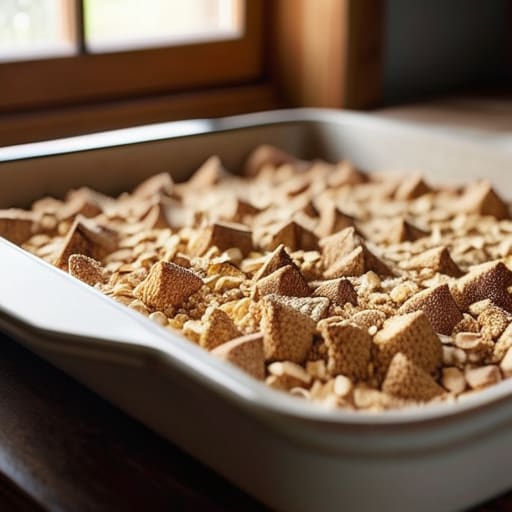
- Stop using a whisk; your hands are better tools. You want to feel the fat coating the flour, not beating air into it. Rub the cold butter in until the mixture feels like coarse, wet sand, with a few pea-sized lumps left over for texture. If it starts looking like a paste, your hands are too warm and you’ve worked it too hard.
- Temperature is everything, and I don’t just mean the oven. If your butter is soft enough to smear like jam, you aren’t making a crumble; you’re making a cookie. Use butter straight from the fridge, and if your kitchen is sweltering, pop the finished topping in the cold for ten minutes before it ever touches the fruit.
- Watch your hydration, even in a topping. While we don’t talk about hydration in a dough, a crumble is essentially a dry mixture seeking moisture. If your ratio is too heavy on the fat, it will sink into the fruit and turn into a soggy sludge. If it’s too dry, it’ll blow away in the oven like dust. Aim for a texture that holds its shape when you squeeze a handful, but breaks apart easily when pressed.
- Don’t be afraid of a little salt. Most people treat sugar like the only player in the game, but a crumble without a decent pinch of salt is one-dimensional and cloying. Salt is what makes the butter taste like butter and the sugar taste like caramel rather than just sweetness.
- The “Wait and See” rule. Once you’ve scattered your topping over the fruit, leave it alone. Do not press it down into the juices to “make sure it stays.” If you pack it tight, you’re sealing the steam in and you’ll end up with a gummy layer where the topping meets the fruit. Let it sit loosely on top so the heat can circulate and crisp those edges.
The Baker's Final Reminders
Stop looking for a specific “look” in a cookbook; instead, use your hands to feel for the texture of coarse sand. If the mixture feels like a heavy paste, your butter was too warm, and you’ve just made a cookie rather than a crumble.
Always weigh your ingredients rather than using cups, especially when it comes to the flour. A cup of flour can vary by twenty grams depending on how hard you pack it, and in a crumble, that’s the difference between a crisp topping and a sodden mess.
Respect the temperature of your kitchen and your tools. If you find yourself rushing because the dough is getting soft, stop, put the bowl in the fridge for ten minutes, and let the fat firm up again—patience is what keeps the topping light.
The Final Fold
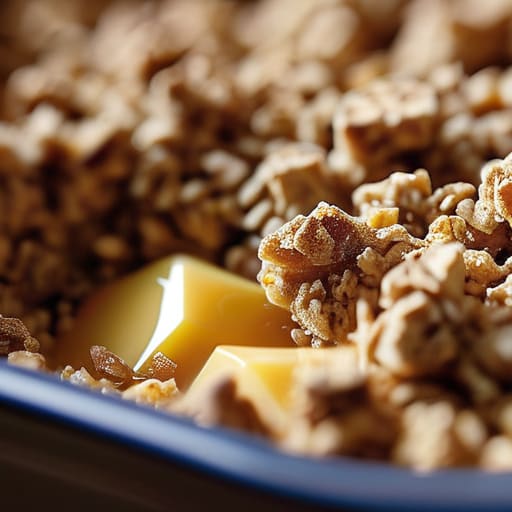
If you’ve followed the ratios and kept your butter cold enough to fight back, you’re already halfway to a perfect bake. Remember that a crumble isn’t a science experiment to be perfected by a timer; it is a balance of cold fat and coarse textures. If your topping looks a bit uneven or your chunks of butter are larger than you expected, leave them be. You want those pockets of fat to melt into the flour and create steam, which is exactly what gives you that shatteringly crisp finish rather than a heavy, greasy clump. Don’t overwork it, don’t let the kitchen heat turn your butter into oil, and for heaven’s sake, stop looking at the clock and start looking at the color.
At the end of the day, a crumble is meant to be a little bit unruly. It shouldn’t look like the manicured, uniform crumbs you see in those glossy magazines; it should look like something made by hands that know how to work with ingredients rather than against them. There is a particular kind of joy in pulling a dish from the oven and seeing those golden, jagged peaks catching the light. Baking isn’t about achieving a sterile perfection; it is about the rhythm of the process and the patience to let things happen at their own pace. Now, get it out of the oven, let it rest for five minutes so the juices can settle, and trust your hands.
Frequently Asked Questions
Can I use salted butter instead of unsalted, or will that throw off the balance of the whole dish?
You can certainly use salted butter, but you have to adjust your math. If you’re using salted, I’d suggest dropping your added salt by about 1.5% to 2% of the total flour weight. It’s not a catastrophe, but if you don’t account for it, you’ll end up with a topping that tastes more like a savory biscuit than a dessert. Just keep an eye on the balance; salt should enhance the sugar, not fight it.
My topping is turning into a paste instead of crumbs; am I overworking the dough or is my butter too warm?
It’s almost certainly your hands, darling. If it’s turning into a paste, you’ve let the friction of your palms melt the fat before it ever hit the oven. Once that butter loses its structure, you aren’t making crumbs anymore; you’re making shortbread. Stop rubbing it like you’re kneading bread. Use your fingertips, keep the butter cold—straight from the fridge—and stop if it starts feeling heavy or greasy. Patience, remember?
If I want a more substantial, biscuit-like crunch, should I increase the flour percentage or change the fat?
If you’re after a biscuit-like crunch, don’t go chasing more flour; you’ll just end up with something dusty and dry. You want to play with your fat. Lower your hydration by using a slightly firmer, colder butter, or swap a portion of your butter for lard or even a high-quality coconut oil. It’s about the way the fat coats the starch. Keep the flour percentage steady, but make sure that fat stays cold enough to resist melting too quickly.