I remember a young lad coming into the shop on a rainy Tuesday, looking absolutely gutted because he’d spent his whole afternoon in the kitchen only to end up with a tray of expensive, sugary gravel. He’d followed some fancy recipe online that promised “gourmet” results, but all he had were crumbs and a bruised ego. That’s the trouble with most modern recipes; they treat oats like a decoration rather than a structural component. If you are searching for how to make flapjacks that hold together without turning them into a brick of pure sugar, you need to stop looking at the glossy photos and start looking at the physics of the bind.
I’m not going to give you a list of “secret” ingredients or tell you that you need a specialized silicone mat to succeed. I am going to tell you about the relationship between heat, syrup viscosity, and the way oats absorb moisture. We are going to talk about ratios—not cups, because cups are liars—and why your patience during the cooling stage is just as vital as the bake itself. By the time we’re done, you won’t just have a recipe; you’ll have the intuition to know exactly when that mixture is ready to be pressed.
Mastering the Ratio of Oats to Butter
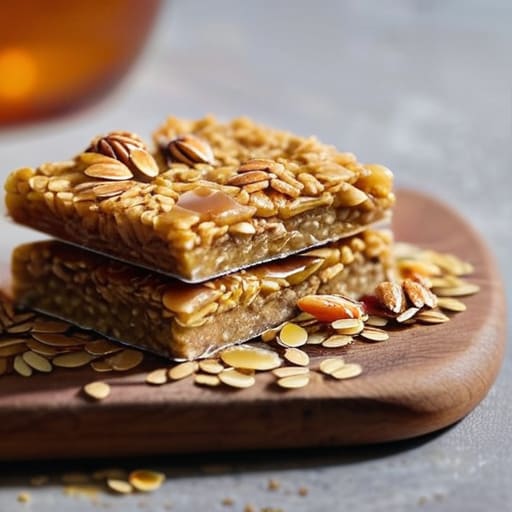
Most people treat the fat and the grain like they’re just throwing things into a bowl and hoping for the best, but that’s exactly how you end up with a tray of expensive gravel. If you want a bar that actually stays together, you have to respect the ratio of oats to butter. I always work with a 2:1 ratio by weight—two parts oats to one part fat—but that’s just the baseline. If your oats are particularly large or coarse, they’ll need a bit more “glue” to keep them from wandering off the plate.
Now, don’t get caught in the trap of thinking more butter equals a better bar. If you overdo the fat, you aren’t making a flapjack; you’re making a greasy mess that will never truly set. It’s about the way the fat coats the starch. I prefer using golden syrup over honey for texture because it’s more predictable and less prone to turning the whole lot into a sticky, structural nightmare. You want that syrup to act as one of your primary binding agents for oat bars, creating a tacky web that holds the oats in place while the butter provides the richness. If the mixture looks dry and shaggy like birdseed, add a splash more liquid; it should look heavy and glossy, like it’s barely holding on.
The Truth About Binding Agents for Oat Bars
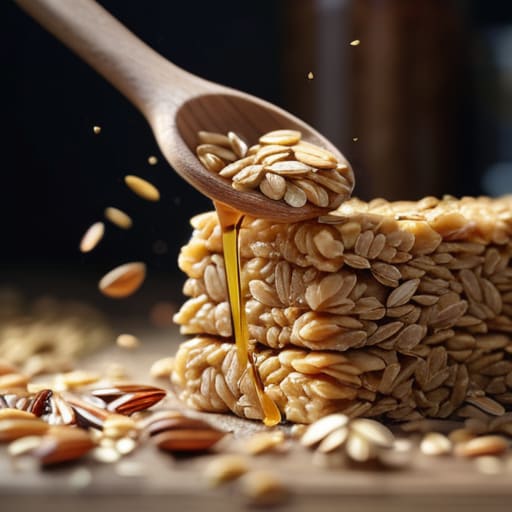
Now, let’s talk about what actually holds the whole thing together. Most people think it’s just about more butter, but that’s a mistake that leads to a greasy mess rather than a sturdy bar. The real magic lies in your choice of binding agents for oat bars. If you use honey, you’re getting a softer, more floral result, but honey is thinner and more prone to weeping. If you want a bar that stands up to being carried in a lunchbox, you need the viscosity of golden syrup. It’s thicker, it’s more stubborn, and it creates that lovely, slightly tacky structure that prevents the oats from simply drifting apart the moment you bite into them.
But even with the right syrup, you cannot rush the cooling process. This is where most beginners fail; they try to slice into the tray while it’s still warm and soft. You aren’t just waiting for it to get cold; you are waiting for the sugars to set into a structural matrix. If you don’t let them rest completely, you’ll never achieve properly setting flapjacks after baking, and you’ll end up with a tray of delicious, but structurally useless, mush.
Five Ways to Stop Your Flapjacks from Falling Apart
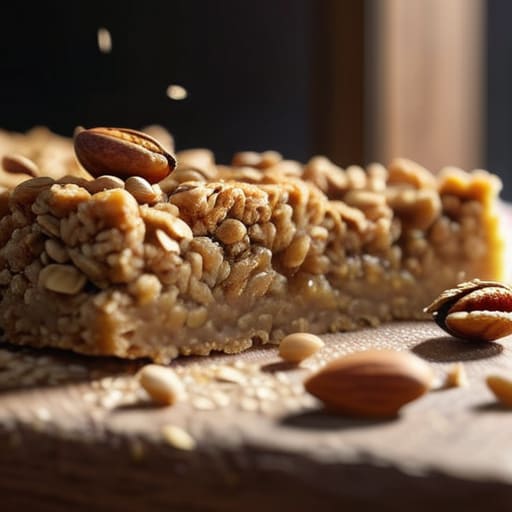
- Watch your temperature, not just your timer. If you try to press your oats into a tray while the butter and syrup are still boiling hot, they’ll just slide around like they’re on ice. Let that mixture cool just enough to get tacky and thick—it should feel like heavy treacle—before you even think about pressing it down.
- Stop treating the oats like they’re delicate. You need to press those bars into the tin with real weight. I don’t mean you have to break your wrists, but you can’t just sprinkle them in and hope for the best. Use the bottom of a heavy glass or a flat-bottomed measuring cup to pack them in tight, layer by layer, until they feel like one solid mass.
- Respect the cooling period. This is where most people fail. They take them out of the oven, see they’ve gone golden, and want to slice them immediately. If you do that, you’re just making delicious oat porridge. They need to sit in the tin until they are completely cold to the touch; the fats need that time to set and act as the glue.
- Don’t skimp on the syrup’s role. If you’re using honey or golden syrup, remember that they are your primary binders. If your mixture looks too dry or “floury” before it hits the oven, you haven’t given the oats enough liquid to soak up. It should look a bit messy and overly wet when it goes in; the oven will do the work of drying it out, not the other way around.
- Use the right oats for the job. If you use those tiny, instant quick-oats, you aren’t making flapjacks; you’re making a compressed biscuit that will crumble the moment you look at it. You want old-fashioned rolled oats—the kind with some structural integrity—so they can hold onto the binder and stay upright when you pull them apart.
Three Things to Remember Before You Reach for the Cooling Rack
Stop judging your bake by the clock; a flapjack that looks “done” but hasn’t reached its proper internal temperature will turn into a pile of rubble the second you try to slice it.
Respect the cooling process as much as the mixing; if you try to pry them apart while they’re still warm, you’re fighting the physics of the binder, and the binder will win every time.
Watch your heat, not just your timer—if your butter and syrup scorched even slightly while you were distracted, you’ve lost the structural integrity of the sugar, and no amount of extra oats will save a brittle bar.
The Final Press
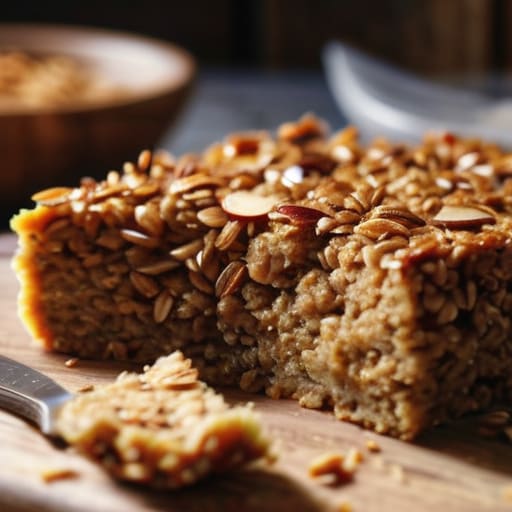
At the end of the day, a flapjack that crumbles into a mess is rarely a failure of ingredients, but a failure of patience and pressure. You’ve got your ratios right, you’ve understood that the butter and syrup need to be hot enough to actually coat every single oat, and you’ve chosen a binder that won’t quit on you. But if you pull them out of the tin while they’re still soft and warm, you’ve lost the battle before it even started. You must press that mixture into the corners with the weight of your palm and, more importantly, you must leave them alone to set completely. A flapjack isn’t finished when it leaves the oven; it’s finished when the structure has actually had a chance to settle.
Don’t get discouraged if your first few batches are a bit temperamental. I spent my first few years at the bakery thinking I’d forgotten how to use flour, only to realize I was just fighting the temperature of my own kitchen. Baking is a conversation between you and the food, and sometimes you have to listen a little closer to what the oats are telling you. Once you stop staring at the clock and start feeling the resistance of the bake, you’ll find your rhythm. Now, get your tins out, weigh your ingredients, and let the time do the heavy lifting for you.
Frequently Asked Questions
My flapjacks look perfect when they're warm, but they crumble into dust the second they hit the breakfast table—what am I doing wrong?
You aren’t doing anything wrong with your ingredients; you’re just being too impatient. If they look perfect warm but turn to dust once they’re cool, you’ve pulled them out before the structure has actually set. Think of it like a loaf of bread—if you slice it while it’s still steaming, the crumb collapses. Leave them in the tin until they are completely cold. Let that syrup and butter do their job while they rest.
Can I swap the golden syrup for honey or maple syrup, or will that mess up how the bars stick together?
You can swap them, but don’t expect the same result. Golden syrup is thick, stable, and holds onto those oats like a firm handshake. Honey is thinner and more prone to weeping, while maple syrup is even more temperamental; it lacks the structural “grip” of the gold. If you use them, increase your butter by about 5% to compensate for the extra moisture, or you’ll find yourself eating a bowl of oat porridge instead of a bar.
Should I be pressing the mixture into the tin with all my might, or is there a risk of making them too dense and heavy?
You want a firm base, not a brick. If you go at it with all your might, you’ll crush the air out of the oats and end up with something that feels more like a pebble than a treat. Use the back of a heavy spoon and press down with steady, deliberate pressure until you see the mixture settle into a single, even layer. You’re looking for cohesion, not compaction.