I’ve spent thirty-four years watching people panic when their frosting turns into a grainy, curdled mess that looks more like cottage cheese than a silky dream. Most of the fancy cookbooks will tell you that you’ve ruined the batch or that you need to start over with expensive new ingredients, but that is absolute nonsense. If you are staring at a bowl of separated fat and wondering how to fix split buttercream, stop blaming your recipe and start looking at your kitchen temperature. It isn’t a failure of chemistry; it is simply a matter of temperature and timing, and I promise you, it is almost always fixable if you don’t lose your head.
I am not going to give you a list of “miracle ingredients” or tell you to throw your hard work in the bin. Instead, I’m going to tell you exactly how to coax that emulsion back into submission using nothing but a bit of warmth or a touch of liquid. We are going to talk about the feel of the cream and the reality of how fat behaves, because once you understand the “why,” you’ll never fear a broken frosting again.
Emulsifying Broken Buttercream Through Gentle Hands
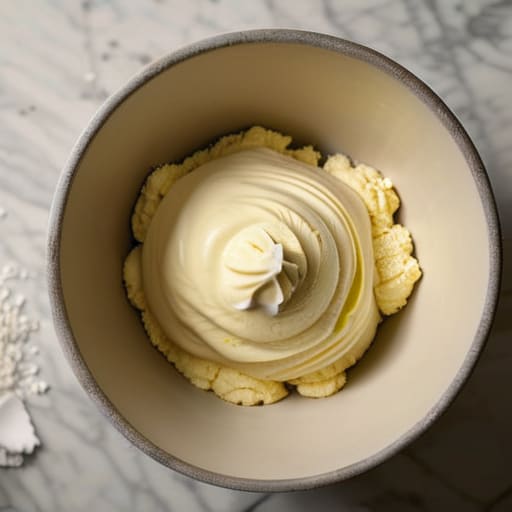
When you look down at that bowl and see a grainy, curdled mess instead of a silk-smooth cloud, don’t panic and don’t throw it out. Most people think they’ve ruined the batch, but you’re really just dealing with a broken emulsion. Fixing curdled frosting isn’t about adding more sugar; it’s about bringing the fat and the liquid back into a polite conversation. If your butter was too cold when you started, the fat molecules have essentially gone into hiding, refusing to bond with the sugar and any liquids you’ve added.
The secret to emulsifying broken buttercream lies in a bit of gentle persuasion. If the mixture looks like it’s separating, try adding a teaspoon of room-temperature milk or heavy cream at a time. Don’t just dump it in; add it slowly and watch how the dough—or in this case, the frosting—responds. You are looking for that moment where the liquid finally coaxes the fat back into a cohesive state. If it’s still stubborn, a very brief moment of warmth from a hair dryer held near the bowl can sometimes do the trick, but patience is your best tool here. Stay steady, keep mixing, and trust the process.
Buttercream Temperature Control Is Your Only Real Guide
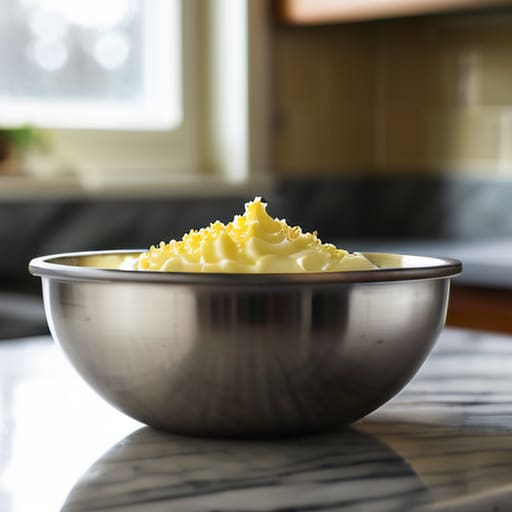
You can’t treat butter like a static ingredient; it’s a living thing that reacts to the air in your kitchen. Most people think they’ve failed when they see those tiny, grainy beads of fat separating from the sugar, but they haven’t failed—they’ve just lost the battle with the thermometer. If your butter was sitting on a sunny windowsill or if your kitchen is particularly drafty, you’ve lost your window of stability. When it comes to buttercream temperature control, you have to stop looking at the bowl and start feeling the room.
If the mixture looks like it’s curdled, it’s usually because the fat has become too warm to hold onto the sugar and air. You don’t need a new recipe; you need a change of scenery. Sometimes, the best way of fixing curdled frosting is to simply move the bowl to the fridge for ten minutes to let the fat firm up, or conversely, to introduce a tiny splash of room-temperature milk to help the emulsion find its footing again. Don’t panic and keep whipping; that’s how you turn a fixable mistake into a greasy mess.
Five Ways to Stop Fighting Your Frosting
- Stop adding more sugar to fix a mess. If your buttercream looks curdled or grainy, it’s almost certainly an emulsion problem, not a sweetness problem. Adding more dry ingredients will just give you a gritty paste that tastes like sawdust rather than fixing the texture.
- Watch your butter’s temperature like a hawk. If the butter was too cold when you started, it won’t marry the sugar; if it was too soft, it’ll turn into soup. When you’re trying to fix a split, you’re essentially playing a game of thermal tug-of-war, so keep a bowl of warm water and a bit of chilled butter nearby to find that middle ground.
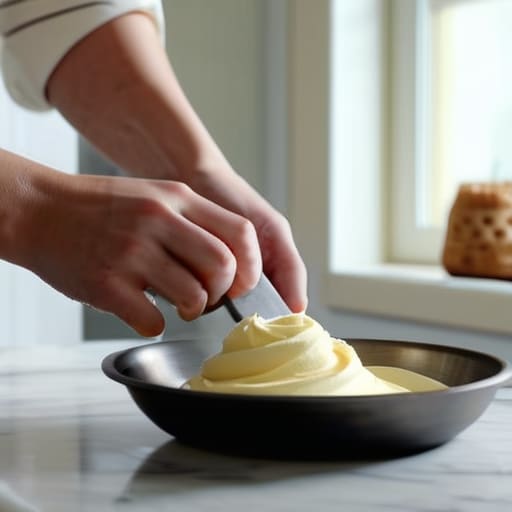
- Use a hand whisk for the rescue work. While my heavy stand mixer is my best friend for a big batch, it can be a bit too aggressive when you’re trying to coax a broken emulsion back together. A hand whisk allows you to feel the resistance of the fats and gives you much finer control over the “re-marriage” of the ingredients.
- Introduce a tiny bit of liquid, but do it slowly. A teaspoon of room-temperature milk or heavy cream can act as the bridge between the fat and the sugar. Don’t just dump it in; add it drop by drop. If you rush this, you’ll end up with a puddle instead of a cream.
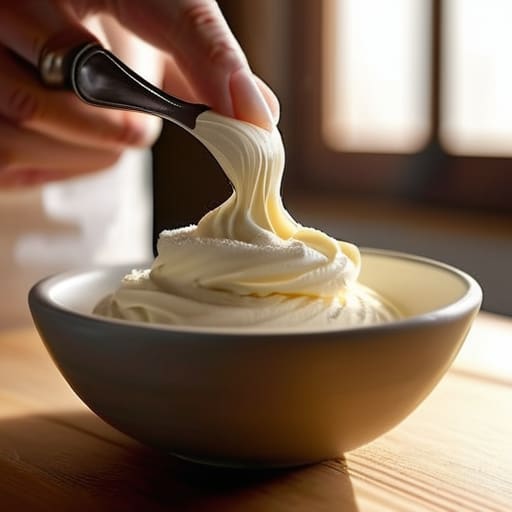
- Learn to read the “sheen.” You’ll know you’ve succeeded when the dull, clumpy look disappears and is replaced by a soft, satin sheen. If it still looks like cottage cheese, it’s not ready; keep working it gently until the light hits it evenly.
The Baker's Truths for a Smooth Frosting
Stop blaming the recipe when your butter is too cold or your sugar isn’t fine enough; most “broken” buttercream is simply a matter of ingredients refusing to cooperate with the temperature of your kitchen.
Forget the timers and the rigid instructions; you must learn to feel the weight and texture of the emulsion, using warmth and slow, steady movement to coax the fat and sugar back into a single, silky state.
Patience is your most vital tool, because rushing the process by cranking up the mixer speed will only drive the air out and leave you with a greasy mess instead of a stable cream.
The Final Fold
At the end of the day, fixing a split buttercream isn’t about magic; it is about understanding that you are working with a living emulsion. If you find yourself staring at a bowl of curdled, grainy mess, remember that it is rarely a lost cause. Whether you need to introduce a splash of warm liquid to bridge the gap or use a bit of gentle heat to bring your butter into a cooperative state, the solution lies in temperature and patience. Stop looking for a new recipe and start looking at the room around you. If your kitchen is drafty or your butter was pulled from the fridge a moment too soon, your buttercream will tell you exactly what it needs—you just have to be quiet enough to listen to it.
I spent thirty-four years watching dough rise and frostings fail, and if there is one thing I learned from those four o’clock starts, it is that perfection is a bit of a lie. Even the most seasoned hands have moments where the emulsion breaks or the texture turns stubborn. Don’t let a broken bowl make you feel like a failure; it is simply the ingredients reacting to the environment. Take a breath, adjust your temperature, and keep moving. Baking is less about following a set of rigid rules and more about the relationship between your hands and the bowl. Once you stop fighting the ingredients and start working with them, you’ll find that the best results come from the mistakes you had the sense to fix.
Frequently Asked Questions
If I’ve already added too much liquid and it’s turned into a soup, is there any way to save it without adding more sugar?
If you’ve gone and turned your buttercream into soup by over-adding liquid, you’re in a bit of a corner if you won’t touch the sugar. Since we can’t use more powdered sugar to soak up the moisture, your only real hope is temperature. Put the bowl in the fridge for fifteen minutes—don’t let it freeze, just chill it—then try whipping it again. If that fails, you’ve essentially made a flavored butter sauce. Use it for pouring, not spreading.
Does it matter if I’m using a stand mixer versus whisking it by hand when I'm trying to coax the emulsion back together?
It matters, but not for the reason you think. If you’re using a stand mixer, you have the advantage of consistent, mechanical force, but it’s easy to overwork it and turn your frosting into warm soup. If you’re whisking by hand, you have much better “feel”—you can sense the exact moment the fat and liquid start to marry. Honestly? Use the mixer for the heavy lifting, but keep a close eye on the temperature.
Why does my buttercream seem to split every single time I try to add a bit of fruit puree or lemon juice?
It’s the acid, dear. You’re introducing a liquid that’s fighting the fat, and your emulsion is simply throwing in the towel. Fruit puree and lemon juice aren’t just moisture; they’re aggressive little disruptors. When you add them, you’re essentially asking the butter to hold onto something that wants to separate. Don’t just dump it in. Add your puree a teaspoon at a time, keeping the temperature steady, and let the whisk do the heavy lifting.