I remember standing over a flour-dusted bench at four in the morning, staring in disbelief at a batch of blueberry muffins that looked more like a graveyard of purple stones than a light, airy sponge. I had followed every “expert” tip on the internet, yet there they were, all the fruit huddled at the bottom like they were seeking warmth. Most people will tell you that you need some fancy, expensive stabilizer or a specific brand of thickener to fix it, but they’re selling you nonsense. The truth about how to stop fruit sinking isn’t found in a specialty aisle; it’s found in the density of your batter and the way you respect the physics of your ingredients.
I’m not going to give you a list of magic powders or tell you to buy a different oven. Instead, I’m going to tell you why your hydration levels are betraying you and why your folding technique might be too heavy-handed. We are going to look at the science of weight and the importance of temperature, because once you understand the relationship between the fruit and the crumb, you won’t need a recipe to save you.
Mastering the Flour Dusting Technique for Fruit
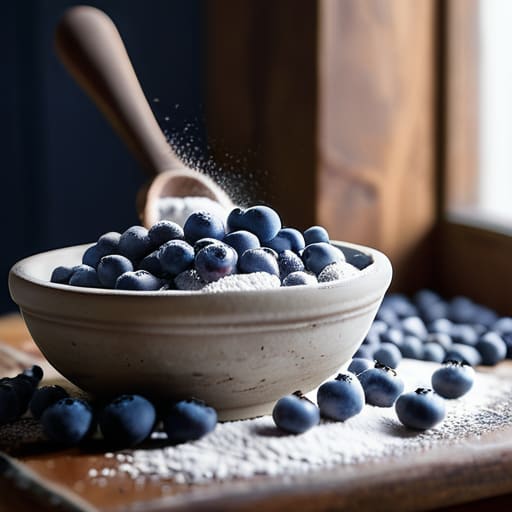
Now, don’t you go thinking a light sprinkle of flour is some sort of magic spell, though it’s a far better start than nothing at all. When you’re coating fruit for baking, your goal isn’t to turn your berries into little white stones; it’s to create just enough friction so they don’t slide through the batter like they’re on a greased slide. I always tell my apprentices to toss the fruit in a small bowl with a tablespoon of flour until every piece looks dusty, not doughy. If you see clumps, you’ve gone too far and you’re just adding unnecessary weight to the mix.
The real trick to the flour dusting technique for fruit is understanding that you are essentially building a tiny, temporary scaffold. By lightly coating those blueberries or peach slices, you’re helping them grip the surrounding crumb. If you skip this, you’ll find yourself staring at a muffin with a lovely, domed top and a depressing, empty crater at the base. It’s a waste of good fruit and good flour. Just remember: a gentle toss is all it takes to ensure your fruit stays exactly where you put it.
Selecting the Optimal Fruit Size for Muffins
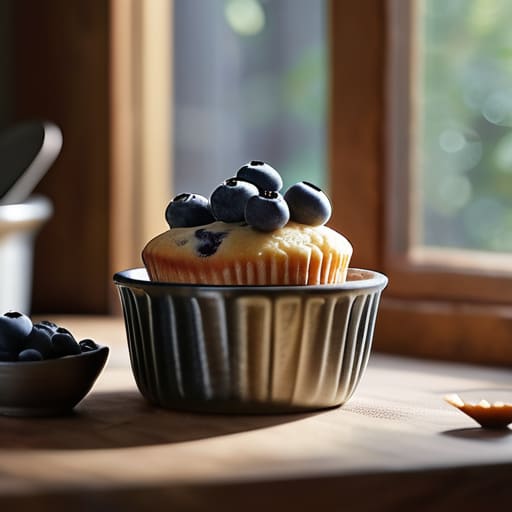
Now, don’t go thinking a handful of massive, juicy blueberries is going to make for a better muffin just because they look grand on a plate. If you’re using fruit that’s too large, you’re essentially dropping heavy stones into a delicate sponge. Each giant berry creates a massive pocket of moisture and weight that the batter simply cannot support, and that is a one-way ticket to preventing fruit from falling to the bottom of the pan becoming a lost cause. I always tell my apprentices: if the fruit is bigger than a marble, it’s probably too big for a standard muffin.
You want pieces that are small enough to be suspended by the crumb, but not so tiny that they vanish into the batter entirely. For something like a chopped apple or a handful of raspberries, aim for a uniform, bite-sized piece. This ensures even muffin batter fruit distribution so you don’t end up with one glorious mouthful and three bites of plain cake. When the fruit is sized correctly, it sits nestled in the structure rather than fighting against it, allowing the muffin to rise around the fruit instead of being pushed down by its sheer mass.
Five ways to keep your fruit where it belongs
- Watch your batter density; if your batter is too thin, it lacks the structural strength to hold anything heavier than a whisper, so if you’re working with heavy berries, you might need to dial your hydration down a touch to give them something to grip.
- Don’t let your fruit sit in a puddle of its own juice before you add it to the bowl, because that extra moisture acts like a lubricant, helping the fruit slide right through the batter and straight to the bottom of the tin.
- Stop over-mixing the moment the flour disappears; a batter that’s been beaten into submission loses its aeration and becomes heavy and sluggish, making it much harder for the air bubbles to keep your fruit afloat.
- Temperature matters more than you think, so if your fruit is ice-cold from the fridge, it’ll shock the batter and cause it to lose its lift; let your berries sit out for a bit so they aren’t fighting the warmth of the oven.
- Trust your hands over your eyes when folding; you want to fold the fruit in just until they are coated and suspended, not until they are perfectly distributed, because the goal is to tuck them in, not to stir them through.
The Three Pillars of Floating Fruit
Stop treating your fruit like an afterthought; if you haven’t tossed those berries in a light coating of flour first, they’ll dive straight to the bottom of the tin like stones in a well.
Watch your batter’s weight and viscosity, not just the clock; if your batter feels too thin or runny, it lacks the structural strength to hold anything heavier than air, and no amount of dusting will save a weak base.
Temperature is your silent partner in this; if your fruit is ice-cold from the fridge and your batter is room temperature, that thermal shock can break your emulsion and cause the fruit to sink as the batter loses its grip.
Trust Your Hands, Not the Timer
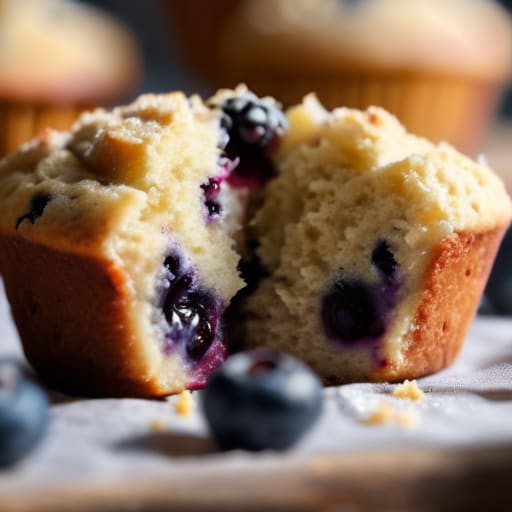
At the end of the day, stopping fruit from diving to the bottom of your tin comes down to three things: the weight of your batter, the size of your berries, and a healthy dusting of flour to keep them suspended. If you’ve chosen fruit that isn’t too heavy, tossed them in a light coating so they don’t slide, and ensured your batter has enough body to hold its ground, you’ve done the hard part. Remember, if your muffins come out looking a bit uneven, it isn’t a failure; it’s just a sign that the physics of the bake were at work. Don’t go blaming the recipe when the real culprit was likely a batter that was too thin or fruit that was too wet.
Baking isn’t about achieving some sterile, photographic perfection that you see in those glossy magazines; it’s about the rhythm of the kitchen and the way a warm muffin smells when it hits the air. There will be days when the fruit sinks despite your best efforts, and that’s alright. You’ll adjust the hydration next time, or you’ll wait for a warmer afternoon to mix your dough. Just keep listening to the dough and trusting your senses. After thirty-four years of flour under my fingernails, I can tell you that the best loaves and cakes aren’t the ones that look perfect, but the ones made with a bit of patience and a lot of heart.
Frequently Asked Questions
If I’m using a high-hydration batter, does that make the fruit more likely to dive to the bottom regardless of how much flour I use?
It certainly does. If you’re working with a 75% or 80% hydration batter, you’re essentially trying to suspend stones in a puddle. High hydration means less structural tension to hold those berries in place. Even with a heavy dusting of flour, a thin, runny batter won’t have the “grip” required. In those cases, you have to rely on folding the fruit in at the very last second, or better yet, use slightly larger chunks to increase their drag.
Should I be chilling my fruit before adding it to the mix, or does that just mess with the temperature of the dough?
Don’t worry about the temperature; your dough is far more resilient than that. In fact, I’d prefer you do chill it. Cold fruit holds its shape better and stays firm longer against the heat of the oven. If you’re tossing room-temperature berries into a warm batter, they start to weep juice immediately, which thins your hydration and makes them heavy. Keep them cold, fold them in gently, and let the oven do the work.
How can I tell if my batter is thick enough to hold the weight of heavy berries, or am I just guessing by looking at it?
Stop looking at the bowl and start feeling the resistance. If you’re just guessing by sight, you’ve already lost. You want a batter that holds its shape; when you lift the spoon, it should fall in heavy, slow ribbons that hold their edges for a second before disappearing. If it runs like water, your hydration is too high for those berries. It should feel substantial, almost reluctant, to move. Trust the weight of the spoon.