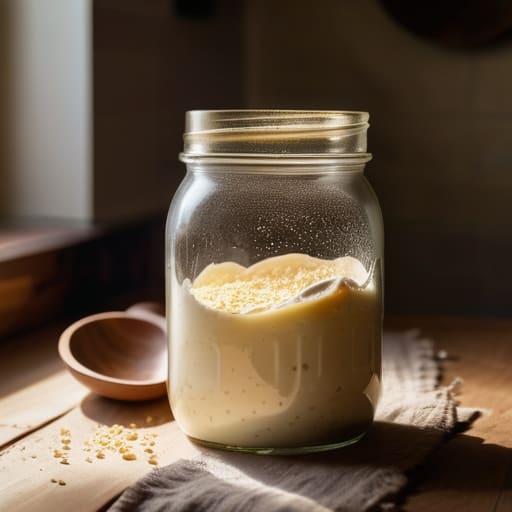
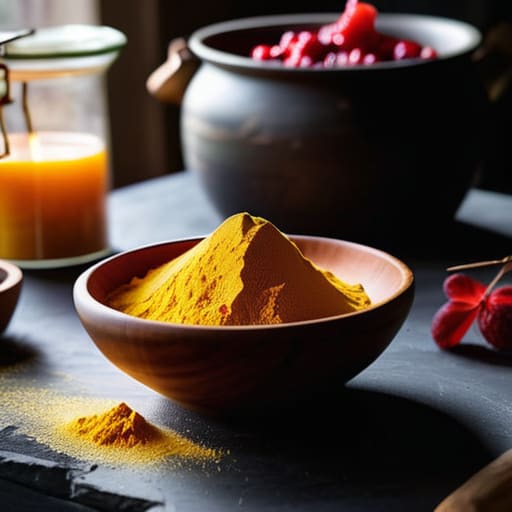
Most people think that learning how to make a fruit cake is about finding a fancy recipe with exotic spices or expensive brandy, but they’ve got it backwards. After thirty-four years of watching people walk into my shop with disappointment in their eyes, I can tell you that the recipe is rarely the culprit; it’s the impatience that kills the cake. I remember a young man once asking me why his holiday loaf was nothing but a soggy, heavy brick despite following a cookbook to the letter. He had tried to bake it the same day he prepared it, treating the fruit like it was just another ingredient to be tossed in and forgotten. He didn’t realize that a proper fruit cake isn’t baked; it is nurtured over time.
I’m not here to give you a list of measurements that rely on fickle measuring cups or tell you that a specific brand of rum will magically fix a rushed dough. Instead, I’m going to show you how to manage the moisture, the soak, and the temperature so you actually end up with something worth eating. We are going to talk about ratios and timing, because that is where the soul of the cake lives.
Recipe Details
Ingredients
- 2 cups mixed dried fruits (raisins, currants, sultanas)
- 1 cup chopped candied peel
- 1 cup brown sugar
- 1/2 cup melted butter
- 2 large eggs
- 1.5 cups all-purpose flour
- 1 teaspoon ground cinnamon
- 1/2 teaspoon ground nutmeg
Recipe Instructions
Step 1
Before you even touch a bag of flour, you have to deal with the fruit. I use a ratio of 60% dried fruit to 40% flour and sugar by weight, but the fruit needs to be properly plumped. Toss your raisins, currants, and chopped peel into a bowl with enough brandy or dark rum to cover them completely. If you try to bake with dusty, shriveled fruit, you’ll end up with a cake that tastes like cardboard and old wood. Let them sit; if you’re in a hurry, you’ve already lost.
Step 2
Now, we prepare the base. You’ll want your butter and sugars to be at a true room temperature—not “just taken out of the pantry” temperature, but soft enough to yield to a gentle finger press. Cream the butter (20% of your total weight) and your sugars together until the mixture looks pale and feels aerated. I don’t care if it looks like a cloud; I want it to feel like a thick, velvety custard. This is where you build the structure that holds all that heavy fruit up.
Step 3
Eggs are the binder, but they are also the enemy if you aren’t careful. I add them in small increments, about 10% of your total weight at a time. If you dump them all in at once, the fat and the water won’t want to be friends, and your batter will split and weep. If you see it starting to curdle, don’t panic—just add a tablespoon of your measured flour to bring it back together. It’s much easier to fix a split batter now than a heavy, greasy cake later.
Step 4
Folding in the dry ingredients is where most people lose their temper and ruin the crumb. Sift your flour (which should be roughly 30-35% of the weight) and your spices together. Use a large metal spoon or a spatula, and move in a figure-eight motion. You aren’t trying to whip air into it like a sponge cake; you are simply trying to incorporate the flour without knocking the life out of the butter and eggs. Stop the moment you see no more white streaks.
Step 5
Finally, get that fruit into the pan. I use a heavy, deep tin, greased well and lined with parchment. Pour the batter in and use the back of a spoon to push the fruit down so it’s evenly distributed. If all the raisins sink to the bottom, it’s because your batter was too thin or you didn’t fold it with enough care. Cover the tin with a piece of parchment and a layer of foil, and get it into a low oven. A fruit cake isn’t a sprint; it’s a slow, steady soak of heat that needs time to cook all the way to the center.
Beyond the Recipe Mastering Rum Soaked Dried Fruits
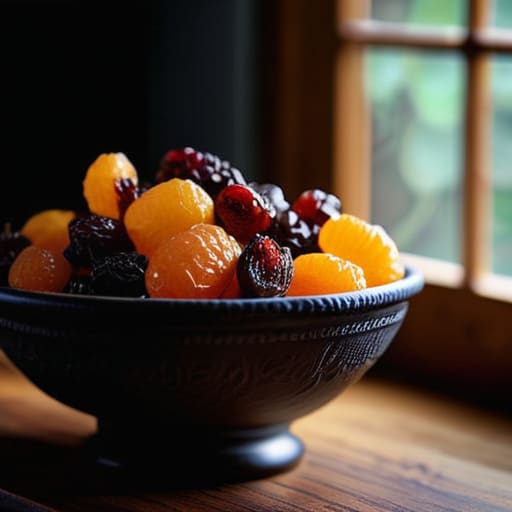
If you think you can just toss a handful of raisins into a bowl and call it a day, you’re in for a disappointing slice. The secret to a truly deep, complex flavor lies in the rum soaked dried fruits. I’ve learned over the decades that you can’t rush this. If your fruit feels shriveled and hard, it’s going to sit in your batter like little pebbles rather than melting into the crumb. I like to start my soak at least a week early—sometimes even a month if I have the patience—to ensure the alcohol actually penetrates the skin. It’s not just about the liquid; it’s about the fruit becoming heavy and luscious.
When it comes to the aromatics, don’t be shy. While everyone reaches for the same basic cinnamon, I find that a touch of ground cardamom or even a hint of clove makes the difference between a standard bake and something memorable. People often ask me how long to mature fruit cake once it’s out of the oven, and my answer is always the same: as long as you can stand it. A cake is a living thing; it needs time in a cool, dark corner to let those spirits and spices marry.
Homemade Candied Fruit Preparation and the Best Spices for Fruit Cake
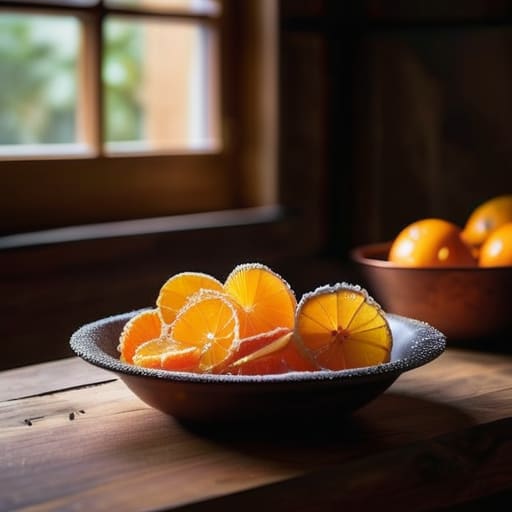
Now, if you’re the type who buys those little plastic tubs of neon-bright candied peel from the supermarket, please, put them back. They taste of nothing but sugar and food coloring. Real homemade candied fruit preparation is a slow, meditative business. I used to spend my Tuesday afternoons simmering thick slices of orange and lemon peel in a heavy syrup, letting them soften until they were translucent and jewel-like. You want that peel to hold its shape but yield to the tooth; it should be a concentrated burst of citrus, not a piece of rubber. If you have the time, try it with some ginger or even citron. It’s more work, yes, but it’s the difference between a cake that merely exists and one that tells a story.
As for the warmth of the loaf, you can’t rely on the fruit alone. Finding the best spices for fruit cake is about layering, not just dumping a tablespoon of cinnamon into the bowl. I always lean on a blend of freshly grated nutmeg, cloves, and a hint of cardamom to lift the heavy sugars. You want the spices to hum in the background, not shout over the brandy. And remember, once that cake leaves the oven, the real work begins. A fruit cake is a living thing; it needs the dark, the cool, and most importantly, the time to settle.
Five Things the Cookbook Won't Tell You About a Proper Fruit Cake
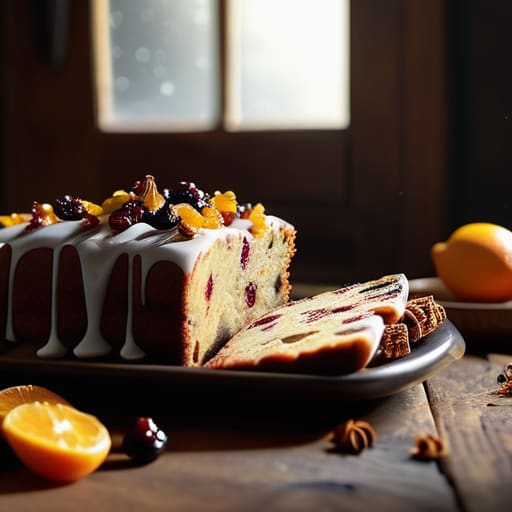
- Stop worrying about the oven temperature and start watching the edges. A fruit cake is a dense, heavy thing; it doesn’t “rise” like a sponge, it sets. If you see the edges pulling away from the tin too quickly, your oven is too hot and you’re parching the fruit before the center is even warm. Lower the heat, wrap the tin in a damp cloth if you have to, and let it take its time.
- The weight of your fruit matters more than the volume. If you’re using a scale, you’ll see why I hate measuring by the cup—you can pack a cup of raisins so tightly you’ve essentially turned it into a brick, throwing your moisture ratios completely off. Aim for a fruit-to-flour ratio that feels substantial but doesn’t turn your cake into a pile of loose debris once it cools.
- Don’t be stingy with the fat, but don’t be careless with it either. You need enough butter to coat every single morsel of fruit, otherwise, the fruit will suck the moisture straight out of the cake batter, leaving you with a crumb that’s dry enough to choke on. The fat is the barrier that keeps the cake luscious.
- Patience isn’t just for the soaking; it’s for the cooling. I’ve seen too many young bakers slice into a fruit cake while it’s still even slightly warm. The structure hasn’t finished setting, and the sugars haven’t settled. If you cut it too early, it will crumble like a sandcastle. Let it sit. Let it rest. Let it be.
- Listen to the batter. When you’re folding in those heavy, boozy fruits, the batter should feel thick and slightly resistant, not runny. If it feels like a thin soup, you’ve added too much liquid or not enough flour, and you’re headed for a dense, gummy center that no amount of rum can fix. It should feel like a heavy, luxurious sludge.
The Baker’s Final Reminders
Stop treating your fruit like an afterthought; if you haven’t given those raisins and currants enough time to swell with spirit, you’re just baking a dry, heavy sponge instead of a proper fruit cake.
Temperature is your silent partner, so keep an eye on your oven—a fruit cake wants a steady, gentle heat to cook through to the center without the edges turning into scorched bricks.
Trust your senses over a timer, because a cake is finished when it feels right and smells right, not just because a clock told you to pull it out.
The Long Wait and the Final Result
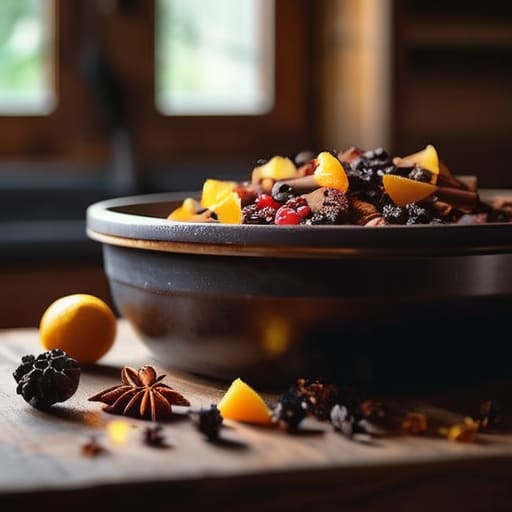
At the end of the day, a proper fruit cake isn’t something you just whip up between tea and supper; it is a slow negotiation between you and your ingredients. We have talked about why those weights matter, why your fruit needs to be thoroughly saturated with spirit before it ever touches the flour, and why you cannot skimp on the quality of your spices. If your cake feels a bit heavy or the moisture seems uneven, don’t go blaming the recipe. Look back at your temperatures, check how long you let that fruit macerate, and ask yourself if you were perhaps a bit too impatient with the oven. Most failures in a fruit cake come from rushing the maturation or treating the fruit like an afterthought rather than the star of the show.
Once that cake finally comes out of the tin and begins its long, quiet slumber in the pantry, try to resist the urge to slice into it immediately. A fruit cake needs time to settle, to let those flavors marry and deepen in the dark. There is a quiet, profound joy in knowing that something you made weeks ago is becoming better simply by sitting still. Baking is often about the noise—the whisking, the measuring, the heat—but the best things, the truly soul-warming things, are born from the silence of the waiting. Trust your hands, trust your time, and eventually, the cake will reward you.
Frequently Asked Questions
Can I use a different spirit if I don't want to use rum, or will that ruin the structure of the cake?
You won’t ruin the structure, but you’ll certainly change the soul of the cake. The alcohol isn’t there to hold the crumb together—that’s the job of your flour and eggs—it’s there to carry the flavor. Brandy is a lovely, sophisticated alternative, and even a heavy sherry works beautifully. Just watch your proportions; different spirits have different sugar contents. If you go too sweet or too botanical, you’re just making a different cake entirely.
My kitchen is quite cold in the winter; how do I know if the cake is actually baked through without overcooking the edges?
A cold kitchen is a thief; it steals your heat before the center can catch up. Don’t trust a timer when the air is biting. Instead, use a thin skewer or a wooden toothpick, and push it deep—right into the heart of the cake. It should come out clean, or with just a few moist crumbs. If the edges look dark but the middle wobbles, tent it with foil and give it more time.
If I want to make this a few months in advance, how should I store it so the moisture doesn't turn into a soggy mess?
If you’re baking months ahead, you’re actually doing the cake a favor. Once it’s cooled completely, wrap it tightly in parchment, then a layer of foil, and tuck it into an airtight tin. Keep it in a cool, dark cupboard—never the fridge, unless you want to dry it out. The spirits in the fruit will slowly migrate into the crumb, turning it from a simple sponge into something deep and soulful. Patience pays off.