I remember a rainy Tuesday back in the nineties, standing over a stainless steel bowl in my shop, watching a young apprentice try to force a sponge to rise by simply beating the hell out of it with a heavy mixer. She was looking for magic in the machine, but she didn’t realize that she was actually bruising the life out of the eggs. Most people think a light, airy cake is about the power of the motor or some expensive gadget, but they completely misunderstand how whisked sponges work. It isn’t about force; it is about the delicate, invisible architecture of air being trapped within a protein web, and if you treat those bubbles with too much aggression, they’ll simply pop before they ever hit the heat.
I’m not here to sell you on a fancy stand mixer or a complicated new technique that requires a degree in physics. Instead, I want to show you how to feel the change in the batter, from that initial liquid state to the thick, pale ribbon that tells you the air is truly there. I will give you the exact ratios and the sensory cues you need to master this, because once you understand the physics of the foam, you won’t need a recipe to tell you when you’ve succeeded.
Aeration in Sponge Cakes Is a Dance of Physics

When you’re whisking those eggs, you aren’t just mixing ingredients; you are performing a mechanical leavening process that relies entirely on the invisible. You are trapping tiny pockets of air within a web of egg proteins, and those bubbles are what will eventually expand in the heat of the oven to lift your cake. If your egg foam stability is weak—perhaps because your bowl had a speck of grease or you were too aggressive with the whisk—those bubbles will simply pop before they ever reach the heat. You’ll end up with a dense, rubbery disc instead of a cloud.
The real magic, and the real danger, lies in how that air survives the flour. This is where most people lose their way. The difference between sponge and butter cake is that a sponge doesn’t have the luxury of chemical leaveners or heavy fats to do the heavy lifting; it relies solely on the strength of that air you’ve worked so hard to build. When you begin your folding technique for aeration, you must be gentle but intentional. If you are too rough, you deflate the very life you just breathed into the batter.
The Mechanical Leavening Process Requires a Steady Hand
Now, don’t go thinking you can just beat the eggs into submission with a heavy-handed approach. The mechanical leavening process requires a steady hand, not a hammer. When you’re whisking those eggs and sugar, you aren’t just mixing; you are building a scaffolding of air. You’re looking for that specific moment where the volume has tripled and the mixture holds a soft peak that doesn’t immediately collapse back into itself. If you overwork it once the flour is in, you’ll pop every one of those precious bubbles you just spent ten minutes creating, and you’ll end up with a heavy, rubbery disc instead of a cloud.
This is where the real work begins: the transition from foam to batter. The folding technique for aeration is where most beginners lose their nerve. You must treat the flour as if it’s something fragile, because it is. You aren’t stirring; you are lifting. You want to move the batter from the bottom of the bowl to the top in a sweeping motion, ensuring you don’t deflate the egg foam stability you worked so hard to establish. If you feel the batter getting heavy or losing its lift, stop. It’s better to have a slightly uneven mix than to kill the air entirely.
Five ways to stop fighting your batter and start listening to it
- Temperature is your silent partner; if your eggs are cold from the fridge, they’ll fight you every step of the way, and you won’t get that silky, voluminous foam that holds the air we’re working so hard to trap.
- Stop watching the clock and start watching the ribbon; you’re looking for that moment when the batter falls from the whisk in a thick, slow trail that holds its shape for a second before vanishing, not just a specific number of minutes.
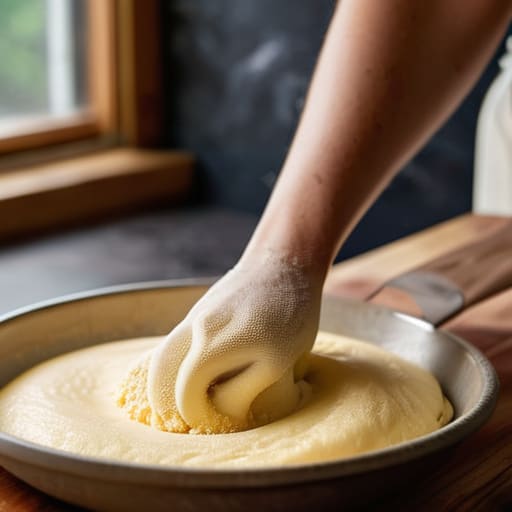
- Treat your flour like a guest, not a combatant; when you fold it in, you aren’t mixing, you’re tucking it in, because if you’re aggressive with the spatula, you’ll pop every bubble you just spent ten minutes creating.
- Sift your dry ingredients twice if you have to, because a single clump of flour is a death sentence for your aeration; you can’t whisk air into a lump, and you certainly can’t fix it once it’s in the oven.
- Use a scale, not a cup, for your flour—even a slight variation in how tightly you pack a measuring cup can change your hydration by several percentage points, and a heavy, dense batter will never rise, no matter how much you whisk.
What to carry in your mind when you pick up the whisk
Stop watching the clock and start watching the volume; you aren’t looking for a specific minute mark, you’re looking for that precise moment the batter feels light enough to hold its own weight without collapsing under the pressure of the bowl.
Temperature is your silent partner, so if your eggs are cold from the fridge, don’t expect the air to stay trapped in the fat—get them to room temperature or you’ll be fighting a losing battle against a heavy, dense crumb.
Treat the final fold like you’re tucking a child into bed; if you’re aggressive with the spatula or the whisk at the end, you’ll pop every bubble you spent the last ten minutes building, and no amount of baking powder can fix a bruised batter.
The Soul of the Sponge
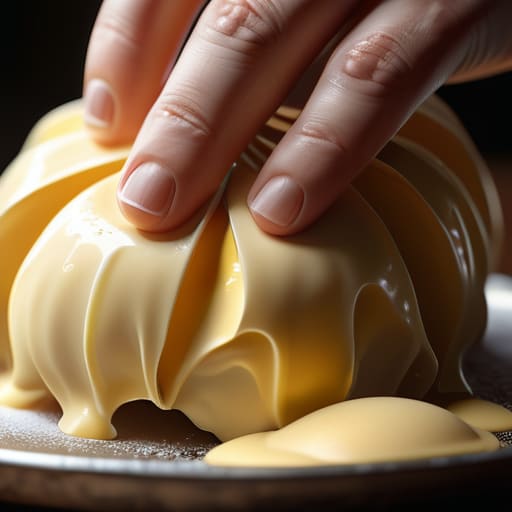
At the end of the day, a successful whisked sponge isn’t about how much muscle you put into your arm, but how well you respect the air. You have to understand that you are building a structure out of nothing but bubbles and protein, and if you treat that batter like a chore to be finished, it will show in the oven. Remember that the temperature of your eggs matters, the speed of your whisk dictates the size of your air pockets, and your ability to fold without deflating is what separates a professional crumb from a heavy, sodden mess. It is a delicate balance of physics and feeling, and once you stop looking at the clock and start looking at the texture of the ribbon, you’ll finally be baking.
Don’t let a collapsed sponge or a dense middle discourage you; even after thirty-four years, I’ve had days where the kitchen humidity decided to ruin my best intentions. Baking isn’t a series of perfect mathematical certainties, even if I do insist on using my scale for every gram of flour. It is a conversation between you, your tools, and the environment around you. If you fail, don’t blame the recipe—check your temperature, check your hands, and try again with a bit more patience. That is the only way to truly learn the language of the dough, and I promise you, the first time you pull a perfect, cloud-like sponge from the oven, it will be worth every early morning.
Frequently Asked Questions
If I'm using a stand mixer instead of my arm, am I more likely to overwork the eggs and lose that delicate structure?
It’s not the machine that overworks the eggs; it’s the person watching the clock. A stand mixer is a tireless worker, but it has no sense of touch. If you leave it running just a minute too long, you’ll pass that perfect, ribbon-stage peak and end up with foam that’s too brittle to hold the flour. Keep your eyes on the bowl, not the timer. If it looks like it’s losing its luster, stop immediately.
My sponge always feels heavy and dense; could I be using a flour with too much protein for this kind of aeration?
It’s possible, but don’t go blaming the flour just yet. If you’re using a high-protein bread flour, you’re building a structure that’s too stubborn for those delicate air bubbles to lift. You want something with less muscle, like a pastry flour. However, if your flour is fine, check your folding. If you’re being too heavy-handed when incorporating the flour, you’re popping the very air you worked so hard to whisk in.
How do I know if my kitchen is too cold for the eggs to hold those air bubbles properly during the whisking stage?
If your kitchen feels like a larder, your eggs are fighting an uphill battle. You’ll know it’s too cold when the whisking feels sluggish; the foam won’t build that stiff, glossy structure, and instead, you’re left with a weeping, heavy liquid that refuses to hold its shape. If the air won’t stay trapped, the temperature is likely stealing your volume. Warm your eggs in a bowl of tepid water first—don’t let the chill win.