I’ve spent thirty-four years watching people try to cheat the clock, and frankly, it breaks my heart. You’ll see them on the internet, buying expensive “turbo” mixers or following those ridiculous recipes that claim you can skip the bulk ferment entirely. They tell you they’ve found a secret to how to bake bread faster, but all they’ve actually done is find a way to make dense, flavorless bricks that taste more like disappointment than grain. If you think you can simply bypass the biological reality of yeast with a gadget or a shortcut, you aren’t baking; you’re just rushing a tragedy.
I’m not going to sell you a magic powder or a new machine. What I am going to do is show you how to work with the physics of your kitchen so you aren’t waiting around for a dough that refuses to move. We are going to talk about managing your water temperature, understanding how a warm proofing environment changes your timeline, and why controlling your environment is the only real way to shave hours off your schedule. I’ll give you the honest truth about how to speed things up without betraying the dough.
The Truth About Accelerating Dough Fermentation
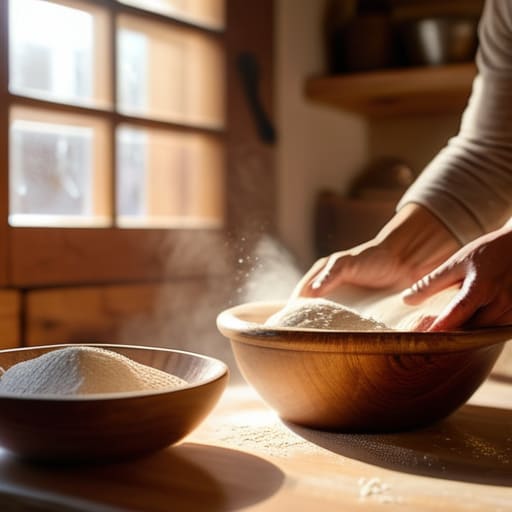
Now, if you’re looking for a way to cheat the clock, you’ll likely start by tinkering with your water. I see people constantly asking about the perfect warm water temperature for dough, thinking that if they just crank the heat, they can trick the yeast into working double shifts. You can certainly nudge things along by raising the temperature, but there is a fine line between a lively fermentation and a dough that smells like a brewery and tastes like nothing. If you push the heat too high, you aren’t just accelerating dough fermentation; you are essentially exhausting the yeast before it ever gets a chance to build structure.
The real secret to shortening proofing time without sacrificing the soul of the loaf isn’t about heat alone—it’s about managing the biology. When I was running the shop, we didn’t use magic; we used movement. If you want to speed things up, focus on how you handle the dough during the initial stages. A more vigorous mix or a slightly higher inoculation of yeast can shave hours off your schedule, but remember: speed is a trade-off. You might get your bread sooner, but you’ll never get that deep, complex flavor back once you’ve rushed it.
Why Warm Water Temperature for Dough Is Not a Shortcut
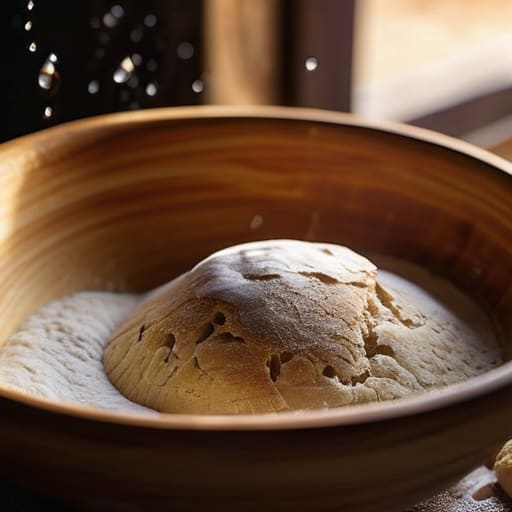
Now, I see people coming into my shop—or rather, coming into my inbox these days—asking if they can just use a splash of hot water to speed things along. Listen to me: using a high warm water temperature for dough is not a shortcut; it is a gamble with your yeast. If you push that water toward the scalding side, you aren’t accelerating anything; you are simply murdering the very organisms that do the heavy lifting for you. You might see a frantic, bubbly rise in the first twenty minutes, but that is the sound of a dying colony.
When you force the pace this way, you end up with a loaf that lacks any real soul or structure. You’ll get a bread that tastes of nothing but raw flour and frantic effort. If you are looking for bread baking efficiency tips, my advice is to find a consistent, gentle warmth—think of a lukewarm bath, not a boiling kettle. You want to encourage the yeast to wake up, not shock them into a frenzy. True fermentation requires a steady hand and a predictable environment, not a thermal assault.
Five Ways to Find Time Without Losing the Soul of the Loaf
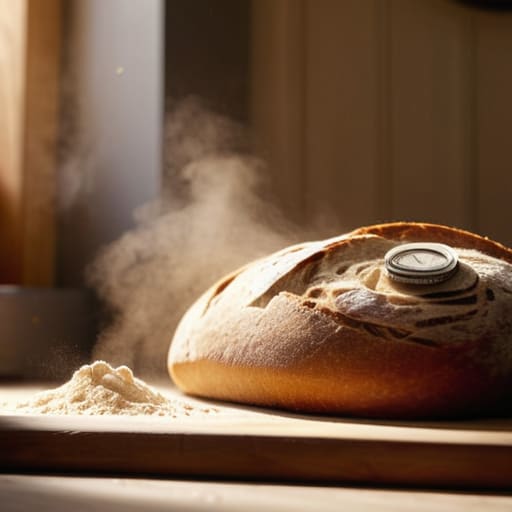
- Use a warmer ambient temperature, not hotter water. If your kitchen is a tomb, the yeast is sleeping; instead of trying to shock the dough with hot water—which just kills the life in it—find a way to keep the room steady. A proofing drawer or even a turned-off oven with the light on provides a gentle hug that lets the yeast work at its own pace rather than forcing it into a frantic, flavorless sprint.
- Master the art of the overnight cold ferment. If you want to “save time” during your busy morning, do the heavy lifting the night before. A dough kept at 4°C in the fridge develops flavor while you sleep, and it’s ready to be shaped and baked when you wake up. You aren’t actually making the bread faster; you’re just moving the labor to a time when you aren’t rushing.
- Increase your inoculation rate, but watch your clock. If you are truly pressed, you can increase your starter percentage from 20% to 30% of your total flour weight. It will move quicker, yes, but don’t be fooled—you are trading complexity for speed. You’ll get a loaf on the table sooner, but you’ll miss that deep, lactic tang that only comes from a slow, patient walk.
- Tighten your shaping technique to build tension quickly. A loose, sloppy dough takes longer to hold its shape and longer to proof because it’s fighting itself. If you shape with purpose—pulling the skin taut and creating a strong surface tension—the dough will hold its structure and respond to the heat of the oven much more efficiently.
- Prep your workstation before the clock starts ticking. Most “lost time” in a kitchen isn’t spent waiting for dough; it’s spent looking for the scale, the bench scraper, or the damn salt. If you have your weights measured and your tools laid out, you can focus entirely on the feel of the dough. When you aren’t fumbling, you aren’t rushing, and when you aren’t rushing, you aren’t making mistakes.
What to Carry Away From My Oven
If you try to cheat time by cranking up the heat, you aren’t making bread; you’re just making a sour, over-proofed mess that lacks structure.
Speed is a thief that steals flavor; if you want a loaf that actually tastes of something, you have to respect the slow, quiet work the yeast is doing.
Control your environment, not your clock—adjust your water temperature or your kitchen’s warmth to suit the dough, but never try to force the dough to suit your schedule.
The Hard Truth About the Clock
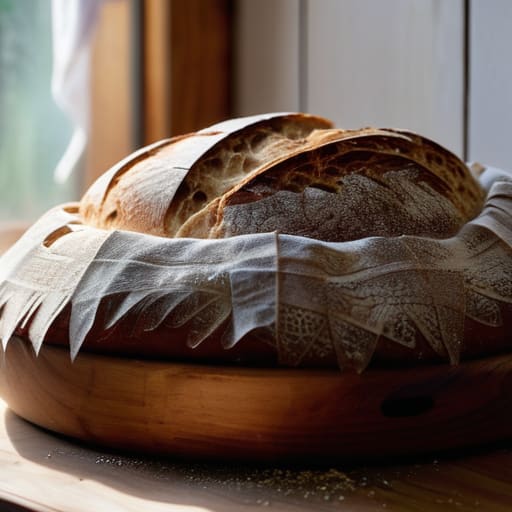
If you’ve followed along, you know I’m not going to give you a magic wand to skip the biology of bread. We’ve talked about why cranking up the heat or using lukewarm water is a fool’s errand that only results in a sour, weak structure, and why true fermentation requires the steady hand of temperature control rather than brute force. You can try to cheat the clock with higher yeast counts or warmer proofing boxes, but you’ll find that you aren’t actually making bread faster; you are simply trading depth of flavor for a frantic pace. If you rush the rise, you lose the very things that make a loaf worth the flour—the complex aroma, the airy crumb, and that beautiful, chewy crust that only comes from patience.
At the end of the day, baking isn’t a race against the sun, even if my old bakery schedule made it feel like one. There will be days when your kitchen is too cold or your schedule is too tight, and you’ll feel the urge to cut corners. When that happens, remember that time is your most valuable ingredient, and it’s one you can’t buy back once you’ve wasted it on a collapsed loaf. Stop looking at the timer and start feeling the dough under your palms. When you learn to listen to the grain instead of the clock, you’ll realize that the best bread isn’t the one that was finished the quickest, but the one that was allowed to become itself.
Frequently Asked Questions
If I use a higher hydration dough to speed things up, am I just making it harder to handle?
You’ve hit the nail on the head. Increasing your hydration—say, moving from a 65% to a 75% dough—will certainly speed up the fermentation because those microbes have a much easier time moving through a liquid environment. But you aren’t getting “fast” bread; you’re just trading time for difficulty. You’ll find the dough much more slack and sticky, demanding more strength and better tension from your hands to keep it from turning into a puddle.
Can I use commercial yeast to cut my bulk fermentation time in half without losing the flavor?
You can, but you’re trading soul for speed. If you swap my sourdough starter for commercial yeast to shave off hours, you aren’t just cutting time; you’re cutting the complexity that comes from those slow, wild microbes working their magic. Yes, the dough will rise faster, but the flavor will be flat—just a hint of “yeasty” rather than that deep, tangy character. If you must use it, watch your temperature closely; commercial yeast is impatient and can run away from you.
Is there a way to use a proofing box or a warm oven to trick the dough into rising faster without killing the yeast?
You can certainly use a proofing box or a turned-off oven with the light on, but don’t go chasing high heat. You’re looking for a steady 26°C to 28°C. If you push it toward 35°C just to shave off twenty minutes, you aren’t “speeding things up”—you’re just stressing the yeast and producing off-flavors that taste more like beer than bread. A gentle, consistent warmth is a nudge, not a shove.