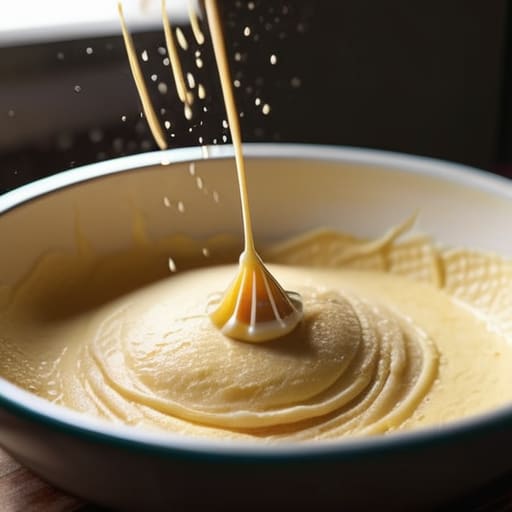
I remember a Tuesday morning, back when the bakery was still mine and my shoulders didn’t ache quite so much, when I stared down a batch of ciabatta that looked more like a puddle of soup than a fermented dough. My apprentice was frantic, reaching for the flour bin to “fix” it, but I stopped him with a look. People think that learning how to handle wet dough means buying expensive high-protein flour or fancy silicone tools, but they’re wrong. Most of the time, you aren’t fighting a bad recipe; you’re just fighting a lack of patience and a misunderstanding of how water behaves when it meets gluten.
I’m not here to give you a list of complicated gadgets or tell you to dump more flour into your bowl until the dough becomes a heavy, lifeless brick. Instead, I’m going to teach you how to read the tension in your hands and how to use time and technique to build structure where there seems to be none. We’ll talk about hydration percentages, the magic of coil folds, and why your kitchen temperature might be the real culprit. I promise you this: once you learn to trust the feel of the mass rather than the fear of the stickiness, you’ll finally bake the bread you actually intended to.
Mastering Sourdough Hydration Management Through Feel
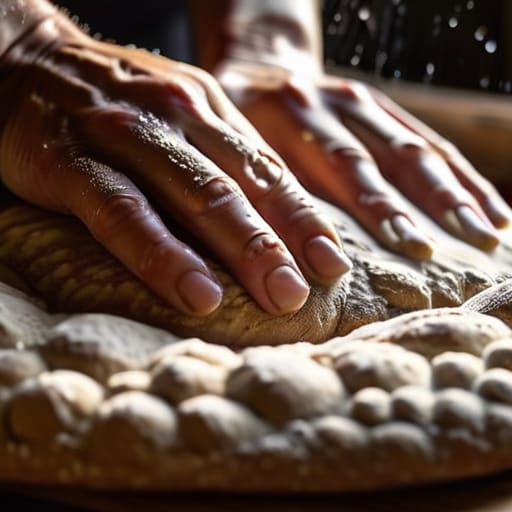
You have to stop looking at the clock and start listening to the dough. When I was running the shop, I’d see people staring at their timers, panicking because their mass looked like a puddle of soup. But a puddle is often just a dough that hasn’t found its strength yet. True sourdough hydration management isn’t about a fixed number on a page; it’s about the tension between the flour and the water. If you’re working with a 78% or 80% hydration loaf, it won’t look like the stiff, manageable ball you’re used to. It will feel unruly, almost alive, and that is exactly where it should be.
Instead of fighting it, use the stretch and fold method to build that internal architecture. Don’t reach for more flour—that’s the fastest way to kill your crumb. Every time you pull a corner of the dough up and fold it over itself, you are teaching those gluten strands how to hold onto the water. You’ll feel the dough transition from a slippery, chaotic mess into something that offers a bit of resistance, a slight spring back that tells you the structure is finally waking up.
Finding the Balance in Your Flour vs Water Ratio
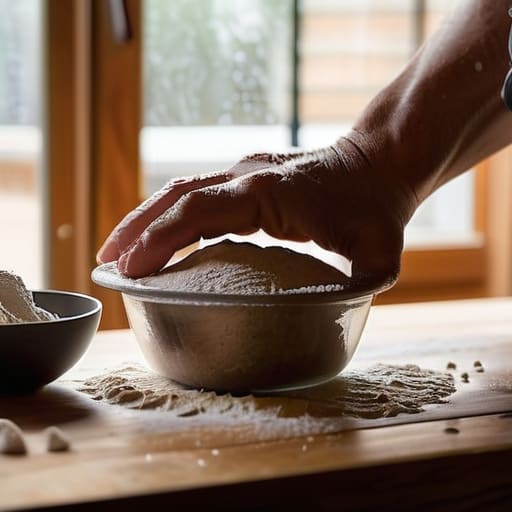
Now, let’s talk about the math, because if you want to master your flour vs water ratio, you have to stop thinking in terms of “more” or “less” and start thinking in percentages. I never once looked at a cup of flour in my life; I looked at the weight. If you’re working with a 75% hydration dough, that means for every 1,000 grams of flour, you have 750 grams of water. It sounds simple enough on paper, but the reality of your flour changes every single day. Depending on the humidity in your kitchen or even how long that bag has been sitting in your pantry, your flour might be thirstier than it was yesterday.
When you’re adjusting your recipe, don’t just eyeball it. If you feel the dough is losing its structural integrity, don’t go dumping a handful of flour onto the bench like a panicked amateur. That’s how you end up with a dense, heavy loaf. Instead, try incorporating small amounts of flour into the mix during your folds. Using a proper stretch and fold method allows you to build strength and tension without turning your beautiful, airy dough into a brick. You aren’t just adding bulk; you’re teaching the dough how to hold itself up.
Five Ways to Stop Fighting Your Dough and Start Working With It
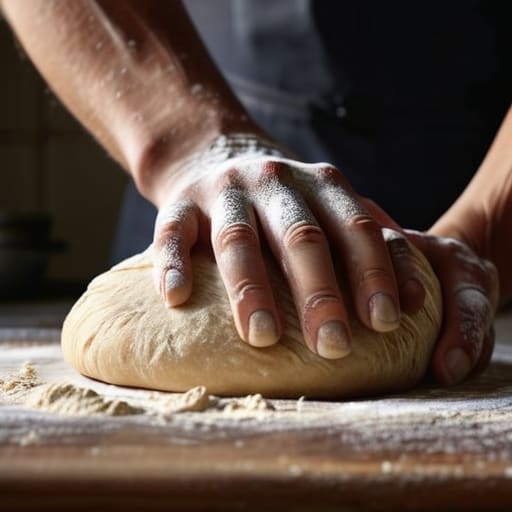
- Stop the flour panic. When you see a pool of water or a sticky mess, your instinct is to grab the bag and start dumping flour in to “fix” it. That is the fastest way to turn a beautiful, high-hydration dough into a dense, heavy brick. Instead, give it twenty minutes. Let the flour actually do its job and hydrate. Most of the time, what looks like a disaster is just a dough that hasn’t met its water yet.
- Use the coil fold, not the squeeze. If you try to knead a high-hydration dough like a standard white loaf, you’ll just end up with dough stuck to your knuckles and a bruised gluten structure. Use coil folds—lifting the dough from the middle and letting it tuck under itself. It builds tension without tearing the delicate network you’re trying to grow.
- Temperature is your invisible ingredient. If your dough feels like it’s melting through your fingers, your kitchen is likely too warm, which speeds up fermentation and softens the structure. If you’re struggling with a dough that won’t hold its shape, try a short rest in a cooler part of the house. A slightly cooler dough is a more cooperative dough.
- Wet your hands, don’t flour them. This is a small trick that saves a lot of heartache. If you are working with an 80% hydration dough, a dusting of flour on your hands will just get absorbed and turn into a tacky glue. Keep a small bowl of water nearby. A wet hand will glide over a sticky dough, allowing you to manipulate it without it clinging to you like a desperate child.
- Trust the tension, not the look. A wet dough will never look like those stiff, perfectly shaped loaves you see in glossy magazines. It will look slack, shiny, and perhaps a bit unruly. Don’t keep adding structure until it looks “right”; keep adding it until it feels right. You are looking for that moment where the dough resists your touch slightly rather than just flowing around it.
Three Things to Remember When the Dough Gets Away From You
Stop reaching for the flour bag the moment you feel a bit of stickiness; most of the time, what you actually need is more time for the gluten to relax and the water to find its place.
Trust your hands over your eyes, because a dough that looks like a puddle can still have the strength to hold a beautiful shape if you’ve managed your folds and temperature correctly.
Remember that hydration isn’t a fixed number but a moving target influenced by your kitchen’s humidity and the thirst of your flour, so always be prepared to adjust your approach mid-stream.
Trust the Hands, Not the Panic
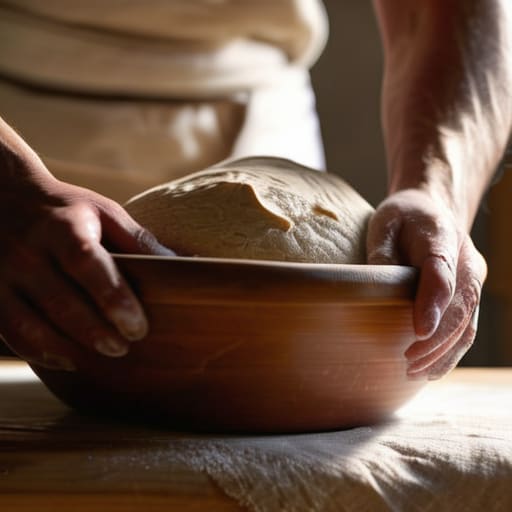
At the end of the day, managing a high-hydration dough isn’t about mastering a mathematical formula; it’s about learning to respect the rhythm of the fermentation. We’ve talked about why your ratios might be throwing you off and how to read the tension in a sticky mass, but remember that the dough is a living thing. If it’s running through your fingers, don’t reach for the flour bag like it’s a life raft. Instead, look at your temperature, check your salt, and give those folds the time they actually need to build strength. Most “wet dough” problems are just impatient hands trying to force a structure that hasn’t had the chance to grow yet.
I spent thirty-four years watching flour and water turn into something beautiful, and I can tell you that the most rewarding loaves always come from the ones that felt a bit unruly on the bench. Don’t let a sticky mess discourage you from the craft. Every time a dough feels unmanageable, you aren’t failing; you are simply learning exactly where the line sits between a liquid mess and a masterpiece. Patience is the only ingredient you can’t buy in a bag, so take a breath, keep your hands wet, and let the dough tell you when it’s ready.
Frequently Asked Questions
If I’ve already added too much water to my starter or my main dough, is there any way to salvage it without just adding a mountain of extra flour?
Don’t go throwing a mountain of flour at it; you’ll just end up with a dense, flavorless brick. If it’s the starter, feed it more flour and wait. If it’s the main dough, try a series of gentle coil folds to build strength instead of adding weight. If you absolutely must add flour, do it in tiny increments—maybe 2% or 3% at a time—and let the dough rest. Let the hydration settle before you panic.
How can I tell if my dough is actually "high hydration" and needs more technique, or if it’s just a mess because my flour quality is poor?
Look, if you’re staring at a puddle and wondering if it’s “artisan” or just bad flour, check the strength. High hydration dough should feel alive—it’s tacky, yes, but it holds a tension, a certain structural memory that pulls back when you stretch it. If your dough just slumps into a lifeless, grainy soup regardless of how much you fold it, your flour is likely lacking the protein to hold that water. You can’t build a cathedral with sand.
When working with a very wet dough, how do I know when I've done enough folds to build strength without overworking the gluten and making it tough?
You’ll know you’ve done enough when the dough stops feeling like a puddle of soup and starts feeling like a living thing. It should hold a shape for a few seconds before relaxing, showing a bit of tension and a smooth, taut skin. If it’s still tearing easily or feels limp and greasy, give it another set of folds. But if it starts fighting back against your hands, stop. You want strength, not a rubber tire.