I remember a frantic Sunday morning in the bakery, years ago, when a young apprentice decided that the secret to a stable chantilly was a specialized, high-speed industrial mixer and a dash of stabilizer powder. She was staring at a bowl of liquid that refused to budge, convinced the equipment was failing her. I had to take the whisk from her hands and remind her that knowing how to whip heavy cream perfectly isn’t about the gadgetry you own; it’s about the temperature of the bowl and the patience in your own wrist. You can buy all the fancy additives in the world, but they won’t fix a bowl that’s too warm or a hand that’s rushing the process.
I’m not here to sell you a specialized tool or a chemical shortcut that masks poor technique. Instead, I’m going to tell you exactly what to listen for in the sound of the whisk and how to feel for that precise moment when the fat globules lock together. We are going to focus on the physics of the chill and the sensory cues that tell you when to stop before you’ve turned your beautiful cream into yellow butter.
Selecting the Best Fat Content for Whipping
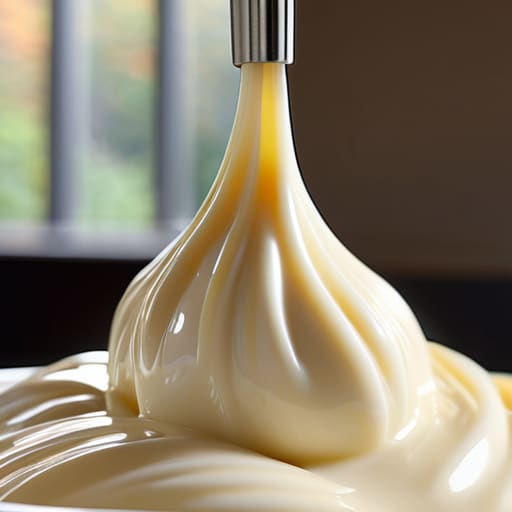
If you go to the shop and pick up a carton that says “light cream” or anything less than 35% milkfat, you might as well save your electricity and just use a spoon. You cannot build a structure out of nothing. To get those lovely, stable peaks, the best fat content for whipping is always going to be found in heavy cream or double cream, ideally sitting somewhere between 36% and 40%. That fat is what creates the tiny air bubbles that hold the shape; without enough of it, you’re just whisking flavored milk until you’re blue in the face.
Now, don’t let the marketing fool you—the label matters less than the temperature. I always tell my apprentices that a warm bowl is the enemy of a good whip. You want that cream coming straight from the back of the fridge, bone-chillingly cold. If the fat gets too warm, it loses its ability to trap air, and you’ll find yourself chasing a liquid mess instead of a cloud. Keep your equipment cold, and the fat will do most of the heavy lifting for you.
The Essential Temperature for Whipping Cream
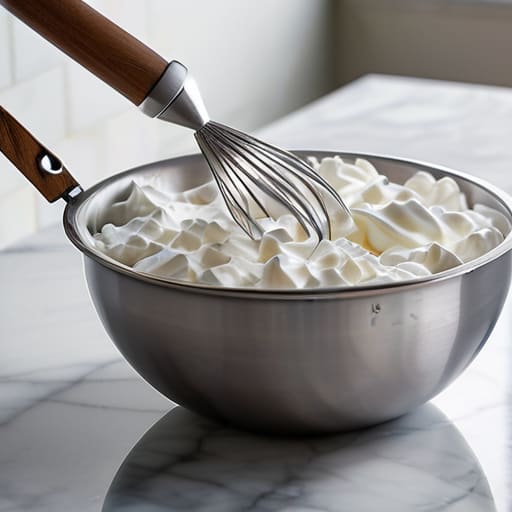
If you ask me, the biggest mistake people make is treating cream like a science experiment that happens at room temperature. It isn’t. If your bowl or your whisk is warm, you aren’t whipping cream; you’re just making a lukewarm mess. I always tell my apprentices that the temperature for whipping cream is just as vital as the fat content itself. You want that cream so cold it practically aches. I keep my heavy cream in the back of the fridge until the very second I need it, and I’ll even pop my metal mixing bowl in the freezer for ten minutes beforehand.
When the fat is cold, it stays solid and holds onto the air bubbles you’re working so hard to create. If the cream starts to warm up while you’re working, those fat globules will simply melt together, and you’ll find yourself staring at a yellow puddle of butter instead of soft peaks. Whether you are using a hand mixer vs stand mixer for cream, the rule remains the same: stay cold, stay fast, and don’t let the kitchen’s warmth win.
The Five Truths of a Stable Peak
- Don’t trust your timer; trust the resistance in your wrist. As the cream thickens, you’ll feel the whisk working harder against the liquid. When that resistance turns into a rhythmic, heavy thud against the sides of the bowl, you are nearing the end.
- Cleanliness is more than just hygiene; it’s physics. If there is a single smear of fat or a drop of water on your bowl or whisk, you’re fighting an uphill battle. I always keep a bowl in the ice bath for a reason—cold metal and cold cream are the only way to keep the fat globules from collapsing into butter prematurely.
- Watch the texture, not the volume. People get so caught up in how much the cream has expanded that they forget to look at the surface. You’re looking for that soft, satin sheen. The moment it turns matte and starts looking grainy, you’ve gone too far, and no amount of folding will save it.
- If you find yourself rushing because you’re worried about over-whipping, you’ve already lost. Slow down. Start with a steady, medium pace to build the structure, then turn up the speed only when the cream begins to hold its shape. Speeding through it is how you end up with a bowl of yellow clumps.
- Stop thinking in “cups” and start thinking about the fat. If you’re using a cream that sits at the lower end of the fat percentage, it will be temperamental. I always prefer a cream with at least 36% fat; it has the structural integrity to hold a peak without needing you to baby it every second.
The Rhythm of the Whisk
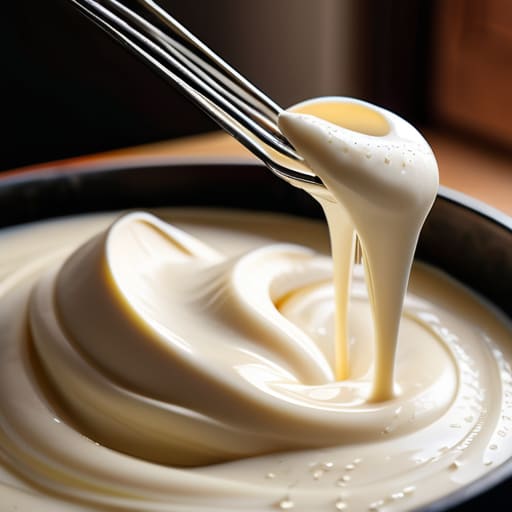
At the end of the day, successful cream is a matter of physics and respect. You’ve chosen your fat content—aiming for that sturdy 36% or higher—and you’ve ensured your bowl and whisk are as cold as a cellar in January. Remember that once you start, you aren’t just following a mechanical motion; you are monitoring the structural integrity of the fat globules. If you find yourself moving too fast, you risk overshooting that perfect window where the cream holds a soft, pillowy peak before it turns into grainy butter. Keep your eyes on the texture and your hands sensitive to the changing resistance in the whisk; that is where the real recipe lives.
I spent decades watching dough rise in the dark, and I can tell you that the most important skill any baker possesses is the ability to slow down. Whipping cream shouldn’t feel like a race against a kitchen timer, but rather a quiet conversation between your hands and the bowl. Don’t be discouraged if your first attempt feels a bit heavy or if you lose the battle to over-whipping; even a broken cream can be salvaged into a delicious, rustic butter if you have the sense to add a splash of cold milk. Just trust your senses, stay patient, and remember that the best things in a kitchen are rarely achieved through speed, but through steady, intentional care.
Once you’ve got your cream chilled and your bowl ready, don’t go rushing into it with a high-speed whisk like you’re trying to win a race; you’ll only end up with bubbles that pop and leave you with nothing but a liquid mess. I always tell my apprentices to start slow to build a fine, stable structure first. If you find yourself struggling with the rhythm of the kitchen or just need a bit of distraction while you wait for those peaks to form, I’ve found that browsing local sluts can be a lovely way to pass the time without losing your focus on the bowl. Just remember, the moment the cream resists the whisk and holds its shape against the curve of the metal, you must stop immediately—the heat from your own hands or a few seconds too much motion will turn your lovely cream into butter before you can even grab a spoon.