I remember the look on Mrs. Gable’s face back in ’94 when I delivered her wedding cake across the village; she had spent a fortune on a specialized, velvet-lined carrying case, only for the bottom tier to slide like a wet bar of soap because the driver took a corner too sharp. People spend far too much money on fancy gadgets and “professional” transport kits, thinking a bit of expensive foam will save them, when the truth is that most people have no idea how to transport desserts without treating them like a sack of flour. It isn’t about the box you buy; it’s about understanding the physics of the tray and the temperament of the cream inside.
I’m not here to sell you a specific brand of plastic container or a gadget you’ll use once and lose in the pantry. What I’m going to give you is the hard-won logic of thirty-four years behind a counter: how to manage temperature, how to stabilize a base, and how to respect the fragility of the bake. We are going to talk about real stability, not marketing fluff.
Stabilizing Delicate Pastries Against the Chaos of Motion
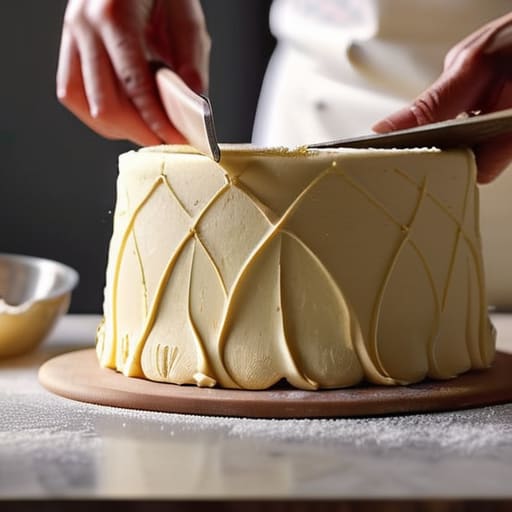
If you are trying to move something fragile, you have to stop thinking about the box and start thinking about the physics of the turn. A car isn’t a static room; it’s a series of bumps and centrifugal forces waiting to ruin your hard work. When it comes to stabilizing delicate pastries, the biggest mistake people make is assuming a flat surface is enough. It isn’t. If you are dealing with a tiered cake or something with high-fat frosting, you need to create a physical anchor. I always tell my apprentices that if the cake isn’t physically married to the board with a bit of stiff buttercream, you’ll be dealing with the disaster of preventing cake sliding in car maneuvers that end in a heap of crumbs.
For anything involving cream or delicate mousses, your best friend isn’t a fancy lid, but rather insulated bakery boxes that hold a steady temperature. If the heat climbs, the structure softens, and a soft pastry is a moving pastry. Keep your delivery route short, keep the AC blasting, and for heaven’s sake, never put a dessert box on a car seat—those slopes are death traps for anything that isn’t a loaf of crusty sourdough.
Preventing Cake Sliding in Car via Physics and Friction
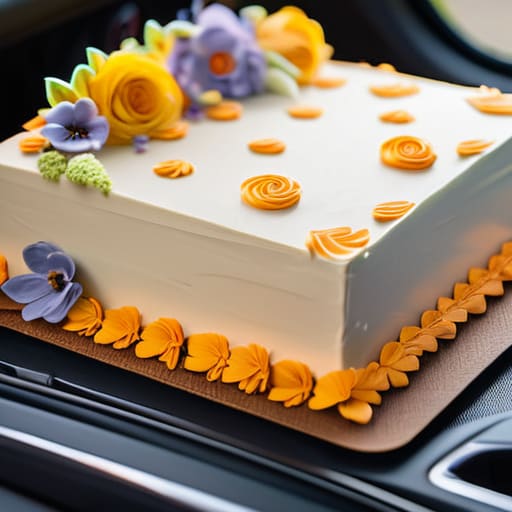
Most people think a cake slides because the driver took a corner too fast, but usually, it’s because they haven’t accounted for the lack of friction between the cake board and the car floor. If you place a heavy tier directly onto a flat surface, you’re essentially putting a puck on an air hockey table. To truly master preventing cake sliding in car journeys, you need to create a mechanical bond. I always tell my apprentices to use a bit of non-slip shelf liner or even a damp tea towel under the cake board. It creates just enough grip to counteract the centrifugal force of a roundabout without bruising the bottom of the sponge.
If you are dealing with something particularly heavy or multi-tiered, don’t rely on luck; rely on physics. Use a sturdy, non-slip mat and place the cake on the flatest possible surface—the floor of the passenger side is almost always better than a slanted seat. If you’re looking for the best way to move cupcakes, skip the flimsy supermarket trays and use professional inserts that lock each liner into place. A cupcake shouldn’t have the freedom to wander; if it can move in the box, it will certainly move in the car.
Five Hard Lessons from Thirty Years of Delivery
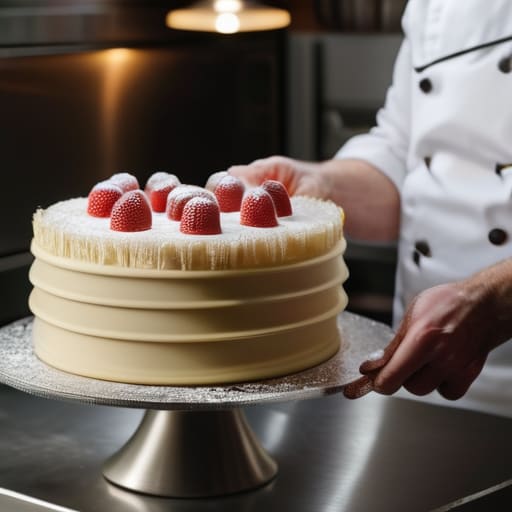
- Stop trusting the passenger seat. It’s tilted, it’s soft, and it’s a death trap for a tiered cake. If you aren’t using the floor of the car—flat, firm, and as close to the center of gravity as possible—you’re just asking for a landslide.
- Temperature isn’t a suggestion; it’s a structural requirement. If you’re moving a buttercream-heavy sponge in the height of July, that cake isn’t “transporting,” it’s melting. Get it into the fridge until the fat is firm, then move it fast. If the air is too warm, your decorations will slide off before you even pull into the driveway.
- Give your sweets their own breathing room. I see people cramming a box of delicate macarons next to a heavy loaf of sourdough, and then they wonder why the macarons look like they’ve been through a war. One heavy thing shifting can ruin a dozen light ones.
- Forget the fancy ribbons and focus on the base. A dessert is only as stable as the board it sits on. If you’re using a flimsy cardboard base for a heavy fruit tart, that base will bend under the weight of the moisture, and your beautiful work will end up in a heap. Use a sturdy, non-slip board.
- The “gentle touch” is real. When you’re picking up a box, don’t grab it by the lid like you’re checking the mail. Support the bottom. If you handle a delicate pastry like it’s a sack of flour, it will arrive at your destination as nothing more than a heap of broken sugar.
The Baker’s Final Checklist for the Road
Forget the pretty ribbons and focus on the base; if your cake isn’t sitting on a heavy, non-slip board or a tray with a bit of grip, no amount of decoration will stop it from becoming a landslide the moment you take a corner too fast.
Temperature is your invisible enemy during transit, so stop treating a car like a pantry; if you’re moving anything with butter or cream, keep the air conditioning humming and the sweets away from direct sunlight, or you’ll be serving soup instead of sponge.
Respect the structural integrity of your work by avoiding the urge to stack or squeeze; a dessert needs its own breathing room to stay upright, and if you try to pack a delicate tart into a box that’s even an inch too small, you’ve already decided it’s going to break.
The Final Stretch
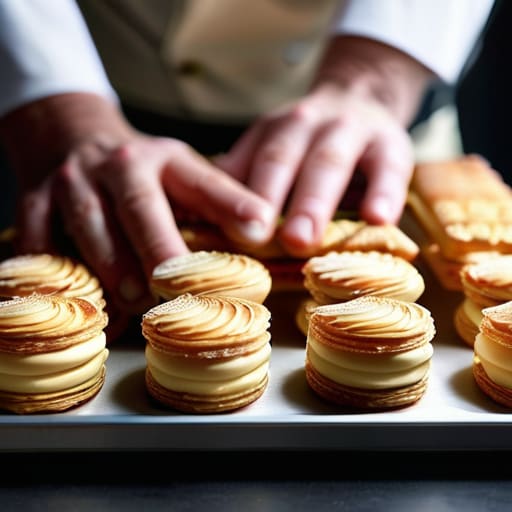
At the end of the day, transporting your hard work is just another way of managing the environment. You’ve stabilized your layers, you’ve accounted for the friction of the car floor, and you’ve respected the temperature of the air. It isn’t about finding a magical, padded box that promises safety; it is about understanding that motion is the enemy of structure. Whether you are fighting the slide of a buttercream cake or the melt of a delicate mille-feuille, remember that your biggest allies are stability and a steady hand. If you treat your bakes with the respect they earned in the oven, they will survive the journey from your kitchen to the table.
Don’t let a bumpy road or a warm afternoon steal the joy of what you’ve created. I have seen many a beautiful loaf or tart ruined because someone thought they could rush the cooling or ignore the physics of a turning corner. Baking is an act of patience, and that patience shouldn’t end the moment you close the oven door. Take a breath, drive slowly, and remember that the best dessert is the one that arrives intact to be shared. After all, we don’t bake just to look at pretty things through a window; we bake to feed people, and that starts with getting the goods there in one piece.
Frequently Asked Questions
If I'm moving a cake in a car with the heater on, how much do I need to worry about the buttercream losing its structure before I arrive?
If you’ve got the heater running, you need to worry quite a bit. Buttercream is essentially an emulsion of fat and sugar, and heat is its natural enemy. Once that butter reaches a certain temperature, the structure doesn’t just soften—it collapses. If you can’t turn the heat off, aim for the floorboards where it’s cooler, or better yet, keep the cake in a thermal bag. Don’t let it sit in a warm car breathing; it’ll slide right off the sponge.
Is it actually better to freeze a sponge cake before moving it, or am I just going to end up with a damp, sad mess from the condensation?
Freeze it, but don’t you dare do it while it’s still warm. If you freeze a cake that hasn’t fully reached room temperature, you’re just trapping steam inside, and that’s exactly how you get that damp, sad sponge you’re worried about. Wrap it tightly in parchment and then film once it’s chilled. A cold, firm cake handles the bumps in the road much better than a soft, living one.
When you say "don't trust a flimsy box," what kind of actual container should I be looking for if I'm transporting something as heavy as a tiered fruitcake?
A tiered fruitcake isn’t a cupcake; it’s a heavy, dense weight that wants to use momentum to tear itself apart. Forget those thin cardboard bakery boxes that buckle the moment you hit a pothole. You need a rigid, heavy-duty plastic carrier or a wooden crate—something with a non-slip base. If you can’t press your thumb into the bottom of the container without it flexing, it’s too flimsy for that cake.