I remember a Tuesday morning back in ’94, the air in the bakery thick with the scent of yeast and the damp chill of a frost that wouldn’t quit. I was staring down a batch of chocolate ganache that had decided to turn into something resembling grainy, grey sand instead of silk. My apprentice looked at me like I’d lost my mind, but I knew better; it wasn’t a tragedy, it was just a lesson in temperature. Most cookbooks will tell you that a ruined emulsion is a sign of a bad recipe or a lack of skill, but they never mention that sometimes the air in your kitchen is simply working against you. If you are currently staring at a curdled custard or a broken buttercream, wondering how to rescue a split or seized dessert, stop reaching for the bin.
I’m not going to sell you on some expensive stabilizer or a “magic” gadget you don’t need. Instead, I’m going to tell you why your fats and liquids have stopped speaking to one another and how to coax them back into a marriage. We are going to talk about heat, steady hands, and the physics of the bowl. I promise to show you how to fix these mistakes using nothing but patience and precision, because once you understand the movement of the ingredients, you’ll never fear a broken sauce again.
Preventing Chocolate Seizing Before the Grain Sets
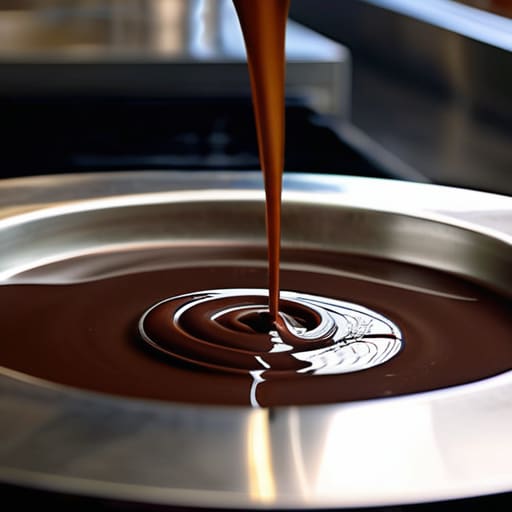
Prevention is always easier than a frantic rescue mission, especially when you’re working with something as temperamental as chocolate. Most people think seizing is a mystery, but it’s usually just a matter of moisture control. Even a single stray droplet of water from a steam bath or a damp spoon can turn a silky bowl of couverture into gritty, unusable sludge. If you want to master preventing chocolate seizing, you must treat your workspace like a clean room. Keep your tools bone-dry, and never, ever let steam escape from a bain-marie directly into your chocolate bowl.
Temperature is your other silent partner. When you are emulsifying broken dessert components, like adding fat to a liquid base, you cannot rush the marriage. If you pour hot cream into chocolate too quickly, or if the temperatures are wildly mismatched, the fat and the solids will simply refuse to shake hands. I always tell my apprentices to aim for a gentle, steady warmth. If you keep your ingredients within a reasonable range of one another, the structure will hold itself together without you having to fight it.
Emulsifying Broken Dessert Components With Gentle Hands
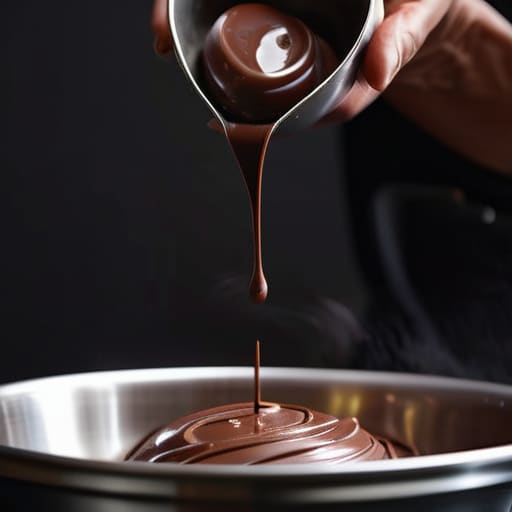
Now, if the damage is already done and you’re staring at a bowl of grainy, separated mess, don’t go throwing the whole batch in the bin just yet. Whether you are fixing broken chocolate ganache or dealing with a custard that looks more like scrambled eggs than a silk cream, the solution is almost always a matter of slow, controlled re-integration. If it’s a ganache that has split, you likely introduced the cream too fast or the temperature dropped too sharply. Take a small amount of warm, liquid milk or cream—just a tablespoon at a time—and whisk it into the center of the mess. You aren’t looking for speed; you are looking for a steady, rhythmic emulsion that coaxes the fats back into the liquid.
When it comes to remedies for curdled sauces or split custards, the secret is often heat management. If your custard has split, it’s because the proteins panicked and tightened up. To fix this, pass the mixture through a fine-mesh sieve to catch the largest clumps, then slowly whisk in a tiny splash of cold cream. This helps stabilize the temperature and can often coax the proteins back into a smooth state. Remember, you are working with the ingredients, not against them. If you fight a broken emulsion with aggression, you’ll only end up with more grease and more frustration.
Five Ways to Mend a Broken Batter or Ganache
- If your chocolate has seized into a gritty, clumped mess, don’t throw it out just yet; try whisking in a teaspoon of boiling water or a tiny bit of neutral oil. It sounds counterintuitive to add liquid to something that just went dry, but often you’re just trying to re-establish the emulsion that the moisture lost.
- When a custard or a heavy cream sauce starts to look curdled and split, it’s usually because you’ve been too aggressive with the heat. Take it off the flame immediately and whisk in a splash of room-temperature milk or cream—slowly, mind you—to help the fats and liquids find their way back to each other.
- For those moments when a butter-based batter looks like it’s separating into yellow oil droplets, stop stirring like you’re trying to win a race. Add a tablespoon of your measured flour, one at a time, and fold it in with a light hand; the starch will act as a bridge to pull those fats back into the structure.
- If you’re working with a delicate emulsion like a lemon curd and it looks grainy, you’ve likely pushed the temperature too high. Use a warm water bath—not boiling, just warm—and whisk steadily. You are essentially coaxing the proteins to relax so they can hold onto the moisture again.
- Never try to fix a broken dessert while you’re feeling frustrated. If you’re fighting the bowl, you’re fighting the ingredients, and the dough or cream will feel it. Step back, let the temperature stabilize, and come back to it with a steady hand and a bit of patience; most things can be saved if you stop rushing them.
Lessons from the Bench: What to Remember When Things Go Wrong
Temperature is your silent partner; whether it’s a chocolate ganache seizing or a custard splitting, the culprit is almost always a sudden, violent change in heat rather than a flaw in your ingredients.
Stop fighting the dough or the emulsion; if a mixture looks broken, your instinct will be to stir harder, but that only drives the fat further away from the liquid—you must step back, add a tiny bit of warmth or a splash of liquid, and let the ingredients find each other again.
Trust your hands over your eyes; a photograph can show you a perfect finish, but your fingertips will tell you if a cream is truly emulsified or if a dough is actually hydrated enough to move.
The Final Fold
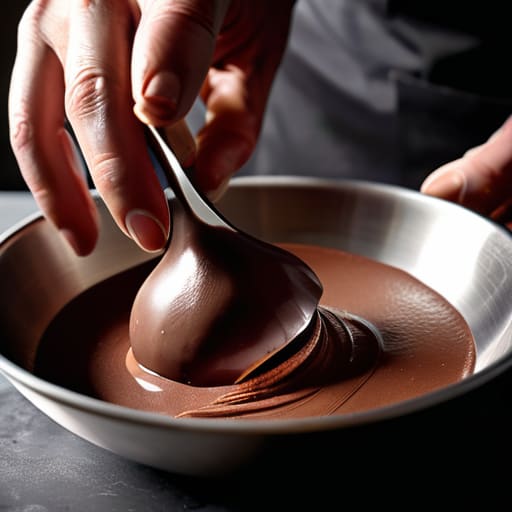
At the end of the day, rescuing a split ganache or a seized chocolate is about understanding that you are working with living, temperamental things. Whether you are coaxing a broken emulsion back together with a splash of warm liquid or using the steady heat of a gentle bain-marie to smooth out those stubborn grains, remember that precision matters more than speed. You cannot bully a dessert into submission; if the fat has separated or the sugar has crystallized, you must meet it with patience and the right temperature. Keep your weights exact, your hands steady, and your heat low, and most of the time, you will find that the damage is rarely permanent if you stop fighting the ingredients and start listening to them.
I have spent more years than I care to count staring at ruined batches in the dim light of a four o’clock morning, and I can tell you this: a mistake is often just a lesson in disguise. A seized chocolate might end up as the base for a delicious truffle, and a split cream might become the most decadent frosting you’ve ever tasted. Don’t let a bit of grit or a broken texture make you think you’ve lost your touch. Baking is a conversation between you and the elements, and sometimes, the most beautiful results come from the moments when we have to pick up the pieces and try again.
Frequently Asked Questions
If my ganache has already turned grainy and thick, is there any way to save it without just starting over with new chocolate?
Don’t go tossing that chocolate in the bin just yet. If your ganache has gone grainy, it’s likely because the fat and liquid have decided they no longer want to be friends. Try adding a tablespoon of warm, whole milk or heavy cream—not cold, mind you—and whisk it in vigorously. If it’s stubborn, a tiny bit of room-temperature butter can act as a bridge. You’re just trying to coax those fats back into suspension.
I know temperature is everything, but how can I tell if my melted chocolate is actually too hot or if it’s just being temperamental?
It’s the difference between a temper tantrum and a total meltdown. If it’s just being temperamental, the chocolate will look slightly dull or grainy, but it’ll still flow like silk once you give it a moment to settle. If it’s actually too hot, you’ll see it turn into a thick, clumpy paste that refuses to move no matter how much you stir. Heat is a thief; once it steals the structure, the texture is gone.
Can I use a bit of fat, like butter or oil, to force a broken emulsion back together, or will that just make the texture worse in the end?
You can, but don’t just pour it in and hope for the best. If you’re working with a broken sauce or a custard, adding a tiny bit of warm fat can act as a bridge, but you must introduce it drop by drop while whisking like your life depends on it. If you dump a knob of butter into a split emulsion all at once, you’re just making a greasy mess. Slow, steady, and warm—that’s the secret.