I remember a young man, barely twenty, coming into my shop one Tuesday morning with a look of absolute defeat. He’d spent his entire weekend trying to master a multi-grain loaf, only to pull out something that looked less like bread and more like a shattered brick full of grit. He’d followed a fancy blog to the letter, but he hadn’t understood the physics of what he was doing. Most people think learning how to add seeds and inclusions is just a matter of tossing a handful of sunflower hearts into a bowl and hoping for the best, but that’s a fast track to a ruined crumb and a heavy, dense mess.
I’m not here to give you a list of expensive, “artisanal” toppings that will only serve to tear your gluten apart. Instead, I’m going to show you the logic of the fold and how to respect your dough’s strength. We’ll talk about hydration adjustments and the exact moment to introduce your textures so you don’t end up with a loaf that’s more debris than bread. No fluff, no fancy photography—just the honest mechanics of getting those flavors to stay exactly where they belong.
Pre Soaking Seeds for Bread to Save Your Hydration
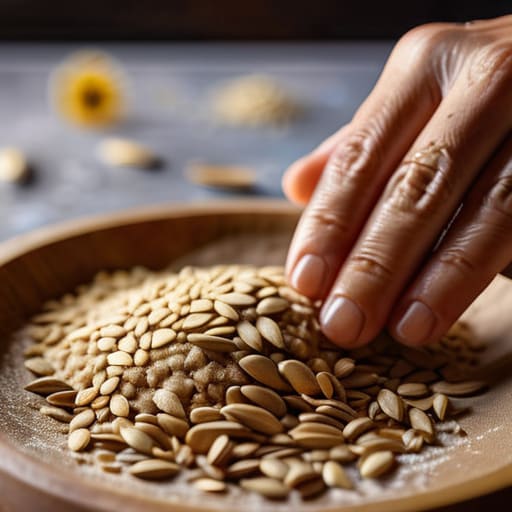
If you’re planning on throwing a handful of sunflower seeds or cracked wheat into your dough, you need to understand one thing immediately: those seeds are thirsty. If you toss them in dry, they will act like little sponges, sucking the moisture right out of your dough during the bulk fermentation. You’ll end up with a crumb that feels tight and unyielding, and you’ll be left wondering why your hydration seems to have vanished overnight. This is the most common hydration impact of seeds that catches beginners off guard.
To avoid a dry loaf, you must practice pre-soaking seeds for bread before they ever touch your flour. I usually soak my seeds in a bit of water—or even better, a portion of the recipe’s total water—for at least a few hours, or even overnight if I’m working with larger grains. You want them plump and satisfied before they meet the dough. When they’re already hydrated, they sit peacefully in the crumb, improving bread texture with inclusions rather than fighting against them for a drink. Just make sure to drain any excess liquid before mixing, or you’ll find yourself chasing a sticky mess you didn’t account for.
The Hidden Hydration Impact of Seeds on Your Dough
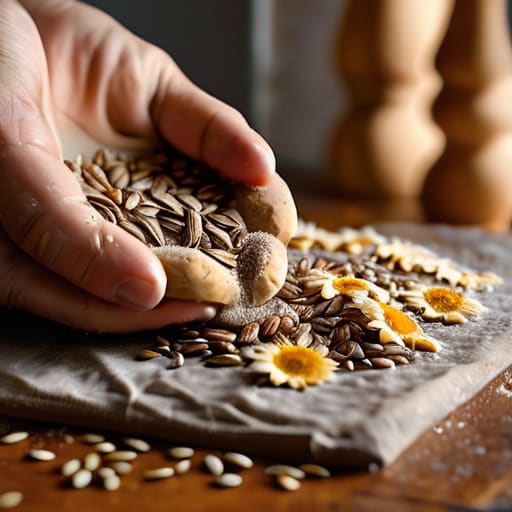
Now, this is where most of you get tripped up. You follow a recipe that calls for 75% hydration, you toss in a handful of flax or sunflower seeds, and suddenly your dough feels like it’s been through a desert. It’s not that the recipe is broken; it’s that those seeds are thirsty. They act like little sponges, pulling moisture away from the gluten network to satisfy their own needs. If you don’t account for this hydration impact of seeds, you’ll end up with a crumb that’s tight, dry, and frankly, a bit disappointing.
When I’m working with a high-inclusion loaf, I don’t just look at the water in the bowl; I look at the total thirst of the mass. If you aren’t pre-soaking, you essentially need to bump your water percentage up by a few points to compensate for what those inclusions are going to steal. I’ve seen too many beginners panic when their dough feels stiff and unmanageable, thinking they’ve over-floured, when really, they just forgot that a seed is just a tiny, dry stowaway looking for a drink. Watch your dough’s tension, not just the clock.
Five Rules for Keeping Your Dough Strong While Adding Texture
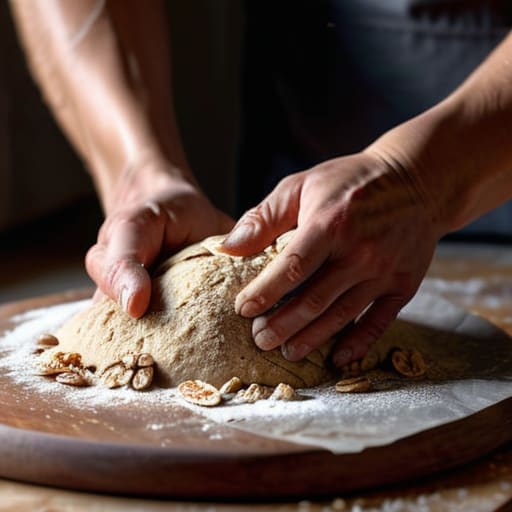
- Don’t be a stranger to the dough; wait until you’ve actually developed some gluten strength before you even think about adding your inclusions. If you dump heavy walnuts or dense sunflower seeds into a weak, unfermented mass, you’ll just tear the structure apart before it ever has a chance to rise.
- Fold, don’t stir. When it’s time to add your seeds, use a gentle coil fold or a series of stretch-and-folds. You want to tuck the inclusions into the dough like you’re tucking a child into bed—firmly but without any aggression—so they stay suspended rather than sinking to the bottom of your loaf.
- Watch your timing with “wet” inclusions. If you’re using something like olives, sundried tomatoes, or even pieces of feta, pat them dry with a paper towel first. I’ve seen too many beginners ruin a perfectly balanced 75% hydration dough because they added inclusions that leaked moisture like a sieve, turning the crumb into a gummy mess.
- Respect the weight of the heavy hitters. If you’re planning on a loaf that is more “stuff” than “bread”—say, a heavy rye with dried fruit—you need to compensate by slightly increasing your dough strength or reducing your total inclusions to about 20% of your flour weight. Anything more and you aren’t baking bread anymore; you’re baking a very difficult salad.
- The “Windowpane” check is non-negotiable. Before you introduce anything that isn’t flour, water, or salt, make sure you can stretch a small piece of dough thin enough to see light through it without it snapping. If the dough can’t handle that test, it certainly won’t handle the weight of a handful of pumpkin seeds.
The Baker’s Checklist for Inclusions
Never treat seeds like flour; if you aren’t soaking them first, they will steal the moisture meant for your gluten, leaving you with a crumb that’s dry and crumbly instead of supple.
Timing is everything—fold your inclusions in during the final stages of bulk fermentation once the dough has already developed its strength, otherwise you’ll tear the structure apart trying to work them in.
Trust your hands over your eyes; if adding a heavy inclusion like walnuts or olives makes the dough feel sluggish or “tight,” stop adding more and let the dough rest until it relaxes back into itself.
Bringing It All Together
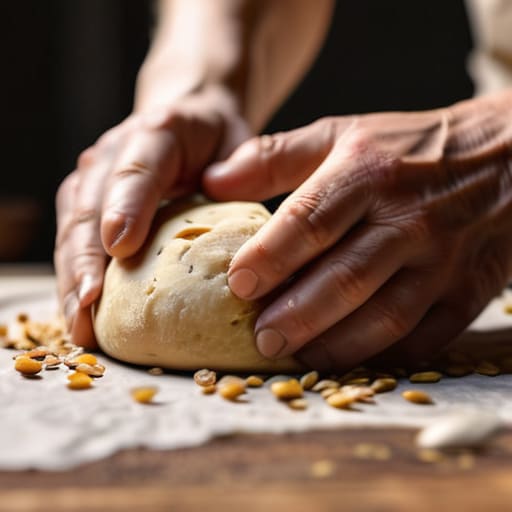
At the end of the day, adding seeds or dried fruits isn’t just about throwing things into a bowl; it’s about managing the chemistry of your dough. You have to respect the way a dry sunflower seed or a handful of raisins will try to steal the moisture right out of your crumb. Whether you decide to pre-soak your inclusions to protect your hydration or you choose to fold them in gently during the final stages to maintain structure, remember that the dough is in charge. If you find yourself fighting a sticky mess or a dough that won’t hold its shape, don’t blame the recipe. Instead, look at your weights, check your temperatures, and adjust how you’re handling those additions. It’s all about balance and foresight.
Don’t let the fear of a messy kitchen or a slightly “off” loaf stop you from experimenting. Some of my favorite breads came from mistakes—a handful of walnuts that went in too early or seeds that weren’t soaked long enough—which taught me more than any perfect bake ever could. Baking is a living thing, and it wants to be worked with, not controlled with an iron fist. So, grab your scale, trust your hands, and remember that patience is your greatest tool. Even if the loaf doesn’t look like a magazine cover, if it tastes of good grain and careful thought, you’ve done it right.
Frequently Asked Questions
If I'm adding a heavy inclusion like walnuts or dried fruit, how much can I add before the dough loses its ability to hold its shape during the final proof?
Listen, if you’re thinking of turning your loaf into a fruitcake, slow down. For most standard doughs, I wouldn’t push your inclusions past 20% or 25% of your total flour weight. Once you go beyond that, those heavy bits act like little wrecking balls, tearing through your gluten structure during the final proof. If the dough feels like it’s struggling to hold its tension, you’ve added too much; back off and let the dough breathe.
Is it better to mix everything in at the very beginning, or should I wait until the gluten is developed and use a series of folds to keep the structure intact?
If you dump everything in at the start, you’ll spend half your morning fighting the dough just to get a decent windowpane. You’ll end up with a tired, slack mass that won’t hold its shape. Wait until the dough has some muscle—after your first or second set of folds—then gently fold your inclusions in. It keeps the structure strong and ensures you aren’t tearing the gluten apart just to get a bit of texture.
I've noticed my seeded loaves sometimes turn out quite gummy inside; am I overworking the dough when I try to incorporate the seeds, or is it a temperature issue?
It’s rarely about overworking; you can’t really “overwork” a dough into gumminess just by folding. If it’s gummy, your seeds are likely stealing the moisture meant for the flour, or your crumb is underbaked because those seeds act like little heat sinks. If you didn’t soak them, they’re sucking water from the starch mid-bake. Check your internal temperature—aim for 97°C (208°F)—and make sure those seeds were properly hydrated before they ever met the flour.