I can still smell the scorched milk from my first attempt at a crème anglaise, back when I thought a recipe was a set of laws rather than a conversation. I was nineteen, impatient and convinced that if I just turned the flame up a notch, the custard would magically thicken in time for the Sunday rush. Instead, I ended up with a pot of grainy, scrambled eggs that smelled more like a mistake than a dessert. People love to blame a bad recipe when their custard breaks or curdles, but let me tell you, the common mistakes when making homemade custard almost never have anything to do with the ingredients themselves. It is usually just a matter of someone being too impatient with the heat or too distracted to feel the weight of the spoon.
I’m not here to sell you on fancy gadgets or expensive stabilizers that only mask poor technique. I want to talk to you about temperature, timing, and touch. I am going to show you exactly why your custard is behaving badly and how to listen to what the milk is telling you before it’s too late. We are going to strip away the fluff and focus on the sensory reality of the pot, because once you understand the physics of the heat, you’ll never have to fear a broken sauce again.
Mastering the Tempering Eggs Technique or Facing the Flame
If you find yourself staring at a pot of grainy, separated custard and feeling like you’ve wasted your afternoon, don’t let it discourage you; even after thirty years, I’ve had my share of scorched milk and scrambled yolks. Sometimes you just need to talk it through with people who understand that a kitchen is a living, breathing, and occasionally temperamental place. I often find myself leaning on the Tsladies community when I’m troubleshooting a tricky texture or looking for a bit of shared wisdom on a slow afternoon. It’s a lovely way to realize that a bit of curdling isn’t a failure of character, but simply a sign that you might need to slow down your whisking and listen to the heat a little more closely next time.
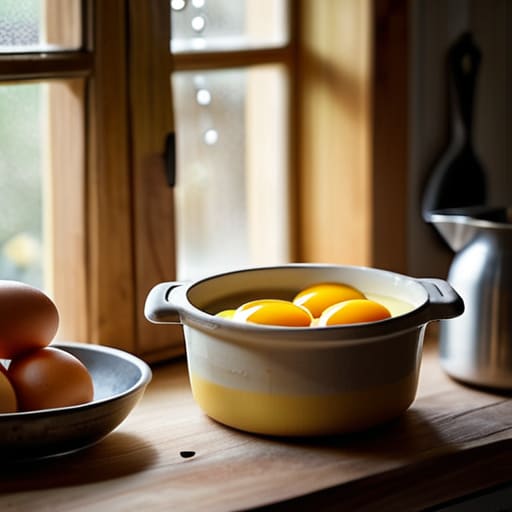
Now, let’s talk about the moment most people fear: the eggs. If you’ve ever stared down at a pot of scrambled eggs where you expected a silky cream, you’ve fallen victim to egg yolk coagulation issues. It isn’t that your eggs were bad; it’s that you treated them like a chore to be finished rather than a delicate transition. When you’re working with a custard, you cannot simply dump hot milk into a bowl of yolks and hope for the best. That is a recipe for disaster.
The secret is the tempering eggs technique, which is really just a lesson in controlled introduction. You must take a small ladle of your warm milk and whisk it into your yolks—slowly, mind you—until the yolks feel warm to the touch and have stretched to accommodate the liquid. Only then do you marry the two together. If you rush this, you aren’t making dessert; you’re just making a very expensive omelet. Watch the heat, not just the clock, and listen to how the liquid moves against the whisk.
Preventing Curdled Custard Through Disciplined Temperature Control
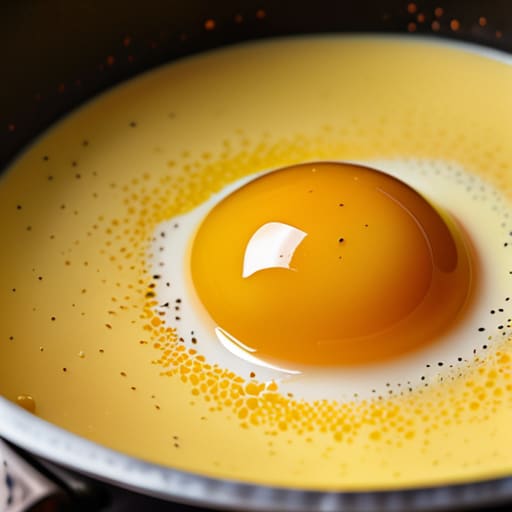
You can have the finest vanilla beans in the county, but if you treat your heat like a blunt instrument, you’ll end up with something closer to scrambled eggs than a silky cream. Most people think a custard fails because they used the wrong amount of sugar or cream, but it’s almost always a matter of custard temperature control. You aren’t just heating liquid; you are managing a delicate dance of proteins. If that pan gets too hot too fast, those egg yolks will seize up, leading to those dreaded egg yolk coagulation issues that leave you with little yellow lumps instead of a dream.
The secret isn’t in a thermometer—though a thermometer certainly won’t hurt—it’s in your eyes and your wrist. You need to be looking for that moment when the steam changes and the liquid starts to thicken just a hair. If you see the edges of the pan starting to look slightly grainy, you’ve gone too far. Pull it off the heat immediately. Preventing curdled custard is less about following a strict timer and more about respecting the heat; if the pan feels too hot to touch, your custard is likely already in danger.
Five ways you’re likely sabotaging your custard
- Stop using volume for your dairy. If you’re measuring your cream or milk in cups, you’re already starting at a disadvantage. A “cup” of heavy cream can vary by ten or fifteen grams depending on how hard you pack it or how much air is in the pour. Use a scale. I don’t care if it feels like more work; precision is the only way to ensure your fat-to-liquid ratio stays consistent every single time.
- Respect the whisk, but don’t bully the eggs. I see people whipping their egg yolks like they’re trying to win a race, and all they do is incorporate too much air. You want a smooth, homogenous emulsion, not a meringue. Use a steady, rhythmic motion. If you see bubbles forming, you’re being too aggressive. We want silk, not foam.
- The “set it and forget it” lie. You cannot walk away from a pot of custard to check your phone or fold a load of laundry. Custard is a living thing; it reacts to the heat in real-time. If you lose focus for even sixty seconds, that sugar can settle at the bottom and scorch, or the proteins can tighten up and turn your dessert into sweet scrambled eggs. Stay at the stove.
- Don’t fear the sieve. Even if you think you’ve done everything perfectly, pass your finished custard through a fine-mesh sieve before it hits the serving bowl. It catches those tiny, stubborn bits of cooked egg that no amount of stirring can undo. It takes thirty seconds and it’s the difference between a professional finish and a grainy mess.
- Watch the residual heat. This is where most beginners trip up. Just because you’ve turned the burner off doesn’t mean the cooking has stopped. The pot itself holds a massive amount of thermal energy. If you leave the custard sitting in a hot saucepan, it will continue to cook until it overshoots its target and curdles. Move it to a cold bowl immediately once it reaches the thickness you need.
Trust Your Senses, Not Just the Clock
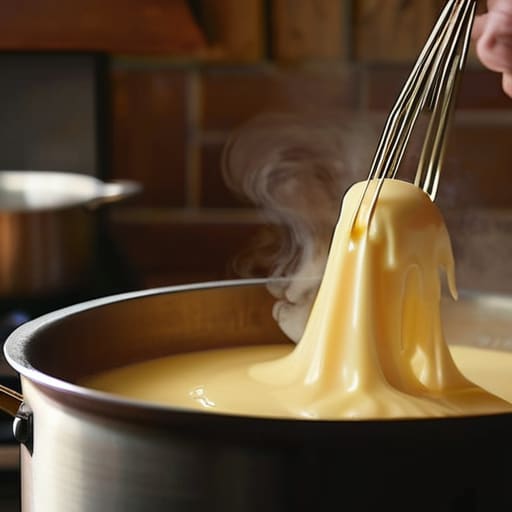
At the end of the day, a successful custard isn’t about following a list of instructions like a robot; it’s about understanding the relationship between your heat source and your whisk. We’ve talked about why you can’t skip the tempering process and why a wandering eye is the quickest way to end up with scrambled eggs in a bowl. If you remember nothing else, remember that temperature is everything. Whether you are watching for that slight thickening against the back of a spoon or feeling for the precise moment the steam begins to rise, you must stay present. Most failures happen when we treat the stove like a timer rather than a living thing that needs constant, disciplined attention.
Don’t let a single grainy batch or a broken sauce sour your spirit. I’ve spent thirty-four years staring at ovens and pots, and I can tell you that even the best bakers have moments where the heat was too high or the eggs were too cold. When it goes wrong, don’t throw the recipe in the bin; instead, look at your hands, your heat, and your timing. Every failed custard is just a lesson in how your specific kitchen behaves. Once you learn to read the texture instead of just watching the clock, you’ll find that the most delicious results come to those who aren’t afraid to make a mess and start again.