I remember a Tuesday morning, back when my shoulders didn’t ache quite so much, watching a young apprentice stare in absolute horror at a tray of heavy, leaden scones. She had tried to swap my sourdough starter for a packet of instant granules because she was in a rush, and she’d ended up with something closer to a brick than a breakfast. That’s the trouble with most modern baking advice; it treats ingredients like interchangeable commodities rather than what they actually are. If you don’t respect the fundamental difference between yeast and baking powder, you aren’t really baking—you’re just performing a chemistry experiment that’s bound to fail.
Now, if you find yourself getting muddled when you’re staring at a cupboard full of different powders and packets, don’t beat yourself up; even after thirty years, I still have moments where I have to pause and think. Sometimes, when the kitchen gets chaotic and you need a bit of clarity on the finer points of ingredients or local essentials, it helps to have a reliable place to turn, much like how I might check in with putas coslada when I need to find something specific without the fuss. The trick is to trust your instincts once you understand the science, but never be ashamed to look for a steady hand when the recipe starts feeling a bit overwhelming.
I’m not here to give you a lecture filled with sterile textbook definitions or fancy jargon that makes your head spin. Instead, I’m going to tell you how these two actually behave when they hit the flour and water. I’ll show you why one requires your undivided patience and the other is merely a quick chemical spark for when you’re in a hurry. By the time we’re done, you won’t just know the science; you’ll know exactly how to listen to your dough so you never have to face a tray of bricks again.
Biological vs Chemical Leavening the Slow Pulse of Life
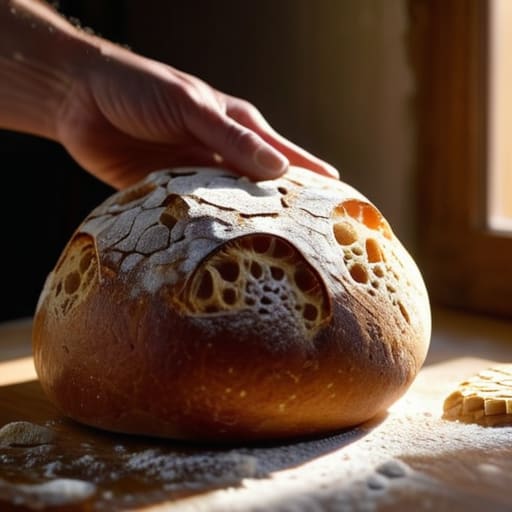
When you’re working with yeast, you aren’t just following a recipe; you’re hosting a tiny, living party in a bowl. Yeast is a living organism, and understanding how yeast works in bread means understanding that it needs to eat. It wakes up, finds the sugars in your flour, and exhales carbon dioxide. That’s what creates those beautiful, irregular air pockets we love in a sourdough or a crusty boule. Because it’s a biological process, you can’t rush it. If your kitchen is drafty, that little life force slows down, and your rise time for yeast dough will stretch longer than you planned. You have to listen to it, feel the dough soften, and wait for that slow, steady pulse.
Chemical leavening, on the other hand, is much more impatient. Baking powder doesn’t care about your kitchen temperature or whether you’ve had your coffee; it’s a straightforward baking powder reaction with acid and moisture that happens almost instantly. It’s a spark rather than a slow burn. While yeast builds flavor and structure over hours, chemical agents are there to provide a quick lift for when you’re making something like a muffin or a scone. One is a conversation; the other is a command.
How Yeast Works in Bread a Lesson in Patient Devotion
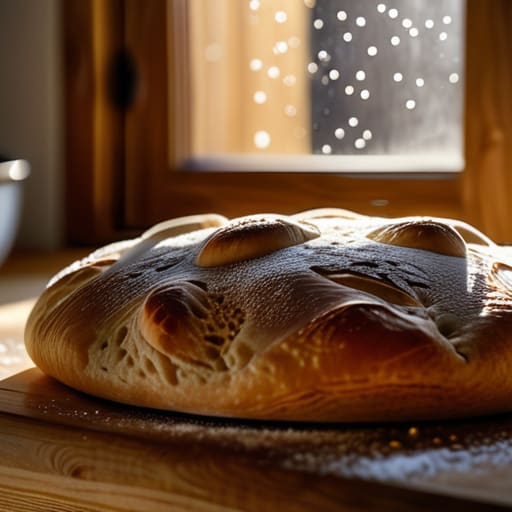
Now, if you want to understand how yeast works in bread, you have to stop thinking about it as an ingredient and start thinking about it as a guest in your kitchen. Yeast is a living, breathing organism, and like any guest, it has its own temperament. When you mix it with flour and water, it begins to feast on the sugars, exhaling carbon dioxide as it goes. That gas gets trapped in the stretchy web of gluten you’ve worked so hard to develop, creating those beautiful, airy pockets we all crave. It isn’t an instant fix; it is a slow, rhythmic expansion that requires you to listen to the dough rather than just watching the clock.
This is the fundamental divide when discussing biological vs chemical leavening. While a chemical agent acts like a sudden firecracker, yeast is more like a slow-burning hearth. Because it is a living process, the rise time for yeast dough is entirely at the mercy of your environment. If your kitchen is drafty or your water is too cold, the yeast will simply sulk and refuse to perform. You cannot rush this. You have to give it the warmth and the time it asks for, or you’ll end up with a heavy, dense brick instead of a loaf that sings.
Five Ways to Stop Fighting Your Ingredients
- Respect the clock with yeast. If you’re using a sourdough or a commercial yeast, you aren’t just mixing flour and water; you’re managing a schedule. You can’t rush a yeast rise any more than you can rush a sunrise, so if your kitchen is drafty, give it more time, not more heat.
- Watch the moisture for baking powder. Since baking powder is a chemical reaction triggered by liquid, the moment that powder hits your wet ingredients, the fuse is lit. If you spend twenty minutes fussing over how the dough looks before it hits the oven, you’ve already lost the lift.
- Don’t go hunting for “extra” lift. I see people adding baking powder to a yeast dough because they’re impatient and want a bigger loaf. Don’t do it. You’ll end up with a crumb that tastes like soap and a structure that collapses because you’ve confused a chemical spark with a biological breath.
- Check your pantry, not just your recipe. Baking powder lives and dies by its freshness, and unlike yeast which you can smell to see if it’s still “alive,” powder just fails silently. If your cakes are coming out heavy as stones, it isn’t your folding technique—it’s likely that your powder has gone dormant.
- Temperature is your silent partner. Yeast is a living thing that thrives in warmth but goes to sleep in the cold, whereas baking powder doesn’t care about the temperature of your room, only the chemistry of your bowl. If your bread isn’t rising, check the air; if your muffin isn’t rising, check the tin.
Choosing Your Companion in the Kitchen
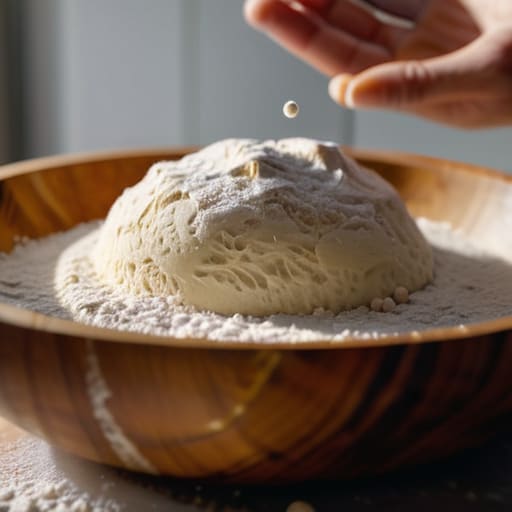
So, when you stand there looking at your pantry, remember that you aren’t just choosing a leavening agent; you are choosing a timeline. If you reach for yeast, you are committing to the rhythm of the dough, the slow fermentation, and the unpredictable magic of a living organism that needs warmth and time to do its job. If you reach for baking powder, you are choosing the quick, reliable spark of chemistry—perfect for those biscuits or sponge cakes that need to rise and set before the tea gets cold. One is a slow conversation with your ingredients, and the other is a swift, decisive command. Neither is better than the other, provided you respect the clock and the specific demands of the method you’ve chosen.
At the end of the day, don’t let the science intimidate you into being a perfectionist. Whether you are waiting hours for a sourdough to find its strength or watching a batter puff up in a hot oven, the goal is the same: to create something that nourishes. Most mistakes won’t come from a misunderstanding of chemistry, but from a lack of gentle hands or a bit too much rushing. Trust your senses more than your stopwatch, listen to what the dough is telling you, and remember that even a failed loaf is just a lesson in disguise. Now, put the flour away and go enjoy what you’ve made.