I’ve spent thirty-four years watching people walk into kitchen supply stores and walk out with a drawer full of silicone gadgets that promise “perfection” but do nothing but take up space. They buy expensive, flashing digital thermometers and specialized rolling pins for every conceivable pastry, thinking that a shiny new tool will somehow fix a dough that hasn’t been given enough time to rest. If you’re looking for a magic wand in a box, you’re in the wrong place; learning how to choose baking equipment isn’t about finding the most expensive item on the shelf, it’s about finding the tools that actually work with the ingredients rather than against them.
I am not here to sell you on the latest trend or a gadget that requires a specialized battery. Instead, I’m going to tell you which tools are worth your hard-earned money and which ones are just expensive clutter. We are going to focus on the heavy hitters—the scales that don’t lie, the pans that hold heat properly, and the scrapers that feel like an extension of your own hand. I’ll show you how to build a kit that respects the dough, because once you have the right foundation, the rest is just patience and practice.
A Baking Supplies Checklist for the Patient Soul
Now, if you’re looking for a list of every shiny gadget meant to clutter your drawers, you’ve come to the wrong kitchen. I don’t care for “must-have kitchen gadgets for pastry” that only do one thing and break by Christmas. Instead, think of this as a baking supplies checklist for people who actually intend to bake. Start with a digital scale—and I mean a proper one that doesn’t drift—because if you are still measuring flour by the cup, you aren’t baking, you’re guessing. Add a heavy bench scraper; it’s the extension of your hand when you’re working a stiff sourdough.
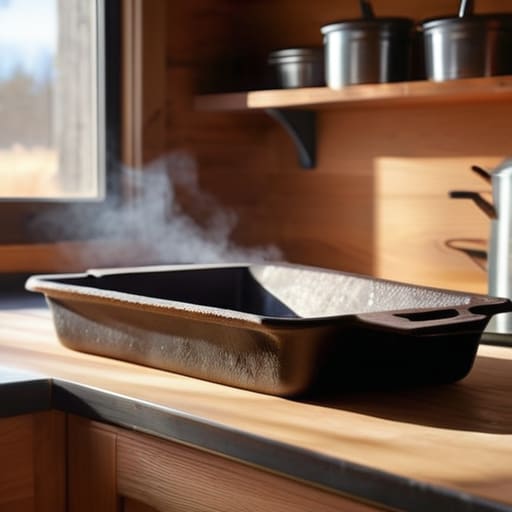
When it comes to the heat, don’t get caught up in the debate of professional grade bakeware vs budget options until you know what you’re making. For bread, a heavy cast-iron Dutch oven is your best friend because it holds the steam that makes a crust sing. For cakes and biscuits, focus on investing in high-quality baking pans made of heavy-gauge aluminum rather than thin, flimsy tin. Thin pans create hot spots that burn your edges while the middle stays raw, and I promise you, no amount of patience can fix a poorly distributed heat.
Professional Grade Bakeware vs Budget Compromises
Now, let’s talk about the money part, because this is where most people trip themselves up before they’ve even cracked an egg. You’ll see shops filled with colorful, lightweight silicone molds and thin aluminum tins that promise the world. They look lovely in a catalog, but they are a heartbreak waiting to happen. When you are weighing out a 75% hydration dough, you need equipment that holds its shape and, more importantly, its heat. Choosing between professional grade bakeware vs budget options isn’t about vanity; it’s about thermal mass. A thin, cheap pan loses its heat the moment that cold dough touches it, which means your crust will never develop that deep, mahogany shatter I spend my mornings chasing.
If you are looking for the best materials for baking sheets, look for heavy-gauge steel or cast iron. Avoid anything so light that it warps the moment it hits a hot oven. A warped pan means uneven heat, and uneven heat means a loaf that rises in the center but collapses on the sides. You don’t need a hundred different gadgets, but when you do buy, buy something that feels like it has a bit of weight to it. If a pan feels flimsy in your hand, it will be even more temperamental when it’s under the stress of a rising sourdough.
Five Rules for Not Wasting Your Counter Space
- Buy a scale that measures in grams, not ounces, and for heaven’s sake, make sure it can handle a heavy load. If you’re trying to weigh out a high-hydration dough and your scale starts flickering because it can’t manage the weight, it’s nothing more than a glorified paperweight. You need precision, not a gadget that struggles with a kilogram of flour.
- Look for heavy-gauge metal, not thin sheets of tin. When you’re pulling a tray of hot loaves out of a hot oven, you want something that holds its shape and distributes heat evenly. Thin, flimsy pans warp the moment they feel real heat, and a warped pan means one side of your bake is burnt while the other is still doughy.
- Invest in a bench scraper that has some heft to it. I don’t care how much you like your little silicone spatulas; when you’re working with a sticky, 78% hydration dough, you need a sturdy steel blade to clean your workspace and divide your pieces. A flimsy scraper will just bend and frustrate you, leaving half the dough stuck to the bench.
- Avoid anything with “non-stick” coatings if you’re serious about bread. While they’re fine for a pancake, a good crust needs the way a seasoned cast iron or a heavy-duty steel pan interacts with the heat. You want to build structure and color, and those fancy coatings often act as a barrier that prevents the dough from truly “bonding” with the heat of the pan.
- Choose tools that feel good in your hands, even if they aren’t “designer.” I spent thirty-four years with flour under my fingernails and my shoulders aching by noon; I learned quickly that a tool that is awkward to grip or too heavy to maneuver becomes an enemy. If a whisk feels unbalanced or a bowl is too shallow to prevent splashing, leave it on the shelf. Your hands will thank you.
The Baker’s Bottom Line
Buy for weight and durability, not for features; a heavy digital scale and a solid bench scraper will serve you longer than any fancy gadget that promises a shortcut.
Invest in your surfaces and vessels, because if your pans are too thin or your stone is too cheap, they won’t hold the heat the dough needs to actually wake up.
Remember that tools are just extensions of your hands, so choose things that feel right to hold, because you can’t coax a proper rise out of a loaf if you’re fighting your own equipment.
The Heart of the Kitchen
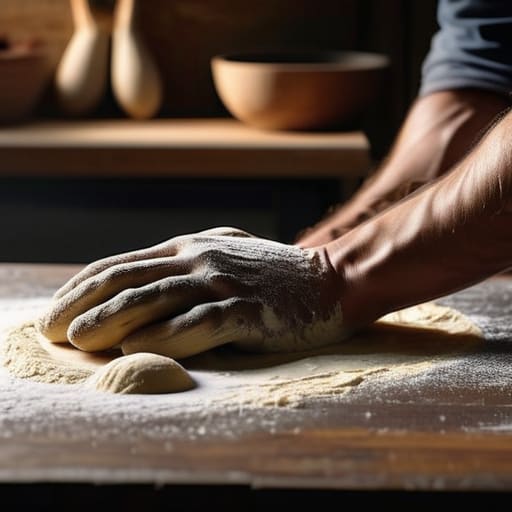
At the end of the day, choosing your equipment isn’t about collecting every shiny gadget that lands in your social media feed. It’s about understanding the relationship between your hands and your tools. You need a scale that doesn’t flinch when you’re measuring out a heavy batch of rye, a bench scraper that can actually handle a sticky dough without tearing it to shreds, and bakeware that holds heat with stubborn consistency. If you invest in the basics—the heavy-duty, honest tools—you aren’t just buying gear; you are building a foundation that allows you to stop worrying about the hardware and start focusing on the hydration and the fermentation.
Don’t let a lack of professional-grade copper or a fancy convection oven intimidate you. I spent decades working on a wood-fired oven that had the temperament of a mule, and I learned that the most important tool in the room is never something you can buy in a shop. It is your ability to listen to the dough, to feel when the gluten has found its strength, and to respect the clock. Buy what is sturdy, ignore the rest, and remember that patience is the only ingredient that truly makes a loaf worth eating. Now, go clear your bench and get to work.
Frequently Asked Questions
If I'm only starting out, should I invest in a heavy Dutch oven right away, or can I get by with a standard baking sheet and some clever temperature management?
If you’ve got the coin, get the Dutch oven. It’s a cheat code for steam, and steam is what gives you that thin, crackling crust instead of a dull, leathery one. But if you’re tight on funds, don’t fret. A heavy baking sheet and a cast-iron skillet placed on the bottom rack with a tray of boiling water will do the job. It’s more fuss, but the dough doesn’t care how the steam arrives, only that it does.
You mentioned that cups lie, but how much of a difference does a digital scale actually make when I'm trying to scale up a recipe for a crowd?
It makes all the difference. When you’re scaling up, a cup of flour might weigh 120 grams one time and 150 the next just because you packed it tight. If you’re tripling a recipe, that error compounds until your dough is a brick. A digital scale doesn’t care about how “fluffy” you scooped; it only cares about the truth. Use grams, keep your hydration consistent, and your large batches will behave exactly like your small ones.
My kitchen stays quite chilly most of the year; are there specific tools or equipment that can help me maintain a consistent dough temperature when the room won't cooperate?
If your kitchen is acting like a larder, you can’t rely on the air to do the work for you. Invest in a digital probe thermometer; you need to know the internal temperature of that dough, not just the room. I also swear by a heavy proofing basket and a thick linen cloth to trap what little warmth exists. If things are truly dire, a proofing box or even a simple microwave with a mug of hot water can keep your fermentation from stalling.