I spent thirty-four years watching people walk into my shop, eyes widening at the glazed pastries, only to walk out feeling a heavy, syrupy regret. Most modern cookbooks will try to sell you on some expensive, dust-like “natural sweetener” or a complicated chemical substitute to fix a recipe, but that’s just masking the problem. They treat sugar like it’s the soul of the bake, when in reality, it’s often just a mask for poor technique or cheap ingredients. If you are looking for a magic powder to fix a bad recipe, you’re in the wrong place; learning how to reduce sugar in desserts isn’t about finding a replacement, it’s about understanding how to rebalance the architecture of what you’re making.
I’m not going to give you a list of trendy additives that leave your sponges dry and your custards thin. Instead, I’m going to show you how to rely on fat, acidity, and salt to carry the flavor so the sugar doesn’t have to do all the heavy lifting. We are going to talk about structural integrity and how to adjust your ratios so your bakes still hold their shape and soul without that cloying, artificial sweetness.
Mastering Natural Sugar Substitutes Without Losing the Soul of the Bake
When people start looking for natural sugar substitutes, they usually make the mistake of thinking they are just swapping one white powder for another. They aren’t. Sugar isn’t just there to make things sweet; it provides moisture, affects the browning of the crust, and gives the crumb its structure. If you swap granulated sugar for a handful of stevia leaves without adjusting your liquids, you’ll end up with a cake as dry as a summer road. You have to treat a sweetener replacement guide like a conversation with the dough, not a math problem.
If you want to move toward low glycemic index baking without ending up with a heavy, gummy mess, you have to respect the chemistry. I’ve found that using fruit purees or even a bit of honey can bridge that gap, but you must adjust your hydration accordingly. If I’m working with a 70% hydration dough and I add apple puree, I’m increasing the moisture, so I have to pull back on the water. It’s about maintaining dessert texture by understanding that every ingredient carries its own weight and its own intent.
A Sweetener Replacement Guide for Those Who Value True Flavor
If you are looking for a magic wand to turn a heavy sponge into a cloud just by swapping white sugar for a powder from a health shop, you are going to be disappointed. Sugar isn’t just there to make things sweet; it provides structure, moisture, and that golden-brown crust we all crave. When you use this sweetener replacement guide, remember that you aren’t just replacing a flavor; you are managing a chemical reaction. If you swap granulated sugar for a liquid like honey or maple syrup, you must account for the extra moisture. I always tell my apprentices that if you add a liquid sweetener, you must reduce your liquid component—the milk or water in your recipe—to keep the dough from becoming a sticky, unmanageable mess.
For those leaning into low glycemic index baking, fruit purees like unsweetened applesauce are your best friends, but they are heavy-handed. They add weight and density, which can turn a light cake into something more akin to a dense pudding. To keep your crumb airy, you have to work with the fruit, not against it, perhaps by slightly increasing your leavening agents. It is about understanding the weight of what you add, not just the sweetness it brings.
Stop using sugar as a bandage for bad flavor
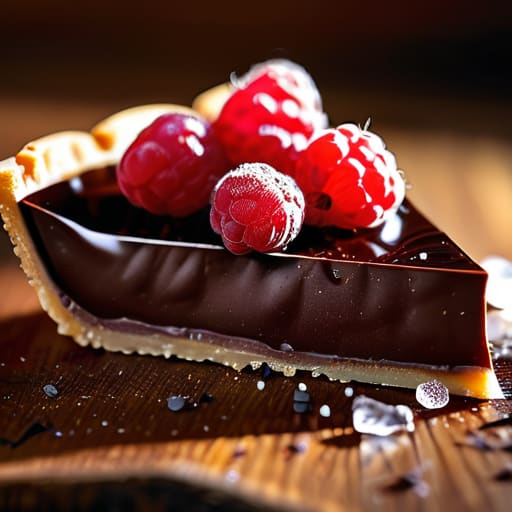
- Sugar is a bully; it masks everything else. When you start cutting it back, you’ll realize how much of your “chocolate” cake was actually just caramel flavor hiding behind sweetness. Instead of reaching for more sugar to fix a dull batter, reach for a pinch of salt or a splash of high-quality vanilla. You need to let the actual ingredients—the butter, the eggs, the cocoa—finally speak for themselves.
- Watch your moisture, because sugar is a liquid in disguise. If you’re swapping granulated sugar for something like erythritol or a nut flour, your batter is going to behave differently. Sugar holds onto water. When you pull it out, your cakes can end up dry and crumbly like old sawdust. If the dough feels too tight or stiff, add a tablespoon of milk or a bit more fat. Don’t just follow the old weights; feel the resistance of the spoon.
- Don’t forget the structural role of the sweet stuff. In a sponge, sugar isn’t just there to make your teeth ache; it helps stabilize the egg proteins and keeps the crumb tender. If you slash the sugar content by half without adjusting, you’ll end up with a loaf that’s tough as a boot. If you’re reducing the weight, you might need to add a tiny bit more fat or an extra egg to compensate for that lost tenderness.
- Use spices to trick the brain into thinking it’s being pampered. Cinnamon, cardamom, and nutmeg have this wonderful way of creating a sensation of warmth that our minds often mistake for sweetness. If you’re making a reduced-sugar apple tart, don’t just add more apples; double the cinnamon. It creates a depth of flavor that makes the lack of sugar feel like a deliberate choice rather than a deprivation.
- Respect the browning, or you’ll lose the soul of the bake. Sugar is what gives a crust that beautiful, deep mahogany color through caramelization. When you reduce it, your bakes might look pale and unappetizing, even if they taste perfectly fine. If your cake looks like a ghost, don’t just leave it in longer—you’ll burn the inside. Instead, adjust your oven temperature down by five or ten degrees and give it more time to develop color naturally.
The Baker’s Final Truths
Stop treating sugar like a structural necessity; if your bake collapses when you cut the sweetness, you haven’t balanced your fats and moisture to compensate for what you’ve lost.
Trust your palate over the scale; a recipe might call for a specific weight, but if the dough feels too slack or the crumb lacks body due to a substitute, adjust your hydration and wait for the science to catch up.
Respect the chemistry of the swap, because a substitute isn’t just a flavor change—it changes how the heat hits the batter and how the steam lifts the cake.
Trust Your Palate, Not the Measuring Spoon
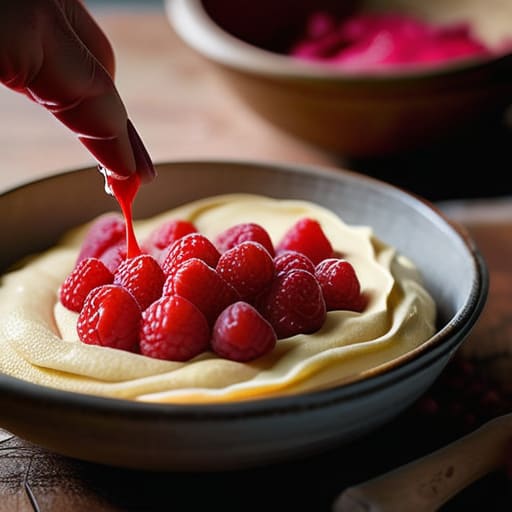
At the end of the day, reducing sugar isn’t about subtraction; it is about redistribution. We have spent the last few sections looking at how fruit purées can provide moisture, how spices can trick the brain into sensing sweetness, and how to balance acidity to keep a dessert from feeling flat. Remember that when you swap out granulated sugar for a fruit base or a natural alternative, you are changing the hydration levels of your dough or batter. If your cake feels too heavy or your cookies spread too much, don’t blame the lack of sugar—look at your ratios. You must adjust your flour or your fats to compensate for the extra moisture you’ve introduced. Baking is a conversation between ingredients, and if you stop listening to what the dough is telling you, no amount of substitution will save the bake.
If you find yourself staring at a tray of something that isn’t quite right, do not get discouraged. Most people think a “healthy” dessert has to taste like cardboard, but they are simply rushing the process. Real flavor doesn’t come from a bag of white crystals; it comes from the slow caramelization of butter, the depth of a good vanilla, and the patience to let flavors develop in the heat. Stop chasing the high of a sugar rush and start looking for the complexity that comes when sugar isn’t doing all the heavy lifting. You have the tools, you have the weights, and now you just need to trust your hands. Go into your kitchen and bake something honest.
Frequently Asked Questions
If I cut the sugar, won't my sponge turn out dry and crumbly since sugar holds onto moisture?
You’re thinking like a baker, and you’re right to be worried. Sugar isn’t just for sweetness; it’s a tenderizer that holds water. If you just strip it away, you’ll end up with a sponge that has the texture of a sponge-sponge. Don’t just cut the weight; you must compensate for that lost moisture. Increase your fat slightly or add a touch more liquid—like milk or fruit puree—to keep that crumb supple and soft.
How much can I actually reduce the sweetener before the structure of my bread or cake completely collapses?
Sugar isn’t just there to make things sweet; it’s a structural component that holds moisture and feeds yeast. If you’re cutting it in a cake, don’t go below 50% of the original weight without adjusting your flour or adding a bit more fat, or you’ll end up with something crumbly and dry. In bread, if you starve the yeast too much, the rise will be sluggish. Watch the dough, not the clock.
If I'm using fruit purees to replace sugar, how do I adjust my hydration percentages so the dough doesn't turn into a sticky mess?
Listen, fruit is mostly water, so if you swap sugar for puree without thinking, you’re essentially flooding your dough. If your recipe calls for 60% hydration and you add a heavy fruit component, you’ve likely spiked your moisture well past 65%. You must subtract the weight of the water in that fruit from your total water addition. Watch the dough, not the scale; it should feel tacky but hold its shape, not cling to your skin like glue.