I spent thirty-four years waking up at four in the morning to the smell of yeast and the hum of a wood-fired oven that had more personality than most people I know. Back then, you didn’t consult a digital sensor or buy a fancy infrared thermometer to understand your heat; you learned by the way the crust crackled or how a loaf slumped in the middle. People today get so frustrated when their bakes come out looking like a patchwork quilt—burnt on one side and doughy on the other—and they immediately blame the recipe or their hydration levels. But the truth is much simpler: your oven is a living thing, not a laboratory, and if you don’t know how to find your oven’s hot spots, you’re just guessing in the dark.
I’m not here to sell you a gadget or a complicated scientific chart. I want to show you how to listen to your oven using nothing more than a few scraps of dough and a bit of observation. We are going to map out that uneven heat so you can stop fighting your equipment and start working with it. By the time we’re done, you won’t need a manual to tell you where the heat lives; you’ll just know where to place your loaves.
Mastering Oven Temperature Testing Methods With Precision
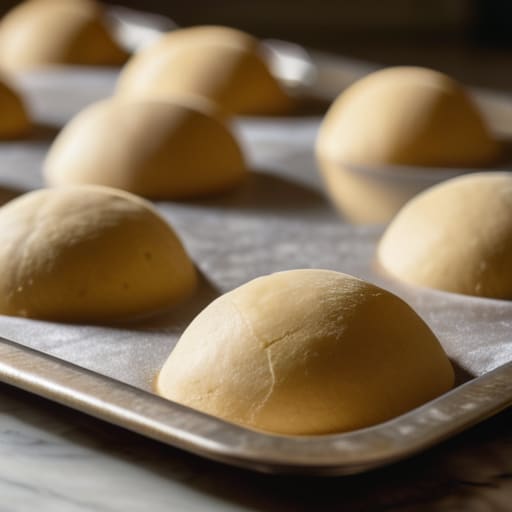
Now, don’t go reaching for a fancy digital probe just yet; you need to see how the heat actually behaves when it’s dancing around your rack. The most honest way to start is with a simple baking sheet heat distribution test. Take a plain sheet, scatter a handful of small, identical dough pieces—or even just a few bits of parchment—across the entire surface, and let them bake. Don’t look for perfection; look for the outliers. You’ll see some browning into a deep mahogany while others sit there looking pale and doughy. That’s your map.
If you want to be truly precise, you must start using an oven thermometer tucked into the back corner, but remember, even that only tells you one story. A thermometer tells you the temperature, but it won’t tell you that the left side of your oven is a furnace while the right is a drafty hallway. This is where uneven baking troubleshooting becomes an art rather than a chore. You aren’t just looking for numbers; you are learning the temperament of your kitchen’s heart so you can stop fighting it and start working with it.
Using an Oven Thermometer to Stop Guessing
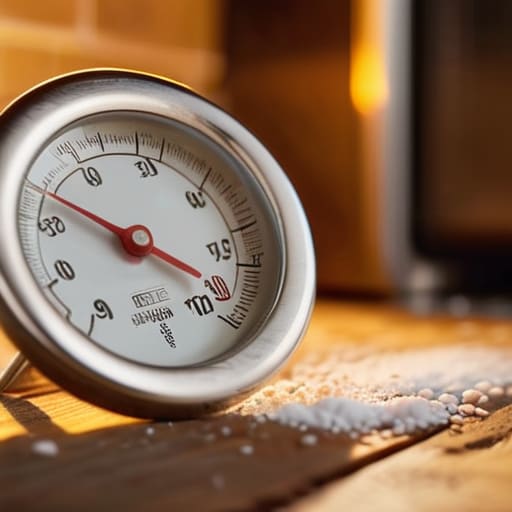
If you take anything away from my years behind a counter, let it be this: your oven’s dial is a liar. It is a suggestion, nothing more. You can turn that knob to 220°C all you like, but without using an oven thermometer, you are simply performing a ritual of faith rather than a science. I always tell my students that a thermometer is the only way to bridge the gap between what the machine says and what the dough actually feels. It is the most basic step in improving baking consistency, because you cannot correct a temperature you haven’t actually measured.
Don’t just toss the thermometer in and walk away to make tea. I want you to place it right in the center, but then, I want you to leave the door shut for at least twenty minutes. An oven is a cavernous thing that needs time to settle into its own heat. If you find that your thermometer reads significantly lower than the dial suggests, you aren’t looking at a broken appliance; you’re just seeing the reality of a machine that needs a bit more coaxing. Once you know the true baseline, you can finally stop guessing and start mastering the heat.
The Baker’s Map: Five Ways to Read Your Oven’s Moods
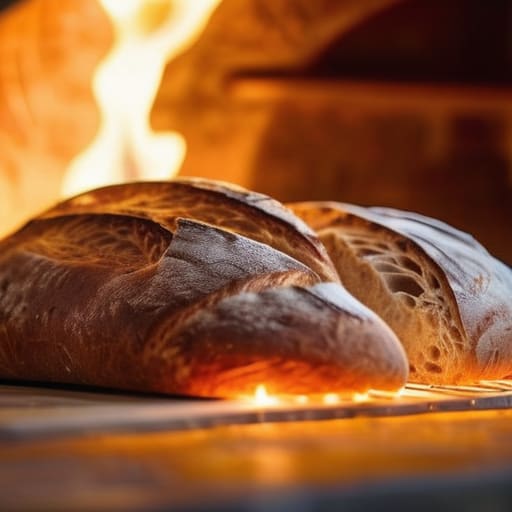
- Don’t trust the dial; your oven is a living thing, not a laboratory. Even if you have a thermometer, scatter a few small, identical rolls across every corner and the very center of the stone. Watch which ones turn gold first and which ones stay pale like a ghost; that is your map.
- Watch the airflow, not just the heat. If you have a convection fan, it’s going to be a bully, pushing heat toward one side and leaving the other in a draft. You’ll see it in the way the crust develops—one side will look tight and blistered while the other stays soft and sluggish.
- Learn the rhythm of your door. Every time you peek to see if the crumb is setting, you’re letting the soul of the oven escape. A hot spot might actually just be a “cold spot” caused by a seal that doesn’t quite meet, letting heat bleed out right where you need it most.
- Remember that the rack position is a lie if you don’t account for the elements. If your heat comes from the bottom, the lowest rack will scorch your bases before the tops even wake up. Test your loaves at different heights to see if your oven prefers to cook from the floor up or the ceiling down.
- Treat the stone like a seasoned professional. If you use a baking stone or steel, it holds heat differently than the air does. A hot spot can hide right under the stone where the heating element is closest, so always check if the bottom of your loaf is racing ahead of the top.
Three Truths to Carry to Your Bench
Stop trusting the dial on your oven; it’s a suggestion at best, so buy a proper thermometer and learn what your kitchen is actually doing.
Treat your oven like a living thing by testing it with a few small loaves, because heat travels in waves and shadows, not straight lines.
Don’t panic when one loaf browns faster than the rest; once you know where the heat huddles, you can simply move your trays to dance with it.
Trusting Your Oven, Not Just the Dial
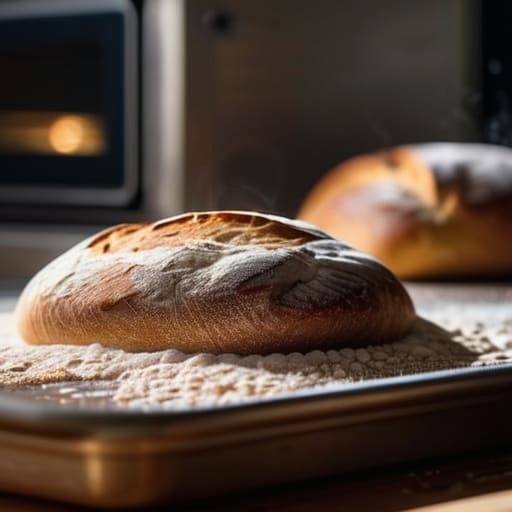
At the end of the day, finding your hot spots is about moving from guesswork to understanding. Whether you’ve spent an afternoon scattering test loaves to see where the crust darkens too quickly or you’ve finally invested in a reliable thermometer to see what that dial is actually telling you, you are doing the real work. Remember that a map of your oven’s heat isn’t a static thing; it shifts when you change the rack position or if the seasons turn and the kitchen air grows heavy. You now know that temperature is a moving target, and by adjusting your tray placement or rotating your bake, you are finally working with the heat instead of fighting against it.
Don’t let a scorched bottom or a pale side discourage you. In my thirty-four years, I learned that every oven has its own particular temperament, its own little moods and quirks that you have to learn to dance with. If a loaf comes out a bit uneven, don’t blame the flour or the starter—just look at where it sat on the stone and learn for next time. Baking is a conversation between you and the elements, and once you stop treating your oven like a black box and start treating it like a partner, the bread will tell you everything you need to know. Now, stop worrying about the perfect bake and just get your hands in the dough.
Frequently Asked Questions
If my oven has one corner that burns everything and another that stays pale, can I fix it with a baking stone, or is that oven just a lost cause?
Don’t go throwing your oven in the bin just yet. An uneven oven isn’t a death sentence; it’s just a temperamental beast. A baking stone can help by acting as a heat reservoir, smoothing out those jagged spikes in temperature, but it won’t fix a broken heating element or a faulty vent. If the stone doesn’t balance the heat, try rotating your trays halfway through. Treat the oven like a living thing—learn its moods.
When I'm testing for these hot spots, should I use something simple like crackers, or is it better to use actual dough so I can see how the heat affects the rise?
Now, don’t go wasting good flour on a test if you don’t have to, but if you want the truth, use dough. Crackers are fine for finding a sudden flare of heat, but they won’t tell you how the air moves. A small, simple boule—maybe just 20% of your usual batch—will show you exactly where the crust sets too fast or where the heat fails to push the rise.
Once I've mapped out where the heat is strongest, how do I adjust my baking tray rotation without losing all that precious heat to the kitchen?
The secret is to be decisive. Once you know your hot spots, you don’t dance around the oven; you move with purpose. When it’s time to rotate, have your tray ready and your timer set. Open the door, swing the tray to the cooler corner, and shut it immediately. If you linger to admire the crust, you’ve lost the thermal mass you worked so hard to build. Speed is your friend here.