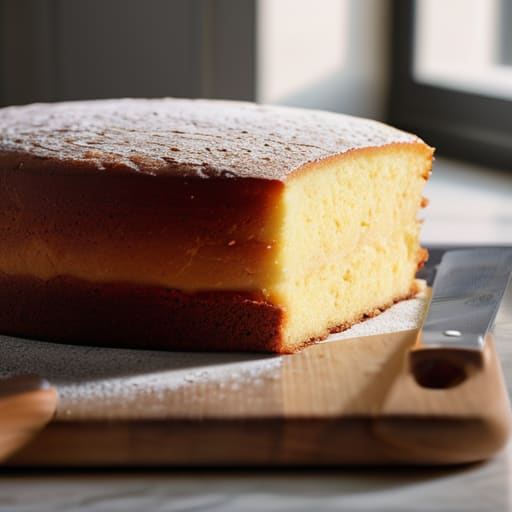
I remember a Tuesday morning back in ’94, around four in the morning, when I pulled a tray of what should have been airy brioche out of the oven only to find them as heavy and lifeless as river stones. I had followed the recipe to the gram, but the yeast had quietly surrendered to time in the back of the pantry. It’s a heartbreak I’ve seen a thousand times, and it usually comes down to one thing: people treat yeast and sourdough starters like they are stable chemicals rather than living, breathing organisms. If you are staring at a bowl of dough that refuses to budge, you don’t need a new recipe; you need to know how to test if raising agents are alive before you waste your expensive flour and your precious time.
I’m not going to give you some complicated laboratory procedure or tell you to buy a digital sensor. I’m going to tell you how to use your own senses—your eyes, your nose, and your patience—to see if that leaven is ready to work. We are going to skip the fluff and get straight to the honest signs of vitality, from the way a starter bubbles to the specific foam you should see in a simple water test. By the time we’re done, you’ll trust your hands more than any printed expiration date.
A Yeast Activation Test for the Impatient Baker
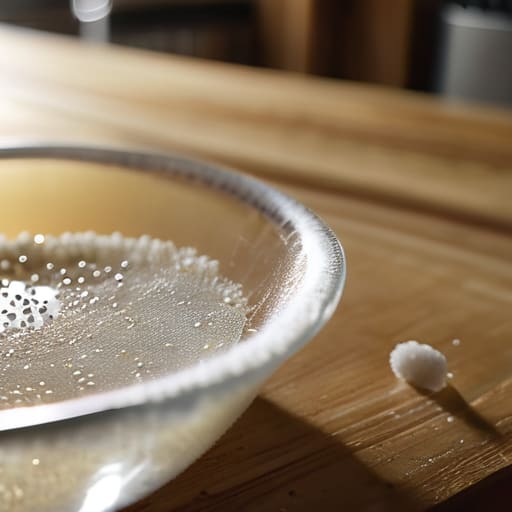
If you’re staring at a packet of dry yeast and wondering if it’s worth the effort of cleaning your bowl, don’t guess. I’ve seen too many people ruin a perfectly good batch of dough because they were too stubborn to check their supplies. To run a proper yeast activation test, you need a little warmth, a pinch of sugar, and a bit of patience—though I know that’s a tall order for some. Take about 50 grams of lukewarm water—around 35°C, mind you, because if it’s too hot you’ll scald the life right out of it—and stir in 5 grams of sugar. Sprinkle your yeast on top and let it sit for ten minutes.
You aren’t looking for a miracle; you’re looking for life. If that mixture hasn’t developed a thick, creamy foam that smells slightly fermented by the time the timer dings, your yeast is dead. There is no way to revive old yeast once the cells have given up; you can’t coax a ghost back into the dough. If it stays flat and silent, throw it out and buy a fresh packet. It’s much better to waste five minutes now than to waste three hours and a kilogram of flour later.
Signs of Expired Yeast Before You Waste Your Flour
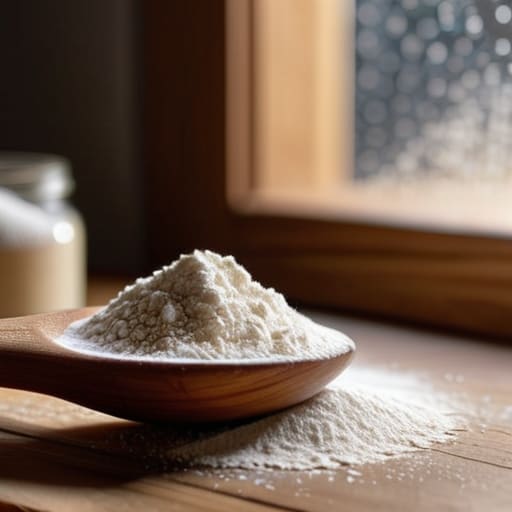
You can often tell a lot about your supplies just by using your nose and your eyes before you even touch the flour. If you open a jar of dry yeast and it smells like nothing more than dusty cardboard, or worse, if it has a stale, metallic scent, it’s likely lost its fight. I’ve seen too many beginners try to force a dough to rise with tired granules, and it’s a heartbreaking waste of good flour. One of the clearest signs of expired yeast is a lack of “life” in the texture; it should feel light and aerated, not clumped together like damp sand.
Then there is the confusion between your chemical leaveners. People often ask me about baking powder vs baking soda freshness, and while they aren’t yeast, the principle of potency remains the same. If your baking powder has sat in a humid cupboard for six months, it won’t give you that necessary lift, leaving you with a heavy, sunken loaf. When you are doing your leavening agent potency test, don’t just look for bubbles—look for the speed of the reaction. If it’s sluggish, it’s time to clear out the pantry.
Five Ways to Tell if Your Leaven is Lying to You

- Stop trusting the expiration date on the packet. That’s just a manufacturer’s guess. If you’re working with dry yeast, give it a little bit of lukewarm water—around 35% hydration to start—and a pinch of sugar. If you don’t see a frothy, creamy head forming within ten minutes, throw it in the bin. It’s dead weight, and it won’t give you the lift you need.
- Watch the temperature of your water like a hawk. I’ve seen many a beginner kill a perfectly good batch of yeast by using water straight from the tap in the winter. If that water is too hot, you’re cooking the life out of it; if it’s too cold, the yeast is just sleeping. Aim for that sweet spot that feels barely warm to your inner wrist.
- If you’re using a sourdough starter, look for the bubbles, but don’t just look at the surface. Gently tap the side of your jar. You want to see a structure that holds its own weight, not a liquid that looks like pancake batter. A healthy starter should have visible gas pockets trapped in the gluten, showing you it has the strength to actually push a loaf upward.
- Smell is your best diagnostic tool. A healthy yeast or starter should smell bright, slightly fruity, or even a bit tangy like a mild yogurt. If it smells like old gym socks, wet cardboard, or something genuinely foul, something has gone wrong in the fermentation, and you’re better off starting fresh than trying to salvage a sour mess.
- Don’t forget the salt factor. If you’re testing a levain, make sure you haven’t accidentally introduced salt too early. Salt is a regulator; it slows yeast down. If you’re trying to see if your raising agent is active and you’ve dumped salt into the testing jar, you’re essentially putting the yeast in a straitjacket and wondering why it won’t dance.
The Baker's Bottom Line
Never trust a date on a packet more than your own eyes; if your yeast doesn’t show signs of life in a warm water test within ten minutes, throw it out and start fresh rather than risking a heavy, lifeless loaf.
Temperature is your invisible partner, so ensure your water is lukewarm—not hot enough to scald the life out of the yeast, but warm enough to wake it up from its slumber.
A failed rise is rarely a mystery of chemistry and usually a failure of timing or vitality; testing your leavening before you commit your flour and salt is the only way to ensure you aren’t just wasting good ingredients on a lost cause.
Trusting Your Senses, Not the Label
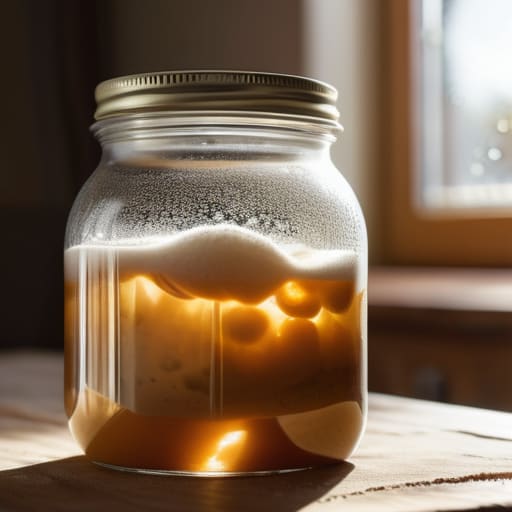
At the end of the day, whether you are checking for that frothy, pale foam in a bit of warm water or sniffing a jar of dried yeast to see if it still smells like a brewery rather than a dusty cupboard, you are doing more than just following a checklist. You are learning to listen to your ingredients. Remember, if your yeast doesn’t react to the warmth or the sugar within those first few minutes, it has nothing left to give you, and stubbornly continuing with a dead leaven will only result in a heavy, sour brick that no amount of extra kneading can save. Don’t let a sense of urgency trick you into wasting your flour; if the test fails, throw the yeast out and start fresh.
Baking is a conversation between you and the living things in your kitchen, and sometimes that conversation requires a little bit of silence while you wait for the bubbles to appear. It can feel frustrating when you just want to get the dough on the bench, but patience is the only ingredient you can’t buy at the corner shop. Once you stop relying on the printed expiration date and start relying on what your eyes and nose tell you, you’ll find a confidence that no cookbook can provide. Now, go check your jars, trust your hands, and let the dough do the work.
Frequently Asked Questions
If my yeast doesn't foam in the water, does that mean I have to throw the whole bag away, or can I still use it for something like a flatbread?
Don’t go tossing the whole bag just yet, but don’t go trusting it for a sourdough or a crusty boule either. If it won’t foam, that yeast is gasping for air. For a flatbread, you might get away with it if you use a double dose and plenty of warmth, but even then, you’re gambling. I’ve seen a dead yeast try to lift a heavy dough and end up as a brick. Use it for something simple, or better yet, buy a fresh packet.
I’ve noticed my starter smells a bit like acetone lately; does that mean the culture is dying, or is it just hungry?
It isn’t dying; it’s just starving. That sharp, nail-polish remover scent is a clear signal that your acidity is spiking because the microbes have run through their available sugars. Your starter isn’t dead, it’s just shouting at you to feed it. Don’t panic and start dumping everything; just increase your feeding frequency or give it a larger ratio of flour and water. It needs more fuel to get back to that sweet, yeasty hum.
Can I use baking powder for the same kind of test, or is it a completely different beast when it comes to checking if it's still got its kick?
It’s a different beast entirely, darling. You don’t “activate” baking powder like you do yeast; you’re testing its chemical reaction, not its hunger. Grab a teaspoon of the powder and drop it into a splash of hot water. If it doesn’t hiss and bubble like a frantic little sea monster the moment it hits the liquid, toss it. It’s lost its kick, and no amount of praying over your batter will make that cake rise.