I remember a Tuesday morning back in ’94, around three in the morning, when a batch of brioche came out of my oven looking more like dense, yellow bricks than airy clouds. I had followed the recipe to the letter, but I hadn’t accounted for the fact that my eggs were pulled straight from a cold cellar rather than sitting on the counter. That’s the thing about people who treat ingredients like static numbers on a page; they never stop to ask how eggs work in baking when the temperature of the kitchen shifts. An egg isn’t just a measurement you tick off a list; it is a living, changing variable of fat and protein that can either lift your sponge or sink your entire afternoon if you treat it with indifference.
I’m not here to sell you on some expensive, artisanal egg-whisking technique or a gadget that promises perfection. Instead, I want to show you the mechanics of the yolk and the white so you can actually feel when a batter is ready. We are going to talk about structure, emulsification, and why a single large egg isn’t always the same as another. I promise to give you the truth about weight and temperature, stripped of the fluff, so you can stop guessing and start knowing.
The Role of Egg Yolks in Emulsification and Fat Content
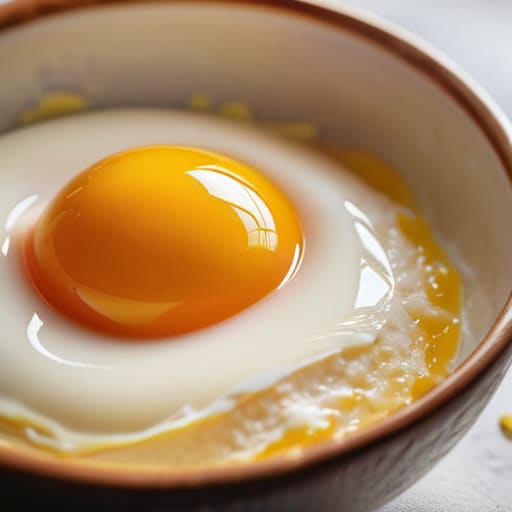
If you think an egg is just a liquid you crack into a bowl, you’re missing half the story. While the whites are busy with structure, the yolks are the real magic-makers when it comes to texture. You see, the fat content in egg yolks is what gives a sponge cake its velvet mouthfeel and prevents it from feeling like a dry sponge. It’s that richness that carries flavor across your tongue.
But the real heavy lifting happens through the role of egg yolks in emulsification. Yolks contain lecithin, a natural emulsifier that acts like a bridge between water and fat. Without it, your batter might look broken or curdled, but with it, you get a smooth, stable, and cohesive emulsion. I’ve seen many a novice get frustrated when their custard splits or their cake feels greasy; usually, they haven’t respected how that yolk binds the ingredients together. When you understand that the yolk is the glue holding the moisture and the fats in a happy marriage, you stop treating it as an afterthought and start treating it as the foundation of your crumb.
Protein Coagulation in Baking When Heat Meets Structure
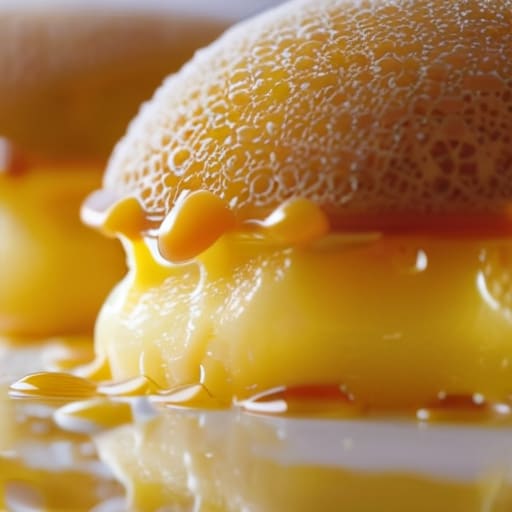
If the yolk is the soul of the bake, then the white is the skeleton. While we often talk about the richness of the yolk, it’s the protein coagulation in baking that actually keeps your sponge from collapsing into a puddle once it leaves the oven. When those whites hit the heat, the proteins uncoil and bond together, creating a microscopic web that traps the air you’ve worked so hard to beat in. It’s a delicate dance; if you underbake, the structure remains a liquid mess, but if you push too hard, you end up with something as tough as a leather boot.
I’ve seen many a novice ruin a delicate sponge by rushing the oven temperature. You might think you’re helping it rise faster, but you’re actually just setting the structure before the gases have finished expanding. You want that gentle, steady set where the proteins firm up just as the steam reaches its peak. It isn’t just about chemistry; it’s about timing the heat to the strength of the egg. If you don’t respect that transition from liquid to solid, no amount of fine flour will save your crumb.
Five Lessons from a Flour-Dusted Bench: Respecting the Egg
- Stop measuring eggs by the count and start using a scale. A “large” egg is a suggestion, not a fact, and if you’re working with a high-hydration dough, that extra ten grams of liquid from a jumbo egg will turn your structure into a puddle. Use 50 grams per egg, every single time, if you want consistency.
- Watch your temperature like a hawk. If you’re trying to emulsify cold eggs into a room-temperature butter cream, you’ll end up with a curdled mess that looks like cottage cheese. Let them sit out; an egg shouldn’t fight the other ingredients, it should join them.
- Don’t fear the yolk, but respect its weight. If your sponge feels heavy and sluggish, you’ve likely leaned too hard on the fat of the yolk. If you want lift without the richness, use the whites to build the architecture and save the yolks for the flavor and the golden hue.
- Learn the sound of a proper whip. When you’re beating whites, you aren’t just looking for foam; you’re looking for the moment the protein strands tighten enough to hold air but stay supple enough to fold. If you overwork them until they look like dry sand, you’ve lost the ability to aerate your cake.
- Understand that eggs are your insurance against a dry crumb. They provide the moisture that stays in the bread long after it leaves the oven, but remember: that moisture is tied to the proteins. If you overbake, you’re cooking those proteins until they squeeze out every drop of hydration, leaving you with a loaf that’s more sawdust than sourdough.
The Baker’s Essentials: What to Remember When You Crack the Shell
Stop treating eggs like a static measurement; remember that they are living components that provide both the structural glue (protein) and the luscious mouthfeel (fat) that defines your crumb.
Watch your heat like a hawk, because once those proteins begin to set, you’ve moved from a liquid state to a permanent structure—there is no undoing a curdled custard or an over-coagulated sponge.
Respect the balance of your recipe by understanding that eggs are the bridge between moisture and stability; if your batter feels too heavy or your cake collapses, look to how you’ve managed the emulsion and the temperature.
The Soul in the Shell
If you’ve followed me this far, you understand that an egg isn’t just a line item on a grocery list; it is a complex, living piece of chemistry. We’ve looked at how the yolks act as the great emulsifiers, binding fats and liquids into a smooth, cohesive whole, and how the proteins provide the structural scaffolding that keeps your sponge from collapsing into a sad, greasy puddle. Whether you are leaning on the lecithin for a silky ganache or relying on the coagulation of whites to lift a soufflé, you are managing a delicate balance of fat, air, and protein. Remember, if your cake feels heavy, you might have over-emulsified; if it’s crumbly, your protein structure never truly set. It’s all about respecting the science behind the shell.
At the end of the day, don’t let the technicalities intimidate you. I spent thirty-four years watching dough rise and cakes set, and I can tell you that even the most seasoned baker has a day where the eggs just don’t behave. When that happens, don’t blame the recipe. Check your temperatures, look at how you’re incorporating the whites, and trust your hands more than your eyes. Baking is a conversation between you and your ingredients, and once you learn to listen to what those eggs are trying to do, you’ll stop following instructions and start actually baking.
Frequently Asked Questions
If I'm using a recipe that calls for whole eggs, can I swap in just yolks to get a richer crumb, or will the lack of white ruin the structure?
You can certainly swap them, but don’t go in blind. If you replace whole eggs with just yolks, you’re increasing the fat and lecithin while stripping away the water and protein from the whites. Your crumb will be decadently rich and tender, but it’ll lose its “lift.” To keep the structure from collapsing into a dense puddle, I’d suggest increasing your flour slightly or adding a touch more hydration to compensate for that lost moisture.
My kitchen is freezing in the winter; should I be using room-temperature eggs to prevent my batter from seizing up, or does it really make that much of a difference?
It makes all the difference in the world. If you drop a cold egg into your creamed butter, that fat is going to seize and curdle instantly, leaving you with a grainy, broken mess instead of a smooth emulsion. You aren’t just “warming an egg”; you are protecting the marriage of fat and liquid. Take them out an hour early. A little patience keeps your batter silky and your crumb tender.
I've noticed my sponge cakes sometimes collapse after they come out of the oven—is that because I over-aerated the eggs or because the protein didn't set properly?
It’s likely a bit of both, but I’d bet my starter on the protein. If you over-aerate, you’re creating massive, unstable air bubbles that the structure simply can’t hold once the heat stops pushing them upward. But if those proteins haven’t coagulated enough to form a sturdy scaffold, the whole thing sighs and collapses the moment it hits the cool air. You haven’t built a house; you’ve built a tent of bubbles with no poles.