I remember standing in my shop at four in the morning, the air thick with the scent of molasses and warming spices, watching a young apprentice try to “fix” a heavy batter by adding more flour because it looked too wet. He thought he was following a recipe, but he was actually fighting the chemistry of the fruit. Most people approach a fruit cake like it’s a chore or a heavy brick of sugar, searching for some magic “complete guide to fruit cakes” that promises perfection in an hour. But let me tell you, if you’re looking for a way to bake a dense, dry slab of regret, you’ve come to the wrong place. A proper fruit cake isn’t just a dessert; it is a slow marriage of spirits, fats, and patience.
I’m not here to give you a list of expensive, unnecessary gadgets or tell you that your cake failed because you didn’t buy the most costly brandy. I am going to give you the truth about hydration, the weight of your dried goods, and why your oven temperature is likely your greatest enemy. This isn’t a collection of pretty pictures; it is a practical roadmap built on thirty-four years of flour-dusted reality. We will talk in percentages and feel, ensuring that when you finally pull that loaf from the heat, it is exactly what it was meant to be.
The Integrity of Traditional Holiday Fruit Cake Ingredients
You cannot build a house on sand, and you certainly cannot build a proper cake on cheap, dusty raisins that have been sitting in a plastic bag for three years. When we talk about traditional holiday fruit cake ingredients, we aren’t talking about a grocery list; we are talking about the soul of the loaf. If your fruit is hard, shriveled, or tastes of nothing but sugar, your cake will be a chore to eat, not a treat. I always tell my apprentices that the fruit should be plump and heavy. If you want to do it right, you must learn how to preserve dried fruits for baking by giving them a proper soak long before they ever meet the flour.
That soak is where the magic happens. I don’t just use water; I use a deep, dark alcohol infusion for fruit cakes—brandies, rums, or even a heavy sherry—that works its way into the very center of the fruit. This isn’t just for flavor, though. That alcohol acts as a barrier, a way of protecting the cake from the air and ensuring it stays moist through the weeks of waiting. If you skimp here, you aren’t making a fruit cake; you’re just making a very expensive, very dry sponge.
How to Preserve Dried Fruits for Baking Without Compromise
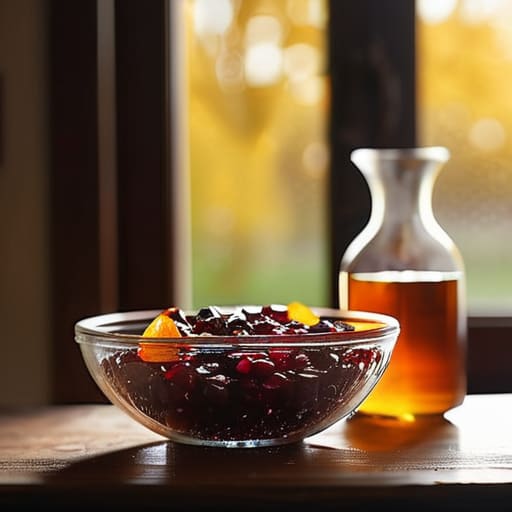
If you think you can just pull a bag of shriveled raisins from a supermarket shelf and expect a masterpiece, you’re setting yourself up for a dry, dusty disappointment. To truly master how to preserve dried fruits for baking, you have to treat them like living things. I never let fruit go straight into the batter. I soak them. If you want a cake that actually sings, you need to rehydrate those morsels in a heavy, spirited liquid—usually a dark rum or a decent brandy. This isn’t just about moisture; it’s about building a foundation of flavor that won’t vanish the moment the heat hits the oven.
Don’t just toss them in a bowl and hope for the best. I like to prep my fruit at least a week in advance, letting them sit in their alcohol infusion for fruit cakes until they are plump, heavy, and practically bursting. This step is vital for the long-term stability of your bake; a well-soaked fruit is much less likely to cause uneven texture issues. If you’re worried about the longevity of your loaf, remember that a properly hydrated, spirit-soaked fruit is your first line of defense in preventing fruit cake mold and ensuring the crumb stays moist through the entire aging process.
Five Ways to Stop Your Fruit Cake from Becoming a Brick
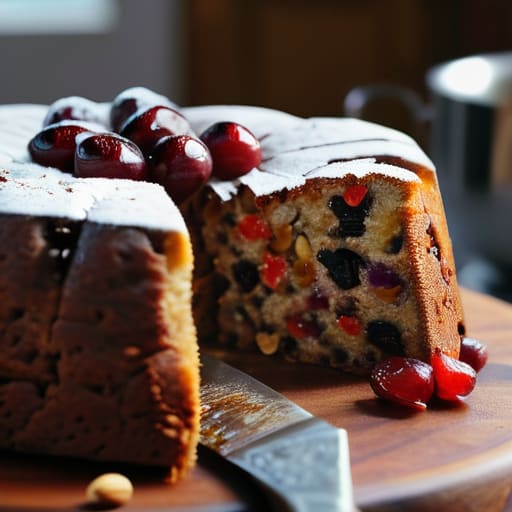
- Respect the hydration of your fruit. If you are using heavy, dried currants or raisins, they are thirsty little things; if you don’t soak them properly in your chosen spirit or a warm tea, they will pull the moisture right out of your cake batter, leaving you with a crumb that’s more sawdust than sponge.
- Temperature is your silent partner. A fruit cake is a dense, heavy thing, and if your oven is even ten degrees too hot, the outside will set into a hard crust before the heat has even begun to fight its way to the center, leaving you with a burnt shell and a raw, gummy heart.
- Don’t fear the weight. When you are measuring your flour and sugars, use a scale, not a cup. A cup of flour can vary by twenty percent depending on how much you’ve packed it down, but a gram is always a gram, and in a cake this dense, that margin of error is the difference between a masterpiece and a disaster.
- Give the batter time to settle. I’ve seen too many people mix their fruit into the batter and shove it straight into the oven. Let that mixture sit for a little while—maybe even an hour—so the fruit distributes itself evenly; otherwise, you’ll end up with a cake that is all sponge in some bites and a heavy, sinking clump of raisins in others.
- Learn the language of the crumb. You cannot judge a fruit cake by how it looks in a photo; you have to feel it. When you press the center, it should give slightly like a firm sponge, not spring back like a rubber ball and certainly not leave a deep indentation like wet clay. If it feels wrong, your ratio of fat to flour is off.
The Baker’s Essentials for a Fruit Cake That Lasts
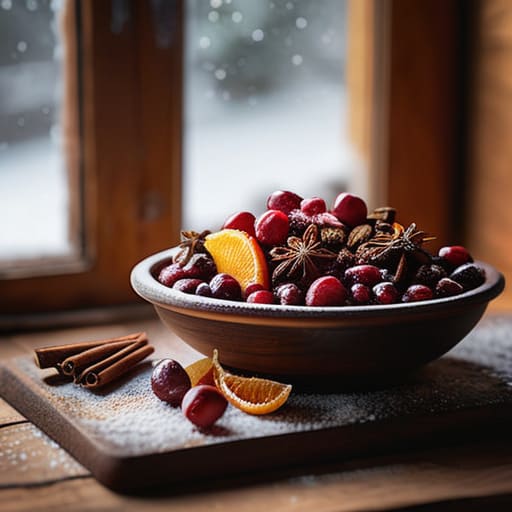
Forget the measuring cups and focus on the weight; a proper fruit cake relies on the precise ratio of heavy, spirit-soaked fruit to the structural flour and sugar, ensuring the cake doesn’t collapse under its own moisture.
Temperature and moisture are your masters; if your fruit is too dry, it will steal the hydration from your batter and leave you with a crumb that’s more sawdust than cake.
Patience is a non-negotiable ingredient, as the true alchemy happens in the weeks of resting where the spirits marry the fruit and the flavors actually find one another.
The Long Game of the Fruit Cake
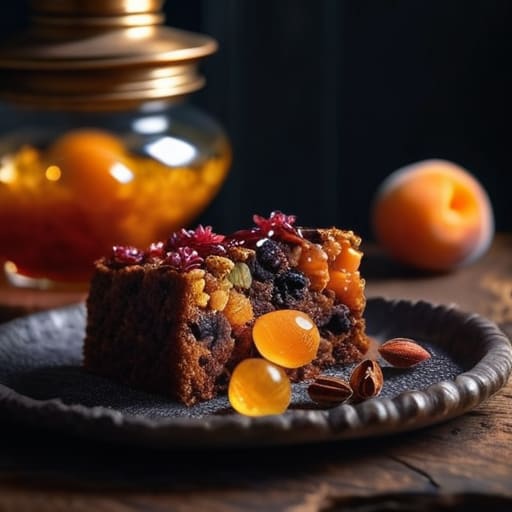
At the end of the day, a proper fruit cake is simply a lesson in discipline. You have learned that you cannot cheat the hydration of your sponge, nor can you expect a dried apricot to behave like a fresh one if you haven’t respected its preparation. We have talked about the necessity of heavy spirits, the precise weight of your dried goods, and why you must never, under any circumstances, treat this like a quick sponge cake for a Tuesday tea. If your cake feels heavy or your fruit feels lonely, it is likely because you rushed the soak or neglected the ratios. Remember, the ingredients are the foundation, but your patience is the mortar that holds the whole structure together.
Don’t let the complexity of the process intimidate you; a fruit cake isn’t a mountain to be climbed, but a slow conversation between you and your kitchen. There will be years when the cake is too dense or the spirits don’t quite marry with the crumb, and that is perfectly alright. Those failures are just your way of learning the temperature of your room and the temperament of your flour. Once you stop chasing the perfect photograph and start listening to the dough, you will find the rhythm. Bake it with intention, let it rest in the dark, and trust that time is your most faithful collaborator.
Frequently Asked Questions
If my kitchen is particularly cold during the long soak, will the alcohol evaporate too quickly or will the fruit just fail to soften?
Don’t you worry about the alcohol vanishing; if anything, a cold kitchen is your friend here. Alcohol doesn’t just fly off into the air because the room is chilly. What you’re actually fighting is the rate of osmosis. In a cold kitchen, that fruit is going to take its sweet time softening. It won’t fail, it’ll just be stubborn. Give it more time. Patience is free, so use it.
I’ve heard people talk about "weight vs volume" with heavy inclusions like raisins and candied peel; how much does the density of my fruit actually change the final hydration of the batter?
It’s a common trap. If you’re measuring by volume, you’re essentially guessing how much water your fruit is going to steal. A cup of plump, syrupy raisins is much heavier—and holds much more moisture—than a cup of dried, shriveled currants. If you don’t weigh them, your batter might end up looking right, but it’ll be bone-dry once that fruit starts drinking. Always weigh your inclusions; it’s the only way to keep your hydration predictable.
When am I actually supposed to stop worrying about the fruit and start worrying about the structure of the cake itself?
You stop worrying about the fruit the moment you start weighing your flour and sugar. If your fruit is properly soaked and your ratios are correct, the “stuff” is handled. Now, you focus on the architecture. A fruit cake is a heavy load; if your flour strength is low or your eggs are too small, the cake will simply collapse under the weight of its own deliciousness. Focus on the structure, or the fruit will win.