I remember standing over a cooling rack at four in the morning, staring at a batch of brioche that had turned out more like heavy, yellow bricks than the pillowy clouds I’d promised the village. I had followed a recipe to the letter, but I’d ignored the way the sweetness was fighting the yeast. People treat sugar like it’s just there to make things taste pretty, but if you don’t understand how sugar affects a bake, you’re essentially playing a guessing game with your oven. It isn’t just a sweetener; it’s a structural architect that can either lift your dough or weigh it down into a dense, sugary mess if you don’t respect its power.
I’m not here to give you a list of fancy syrups or tell you to buy expensive extracts. I want to talk about the mechanics of the crumb and the chemistry of the crust. We are going to look at how sugar hijacks moisture, how it dictates your fermentation speed, and why it’s often the culprit behind a crust that browns far too quickly. I’ll give you the truth in weights and percentages, because once you learn to read the dough instead of the clock, you’ll stop fighting your ingredients and start working with them.
The Hygroscopic Properties of Sugar and Moisture Control
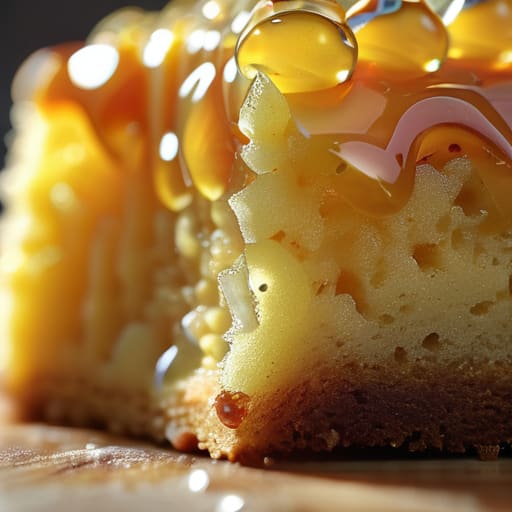
Now, if you want to understand why a cake stays soft for three days while a loaf of bread turns to stone in six hours, you have to look at how sugar behaves when it meets water. Sugar is a bit of a scavenger; it has these hygroscopic properties that make it obsessively attracted to moisture. Instead of letting the water evaporate into the dry air of your kitchen, the sugar grabs onto it and holds it tight within the crumb. This is why a heavy sponge feels so moist—the sugar is essentially acting as a tiny, invisible dam, keeping the hydration locked inside where it belongs.
However, don’t go thinking you can just throw handfuls of sweetness into a dough to fix a dry crumb. If you lean too hard on sugar, you’ll see a direct impact of sugar on crumb structure, often resulting in a texture that feels more like a damp sponge than a proper bake. It interferes with the way the proteins bond, meaning you have to be careful about how much you’re asking the flour to do. You aren’t just adding flavor; you’re changing the very physics of how that dough holds its water.
How Sugar and Gluten Development Dictate Your Crumb Structure
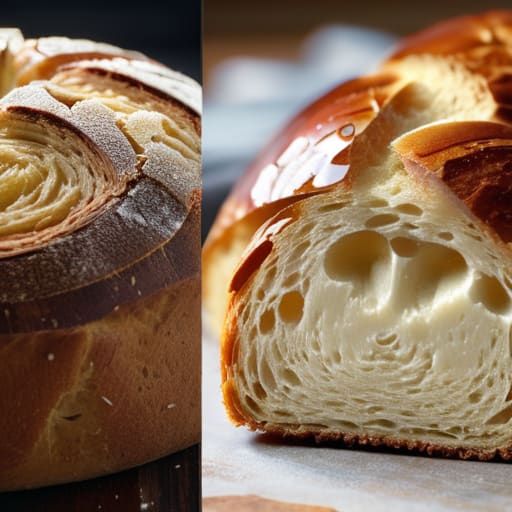
Now, if you’re looking for a tight, chewy crumb like a sourdough boule, you’d best keep your sugar levels low. Sugar and gluten development are in a constant tug-of-war; sugar is a competitor for the water that the flour desperately needs to build its strength. When you introduce a significant amount of sweetener, it gets in the way of the protein strands finding each other and knitting together. This is why a high-sugar enriched dough—think brioche or a tea cake—will never have that same resilient, elastic snap as a lean dough. It’s softer, more tender, and frankly, a bit more fragile because the sugar is essentially acting as a lubricant between those gluten chains.
You have to realize that the impact of sugar on crumb structure isn’t just about how much you add, but how much water is left over for the flour to do its job. If you use a heavy syrup or a high-concentration honey, you’re effectively stealing hydration away from the gluten. The result is a crumb that feels velvety and fine, which is lovely for a cake, but if you were trying to make a sandwich loaf, you’d find it collapses under its own weight. Watch your hydration percentages closely when you’re adjusting your sweeteners, or you’ll end up with a crumb that’s more like a sponge than a bread.
Five ways to stop sugar from sabotaging your bake
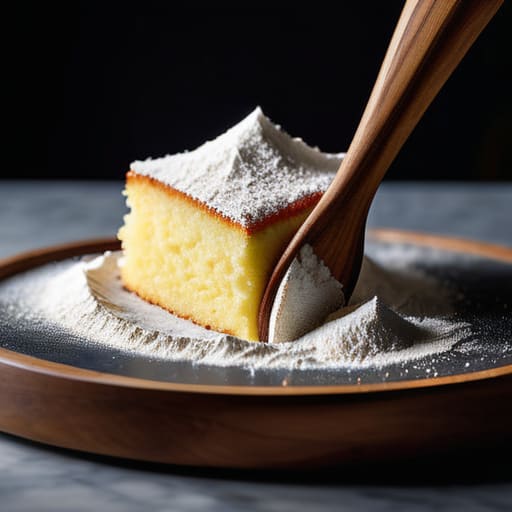
- Watch your yeast like a hawk; sugar is a feast for fermentation, but if you go too heavy on the sweetness too early, you’ll cause a spike in activity that leaves your dough exhausted and flat before it even hits the oven.
- Mind the crust colour or you’ll end up with a burnt exterior and a raw heart; sugar accelerates the Maillard reaction, meaning a dough with high sugar content will look finished long before the internal temperature tells you it’s actually done.
- Respect the hydration shift; because sugar loves to grab onto water, adding more to your recipe effectively “steals” moisture from the flour, so if you increase your sugar by 5%, you’d best be prepared to add a splash more water to keep that dough from feeling tight and stubborn.
- Don’t mistake softness for structure; sugar interferes with gluten strands, making the crumb tender and tight, so if you’re aiming for a chewy, high-tension sourdough, keep the sugar out of it entirely.
- Temperature is your silent partner; high-sugar doughs tend to feel stickier and more temperamental under your hands, so if the dough is fighting you, stop trying to force it and let it rest in a cool spot until it finds its composure.
What to remember when the flour meets the sugar
Sugar is a moisture magnet, not just a sweetener; it holds onto water to keep your crumb soft, but if you overdo it, you’ll end up with a heavy, gummy mess that refuses to set.
Watch your yeast like a hawk when adding sugar, because while a little bit is a breakfast for the dough, a mountain of it will drown the fermentation before the loaf even begins to rise.
Don’t blame the recipe if your cake is tough; sugar interferes with gluten development, so if you want tenderness, you have to balance the weight of your sugar against the strength of your flour.
The Sweet Balance of Science and Soul
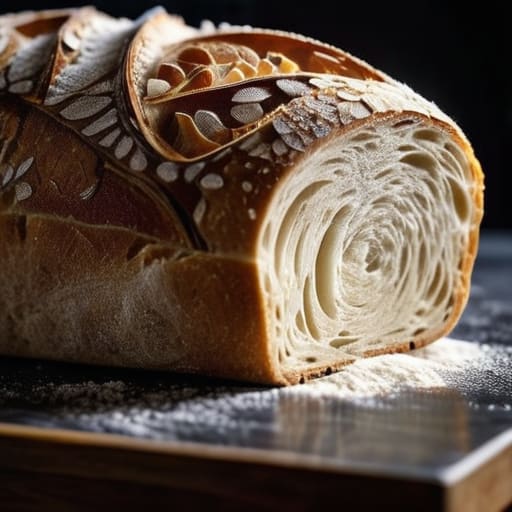
At the end of the day, sugar isn’t just there to make things taste like a confectionary shop; it is a working component that dictates how your dough breathes and how much moisture it holds onto. We’ve talked about how it pulls water into the crumb to keep things soft, and how it competes with the gluten for a seat at the table. If you find your loaves are coming out too dense or your crust is browning before the center is even warm, don’t go throwing the recipe in the bin. Look back at your percentages. You likely either overwhelmed the yeast or failed to account for the extra hydration that sugar demands. It is a delicate tug-of-war between sweetness and structure, and once you understand that sugar is a functional tool, you stop guessing and start baking with intent.
Don’t let the math intimidate you, though. All these weights and scientific properties are just ways to help you listen to what the dough is trying to tell you. If a dough feels slack or a crust looks pale, it’s not a failure—it’s a conversation. Baking is a living thing, and even after thirty-four years, I still find myself adjusting a percentage here or there based on the humidity in the air or the heat in my kitchen. Trust your hands more than your timer, and remember that patience is your greatest ally. The best bakes don’t come from perfect recipes; they come from the willingness to learn from every single loaf that doesn’t go quite as planned.
Frequently Asked Questions
If I'm using a high-hydration dough, will adding sugar make it too sticky to handle properly?
It’s a fair worry, but don’t let the fear of stickiness stop you. Sugar is a bit of a trickster; it softens the dough and makes it feel more supple, which can feel like “stickiness” when you’re used to a stiffer, leaner dough. If you’re sitting at 78% hydration, that sugar will make the dough feel even more relaxed. Just don’t rush the handling. Use a light touch and a bit of extra tension during shaping, and you’ll be fine.
My bread is coming out much darker than usual even though I haven't changed my oven temperature; is that the sugar working too fast?
It sounds like your sugar is doing exactly what it’s meant to do, just perhaps a bit more eagerly than you expected. Sugar is fuel for the Maillard reaction; it wants to caramelize. If your dough has a higher percentage of sugar than your previous batches, or if your kitchen was a few degrees warmer during proofing, that yeast has been busy. You’ve likely increased the available simple sugars, which means a faster, darker crust.
Can I swap granulated sugar for honey or maple syrup in my recipes, or will that mess up my hydration percentages?
You can certainly swap them, but don’t you dare think it’s a direct trade. Honey and syrups are roughly 20% water; if you swap 100g of granulated sugar for 100g of honey, you’ve just spiked your hydration by about 20g. Your dough will feel much slack and stickier than you’re used to. If you want to keep your percentages true, you must subtract that extra water from your liquid weight.