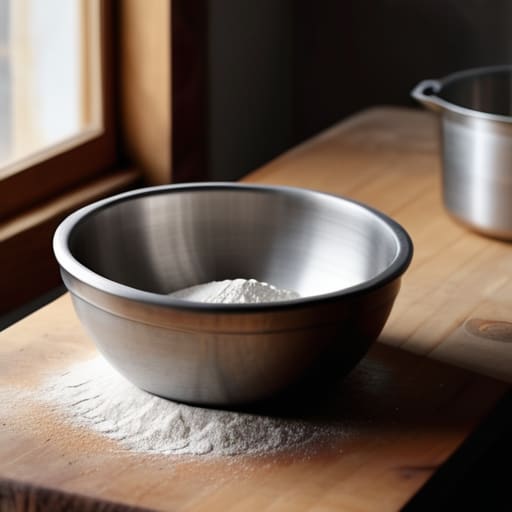
If you’ve spent any time scrolling through your phone lately, you’ve likely been bombarded with some glossy, overproduced “complete guide to starting baking” that insists you need a $600 stand mixer, specialized silicone mats, and a pantry full of expensive, imported grains just to make a decent loaf. Let me tell you something: most of that is absolute nonsense. I spent thirty-four years in a bakery where the oven had no thermostat and the only “equipment” I trusted was my own two hands and a heavy wooden table. You don’t need a laboratory to make bread; you need to stop looking at the gadgets and start looking at the dough.
I’m not here to sell you a lifestyle or a collection of pretty copper bowls. What I am going to give you is a real, unvarnished look at how flour and water actually behave when they meet salt and time. I’ll teach you to stop measuring by the cup—because cups lie—and start thinking in percentages and temperatures. This isn’t about following a recipe like a robot; it’s about learning to listen to the fermentation and feeling when the gluten has finally done its job.
Forget the Cups Mastering Baking Measurements and Conversions
If you walk into my kitchen and try to measure flour with a plastic cup, I’ll likely sigh loud enough to wake the neighbors. I know, it’s what every cookbook tells you to do, but a cup is a liar. Depending on how hard you pack that flour or how much it’s settled in the bag, you could be adding twenty percent more than the recipe intended. That’s the difference between a light, airy crumb and a dense, gummy brick. To truly master baking measurements and conversions, you must put the measuring cups in the back of the cupboard and buy a digital scale.
I work exclusively in weights—grams, mostly—because it is the only way to be certain. When I talk about a dough, I’ll tell you it’s 72% hydration before I tell you it weighs five hundred grams. This allows you to scale any recipe up or down without losing the soul of the bread. Once you stop guessing and start weighing, you’ll realize that many of those frustrating failures weren’t because you lacked talent, but because your measurements were simply inconsistent. Get a scale, learn your percentages, and you’ve already won half the battle.
The Foundation of Grain Understanding Flour Types and Texture
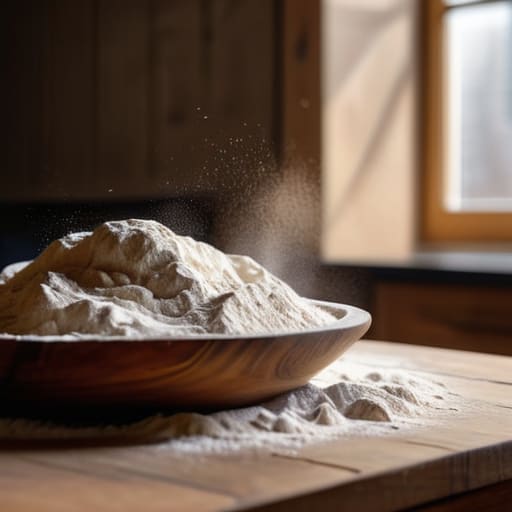
Now, once you’ve put the measuring cups in the bin and found your scale, you need to look at what you’re actually feeding your dough. Most people walk into a supermarket and grab whatever white bag looks cleanest, but understanding flour types is the difference between a loaf that stands proud and one that collapses like a tired lung. You aren’t just looking for “flour”; you are looking for protein. If you want structure—that beautiful, chewy crumb that holds its shape—you need strength. That means bread flour, which has a higher protein content to build the gluten network that acts as the skeleton of your bread.
If you try to use a low-protein cake flour for a sourdough, you’ll end up with a gummy, sad mess, no matter how much you love the recipe. On the other hand, if you use a heavy whole wheat for everything, you’ll find your dough feels sluggish and heavy, like it’s walking through mud. The texture of the flour dictates the soul of the bread. Don’t be afraid to mix them; a little bit of whole grain added to a strong white base can give you a depth of flavor that makes a plain loaf feel like a luxury.
Stop Chasing Perfection and Start Listening to the Room
- Watch your thermometer, not just the clock. A recipe might say “rise for two hours,” but if your kitchen is drafty and cold, that dough is going to sit there like a stone. You have to learn to look for the swell and the bubbles, not just stare at the ticking hand of the clock.
- Respect the hydration. If a recipe calls for 70% hydration, don’t panic if the dough feels a bit slack or sticky at first; that’s just the water doing its job. You can’t fight the moisture, you can only learn how to handle it with a light touch.
- Stop overworking the dough because you’re nervous. I see so many beginners kneading like they’re trying to beat a confession out of a criminal. If you’re too rough, you’ll tear the structure apart before it even has a chance to breathe.
- Temperature is your invisible ingredient. The water you use to mix your dough can make or break your entire morning. If your hands are warm and your water is hot, you’ll rush the fermentation and end up with a sour, heavy mess.
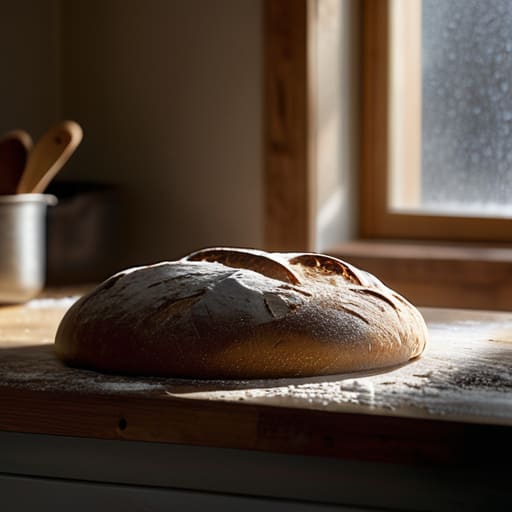
- Embrace the “ugly” loaf. Your first few attempts might not look like the glossy, golden pictures in those glossy magazines, and frankly, I don’t care. If it tastes of grain and has a decent crumb, you’ve succeeded; the beauty comes with the practice, not the first bake.
What You Must Carry Into Your Kitchen
Put the measuring cups in the back of the cupboard and find a digital scale; if you aren’t working in grams and percentages, you aren’t baking, you’re guessing.
Stop looking for the perfect recipe in a book and start looking at your environment—the temperature of your water and the warmth of your kitchen will change your dough more than any printed instruction ever could.
Learn to respect the clock and the tactile reality of the dough, because rushing a fermentation or manhandling a delicate structure is the quickest way to turn a beautiful loaf into a heavy brick.
The Flour on Your Apron
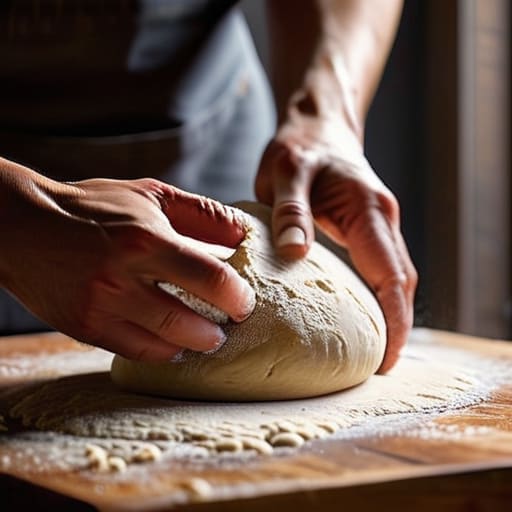
We have covered the essentials: ditching those deceptive measuring cups for a reliable scale, understanding that your flour is the very soul of the loaf, and learning that percentages are the only language that doesn’t lie to you. If you walk away from this guide with nothing else, remember that baking isn’t a series of mathematical equations to be solved, but a relationship to be managed. You cannot control the humidity in your kitchen or the exact temperature of your tap water, and you shouldn’t try to. Instead, focus on the rhythm of the dough and the way it responds to your touch. If you get the weights right and respect the grain, the rest is simply a matter of watching, waiting, and adjusting to what the dough is telling you.
There will be days when your loaf comes out looking like a brick or your sponge refuses to rise, and I want you to promise me one thing: do not throw the batch in the bin and blame the recipe. When that happens, don’t reach for a new cookbook; reach for a notebook. Write down how the kitchen felt and how long you let it rest. Every failed loaf is just a lesson in disguise, teaching you about the invisible forces of time and temperature. Baking is a quiet, slow craft, and it requires a certain kind of stubborn patience that no store-bought yeast can provide. So, get your hands messy, trust your senses more than your eyes, and just keep baking.
Frequently Asked Questions
I've got my scale and my flour, but how do I know if my kitchen is too cold for the dough to actually rise?
If your kitchen feels like a drafty cellar, your dough will feel it too. Don’t just trust a thermometer on the wall; look at the dough. If it’s sitting there looking slumped and lifeless after an hour, it’s cold. I always check the “feel”—it should feel alive, slightly tacky, and spring back gently when poked. If it’s stubborn and heavy, turn the oven on for a minute just to warm the air, then shut it off.
If I'm using a sourdough starter instead of commercial yeast, how much more patience am I actually going to need?
You aren’t just asking for more time; you’re asking to change your relationship with the clock. With commercial yeast, you’re driving a car; with sourdough, you’re tending a garden. You’ll need days, not hours. You’ll spend more time watching the dough rise and feeling for that airy, pillowy tension rather than checking a timer. It’s a slower rhythm, but that’s where the flavor lives. Patience isn’t a delay; it’s your primary ingredient.
Everyone talks about "kneading," but how can I tell if I'm being too rough with the dough or if I've actually developed enough strength?
Listen, dough isn’t a piece of laundry you’re trying to scrub clean; it’s a living thing. If you’re punching it like it owes you money, you’re just tearing the gluten fibers you’ve worked so hard to build. You’ll know you’re being too rough if the dough feels jagged or tears easily under your palms. You want strength, not violence. Look for that silky, elastic tension—where it pushes back against you with a soft, rhythmic spring.