I spent thirty-four years watching people treat dessert like a chemistry experiment or, worse, a way to show off with expensive, imported spices they don’t actually need. Most cookbooks will try to tell you that learning how to poach fruit requires a specialized syrup of rare saffron or heavy cream to be successful, but that’s just nonsense designed to sell more pantry items. If you’ve ever ended up with a bowl of mushy, grey pears that taste more like the pot they sat in than the fruit itself, you haven’t failed the recipe—you’ve simply rushed the heat.
I’m not here to give you a list of fancy garnishes that look lovely in a photograph but taste like nothing. Instead, I’m going to teach you how to listen to the fruit as it softens and how to respect the temperature of your liquid so you don’t boil the life right out of it. We are going to focus on the rhythm of the simmer and the actual texture of the fruit, ensuring that when you finally lift a piece from the syrup, it yields to your spoon exactly when it should.
Selecting the Best Fruits for Poaching and Preserving Texture
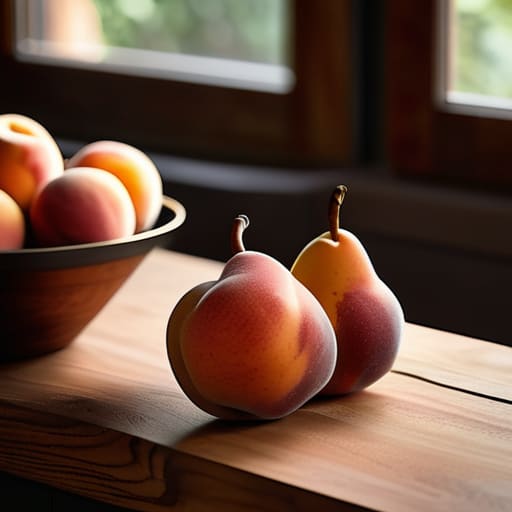
Don’t go reaching for the supermarket fruit that’s been sitting in a refrigerated truck for a week; it’ll turn to mush before you can even get the syrup simmering. When you’re looking for the best fruits for poaching, you want something that has a bit of fight left in it. For pears, look for Bosc or Anjou—they stay firm and hold their shape even after a long soak. If you’re using stone fruits like peaches or plums, wait until they are just barely yielding to a thumb press. If they’re too soft now, they’ll lose their soul in the pot.
The secret to preserving fruit texture isn’t in the sugar, though that’s important for flavor; it’s in the structural integrity of the fruit itself. You want a piece that feels dense and cool in your hand. Once you’ve picked your fruit, you can start infusing liquid with aromatics like star anise or a bruised cinnamon stick, but remember: the fruit is the star, not the spice. If you pick a fruit that’s already overripe, no amount of clever technique will save it from becoming a jammy mess.
Temperature Control for Poaching Why Heat Is a Discipline
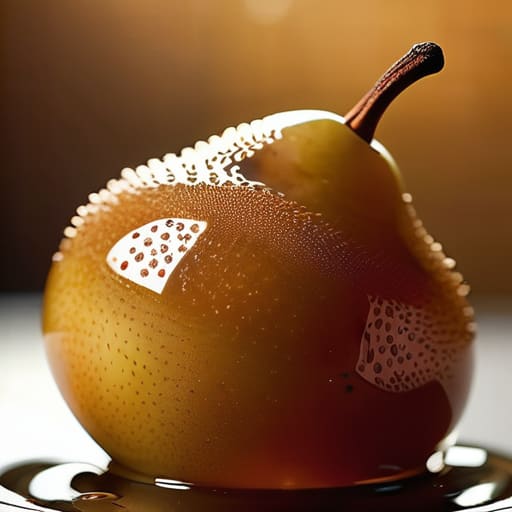
You’ll see plenty of recipes that tell you to just throw everything into a rolling boil and call it a day, but that’s a shortcut to mush. If you want to succeed in preserving fruit texture, you have to treat your heat like a dial, not a hammer. A violent boil doesn’t cook the center of a pear; it just shreds the skin and leaves you with a bowl of sweetened debris. I’ve spent decades watching dough react to temperature, and fruit is much the same—it’s sensitive to the sudden shock. You want a gentle, steady simmer, just enough to see the occasional bubble breaking the surface like a slow breath.
The real magic happens when you are infusing liquid with aromatics. If you crank the heat too high, you’ll boil off the delicate notes of your vanilla bean or star anise before they ever have a chance to migrate into the fruit. Keep it low and slow. This allows the sugar to penetrate the fibers deeply without breaking down the cellular structure that gives the fruit its bite. It’s about discipline; you aren’t just heating a liquid, you are managing a slow exchange of flavor.
Five Truths About Poaching That Your Recipe Won't Tell You
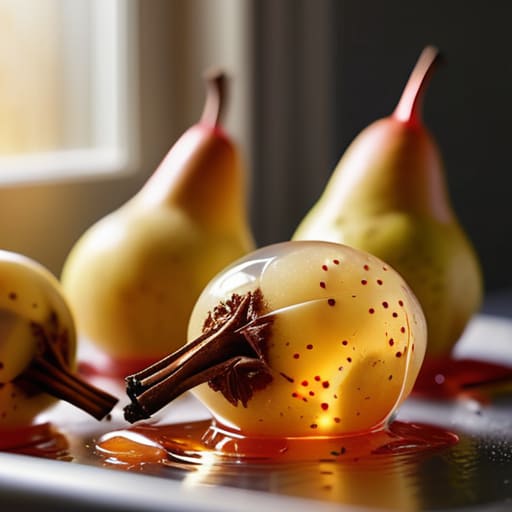
- Watch the fruit, not the clock. A recipe might say twelve minutes, but a peach in a warm kitchen will surrender much faster than one pulled straight from a cold larder. Poke it gently; you’re looking for the moment it yields to your touch, not the moment it looks pretty in a bowl.
- Don’t skimp on the aromatics. If you’re using vanilla or star anise, don’t just toss them in at the end like an afterthought. Let them steep in the liquid while it heats so the flavor actually penetrates the fruit, rather than just sitting on the surface like a perfume.
- Keep your liquid levels honest. You want the fruit submerged enough that it can bathe evenly, but don’t drown it in so much syrup that the flavor becomes thin and watery. The liquid should be a concentrated hug, not a swimming pool.
- Respect the cooling process. If you pull the fruit out of the hot liquid immediately, you’re robbing it of its best flavor. Let it sit in the poaching liquid as it cools; that’s when the fruit truly drinks in the sweetness and the spice.
- Mind your acidity. If you’re working with very sweet fruits, a squeeze of lemon or a splash of verjuice isn’t just a suggestion—it’s a necessity to keep the sugar from feeling heavy and one-dimensional on the tongue.
The Baker’s Essentials for Perfect Fruit
Forget the clock and trust your hands; a piece of fruit is done when it yields to a gentle touch, not when a timer tells you it is.
Respect the liquid—your poaching syrup should be a warm bath, never a rolling boil, or you’ll end up with mush instead of fruit.
Choose fruit that has a bit of fight left in it; if it’s already soft and bruised, no amount of careful poaching will save it from turning into jam.
The Final Touch
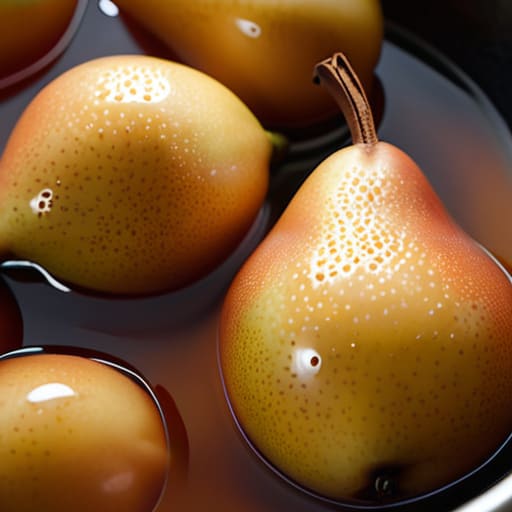
At the end of the day, poaching is a lesson in restraint. You’ve learned that the fruit must be firm enough to hold its shape, that your poaching liquid needs enough sugar to carry the flavor but not so much that it becomes a syrup, and most importantly, that heat is a tool, not a hammer. If you’ve kept your temperature steady and let the fruit sit in that warm bath until it yields just enough to be tender, you’ve done the hard work. Remember, if the fruit looks a bit bruised or the liquid is slightly cloudy, don’t panic; that’s just the reality of working with something living. Trust your hands and your palate over any timer you might set on your phone.
I spent decades watching dough rise in the dark of a cold bakery, and I can tell you that the best things in life rarely happen at a boil. Poaching is much the same. It is a quiet, slow process that asks nothing of you but your attention. When you finally lift that fruit from the pot and see how it has taken on the color and scent of the spices, you’ll realize that patience is the secret ingredient that no shop can sell you. Don’t worry about making it look like a professional photograph; just make sure it tastes like the care you put into it. Now, go pour yourself a glass of something cold and enjoy what you’ve made.
Frequently Asked Questions
If I’m using frozen fruit because the season has passed, how much do I need to adjust the poaching time so it doesn't turn into mush?
Frozen fruit is a different beast entirely. You aren’t just poaching; you’re managing a thaw. If you toss them straight into a boiling syrup, the outside will turn to mush before the core even realizes it’s warm. Start with your liquid cold or just barely lukewarm, then bring the heat up slowly. You’ll likely shave five to ten minutes off your usual time, but don’t watch the clock—watch the fruit. It should yield to a gentle press, not disintegrate.
Can I use the leftover poaching liquid for something else, or does the fruit flavor leave it too thin and watery?
Don’t you dare pour that liquid down the drain. It isn’t “watery”; it’s a concentrated essence of everything you just simmered. If it feels thin, it’s because you haven’t given it the respect of a reduction. Simmer it down until it coats the back of a spoon. Use it as a glaze, a base for a bright sorbet, or pour it over thick cream. It’s liquid gold, provided you have the patience to reduce it.
My fruit is still quite firm even after simmering; did I miss the window, or is my heat just not quite right?
You haven’t missed the window, you’ve just rushed the process. If the fruit is still firm, your heat was likely too high. When you boil fruit, the outside cooks and turns to mush before the heat ever reaches the center. Turn it down. Let it simmer so gently you can barely see the bubbles breaking the surface. You’re waiting for the fruit to yield to your touch, not to fight back.