I remember a young man coming into the shop years ago, frantic because his wedding cake frosting had turned into a grainy, yellow mess just hours before the reception. He had followed a beautiful photograph online, but he didn’t understand how Swiss and Italian meringue buttercream differ when it comes to the actual physics of the fat and the air. Most people treat these two like they are interchangeable, but that is a recipe for heartbreak. One is a steady, warming process of heating egg whites and sugar, while the other is a high-stakes dance with a boiling sugar syrup that demands your absolute undivided attention.
I am not here to give you a list of ingredients and tell you to “mix until smooth.” Instead, I want to talk to you about the temperature of your butter and the stability of your meringue. I will show you why one yields a silkier finish for delicate piping while the other stands up to a humid afternoon without weeping. We aren’t looking at pretty pictures today; we are looking at the behavior of the emulsion and the patience required to master it.
Swiss Meringue Buttercream
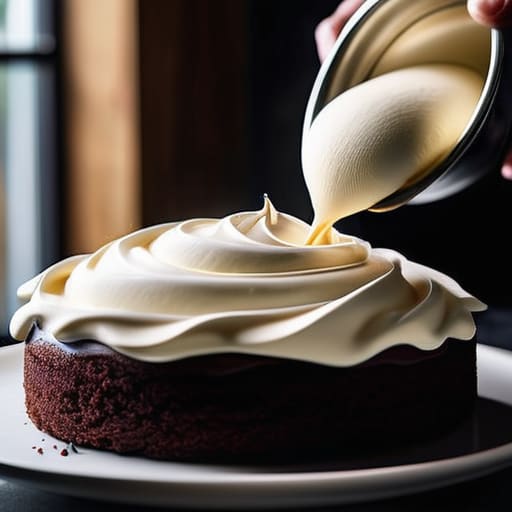
Swiss meringue buttercream is a cooked meringue base made by gently heating egg whites and sugar together until the sugar is fully dissolved, creating a stable, silky emulsion. The core mechanism relies on this precise heat to ensure the proteins are prepared to hold air, resulting in a finish that is remarkably smooth and refined. When you are looking at how Swiss and Italian meringue buttercream differ, you will find that the Swiss method offers a much more consistent, less temperamental structure that stands up beautifully to piping.
In my years behind the counter, I’ve found that Swiss is the reliable friend you want when you have a wedding cake to finish and no time for tantrums. It doesn’t have that aggressive, sugary bite; instead, it provides a velvety mouthfeel that lets the actual flavor of your vanilla or chocolate shine through. It is the kind of frosting that feels sophisticated on the tongue, rather than just a coating of sweetness, because the heat has done the hard work of smoothing out the grain before you even touch the butter.
Italian Meringue Buttercream
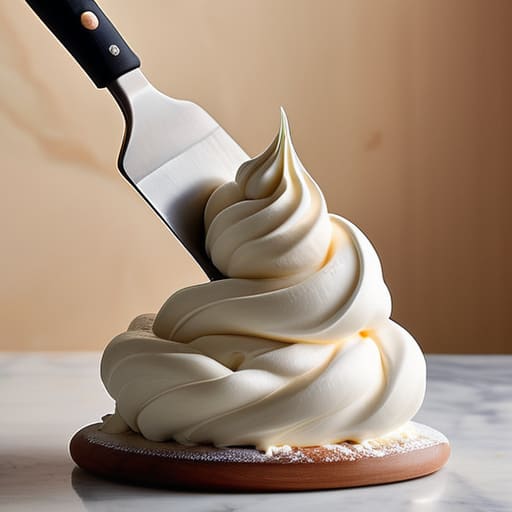
Italian meringue buttercream is created by pouring a hot, cooked sugar syrup into whipping egg whites, which stabilizes the foam through intense heat and concentration. This method is prized for its incredible structural integrity and its ability to remain stable even in slightly warmer environments. Understanding how Swiss and Italian meringue buttercream differ often comes down to this specific technique: the syrup creates a dense, glossy meringue that acts as a powerful scaffolding for the butter, making it the gold standard for high-stakes decorating.
There is a certain drama to working with Italian meringue—it requires a watchful eye and a steady hand to ensure that syrup doesn’t catch or cook the eggs too quickly. But once you master that dance, the reward is a buttercream that feels unbelievably light yet holds its shape like a dream. I always tell my apprentices that while it takes more patience to manage the boiling sugar, the way it holds a sharp, crisp edge on a piped rose is worth every extra minute spent hovering over the stove.
Comparison of Swiss and Italian Meringue Buttercream
| Feature | Swiss Meringue Buttercream | Italian Meringue Buttercream |
|---|---|---|
| Preparation Method | Heating egg whites and sugar over a double boiler | Pouring hot sugar syrup into whipping egg whites |
| Difficulty Level | Moderate (requires precise temperature control) | High (requires precise syrup temperature and pouring technique) |
| Stability | High (very stable and smooth) | Very High (most stable due to cooked syrup) |
| Texture | Silky and light | Dense and extremely smooth |
| Best For | Piping intricate flowers and smooth cake coating | Sculpting, heavy decorating, and warm climates |
| Risk Factor | Slightly higher risk of undercooking egg whites | Higher risk of graininess if syrup is too hot or added too fast |
Stability of Italian vs Swiss Meringue the Physics of Structure
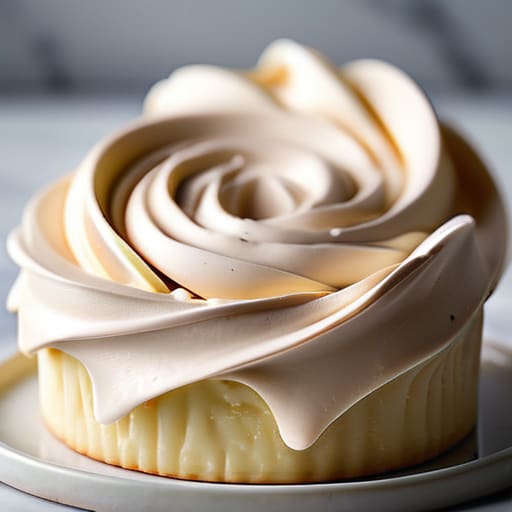
If you’re planning a wedding cake that needs to sit in a marquee for six hours, or if you’re just tired of watching your decorations slump into a puddle, you need to understand the physics. Stability isn’t just a buzzword; it is the difference between a professional finish and a kitchen catastrophe. When we talk about how Swiss and Italian meringue buttercream differ, we aren’t just talking about taste—we are talking about the structural integrity of your work.
Italian meringue is the heavyweight champion here because it relies on cooked sugar syrup. By pouring hot syrup into your whites, you aren’t just making a foam; you are creating a tightly bound, thermally stable matrix that resists melting far better than its cousin. Swiss, while lovely and silky, relies on gentle heat to dissolve sugar into egg whites, which creates a beautiful texture but leaves it much more vulnerable to the ambient temperature of a warm room.
If your priority is a cake that stands tall and weathers the heat, Italian is your winner. It is more temperamental to make, but it offers the unshakeable structural backbone that Swiss simply cannot match.
Meringue Buttercream Texture Comparison Silk Versus Substance
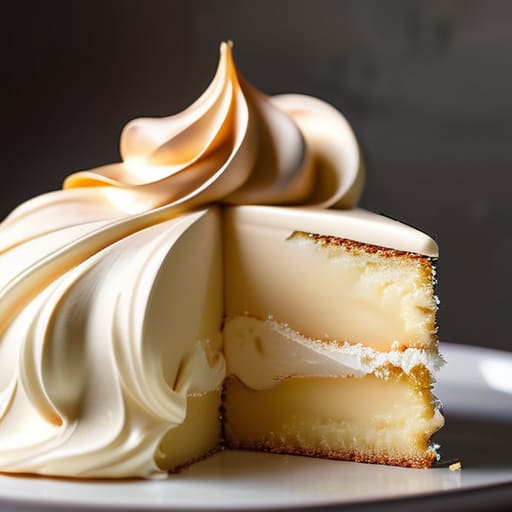
You can have the most stable structure in the world, but if the mouthfeel is wrong, the cake is a failure. In the debate between Swiss and Italian, texture isn’t just a detail; it is the soul of the dessert. People don’t eat a cake to chew on wax; they eat it for that fleeting moment when the sweetness dissolves into something luxurious.
Swiss meringue buttercream is all about that effortless, velvety silk. Because you’re heating the egg whites and sugar together before emulsifying, the proteins are incredibly fine and well-integrated. It coats the tongue without a trace of grain, feeling more like a heavy cream than a fat-based frosting. It is the choice for when you want the decoration to feel like a whisper.
Italian, on the other hand, has a certain decadent substance. That hot sugar syrup creates a slightly more robust, aerated structure. It feels a bit more substantial on the palate—not heavy, mind you, but it has a presence that Swiss lacks. It’s a buttercream that stands up to itself, offering a richer, more substantial bite that lingers just a second longer.
If you are chasing pure, unadulterated smoothness, Swiss is your winner.
The Baker's Final Word: Choosing Your Method
If you are decorating a tiered wedding cake that needs to sit in a warm room for three hours, reach for the Italian; it’s the structural integrity of that boiled sugar syrup that keeps the weight of the tiers from collapsing your hard work.
For a simple bundt cake or a batch of cupcakes where you want the buttercream to melt away on the tongue like silk, stick to the Swiss; it is more forgiving to work with and lacks that heavy, sugary grip.
Remember that your biggest enemy isn’t the recipe, but your thermometer—whether you are heating egg whites or boiling syrup, if your temperature is off by even a few degrees, you aren’t making buttercream, you’re making a mess.
Choosing Your Path
At the end of the day, choosing between these two isn’t about which one is “better,” but about what your cake needs to endure. If you are decorating a tiered wedding cake that will sit in a warm marquee for three hours, you want the structural integrity and unyielding stability of an Italian meringue. It is the workhorse of the professional kitchen. But if you are sitting at your own kitchen table, celebrating a quiet Sunday with a sponge that just needs a cloud of sweetness, the Swiss method offers a level of silken elegance that is hard to beat. One provides the architecture, while the other provides the pure, velvet luxury of the mouthfeel.
Don’t let the fear of a broken emulsion or a grainy texture keep you from picking up the whisk. If your buttercream looks curdled, don’t throw it away—it’s likely just too cold or too warm, and a little heat or a bit more whisking will usually coax it back into submission. Baking is a conversation between you and the ingredients, and sometimes you have to listen to what the butter is telling you. So, pick a method, trust your hands more than the timer, and remember that the best buttercream is the one you actually finish eating.
Frequently Asked Questions
If my kitchen is particularly cold, will one of these frostings seize up or lose its shine faster than the other?
If your kitchen is drafty, the Italian meringue is going to be your headache. Because it relies on that hot sugar syrup to stabilize the structure, it’s much more sensitive to a sudden chill; it can seize up or go matte if you don’t work quickly. Swiss is more forgiving—it’s a more cohesive, stable emulsion. Just keep your butter at a true room temperature, or you’ll be fighting lumps instead of temperature.
I’m working with a delicate sponge that can't hold much weight; should I be reaching for the stability of the Italian or the lightness of the Swiss?
If your sponge is delicate, you’re looking for air, not an anchor. Reach for the Swiss. Italian meringue is a powerhouse, but it’s heavy—it has a structural density that can crush a light crumb under its own weight. Swiss is more ethereal, more silk-like; it sits on a sponge rather than sinking into it. Just remember, that lightness means you can’t leave it out in a warm room for long. Keep it cool, keep it light.
Since I don't have a digital scale handy, can I actually trust a cup measurement for the sugar needed to make these stable?
Listen, I know it’s tempting when you’re mid-whisk, but cups are a liar’s tool in a bakery. One person’s “cup” of sugar is packed tight like wet sand, and another’s is a loose cloud. In a meringue, that’s the difference between a stable structure and a weeping, grainy mess. If you can’t weigh it, at least level your scoops with a knife, but don’t expect perfection. Precision is how we respect the ingredients.