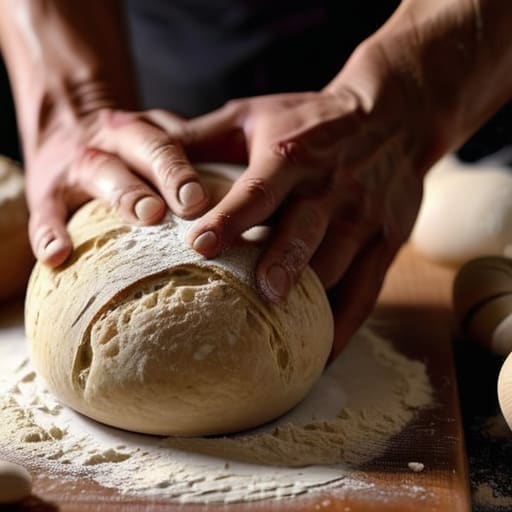
I remember standing in my bakery at four in the morning, thirty years ago, watching a batch of dough sit perfectly still while the winter chill seeped through the window frames. I had followed the recipe to the gram, but the loaf came out of the oven looking like a deflated pancake. Most people would have blamed the yeast, assuming it was “dead” or “bad,” but that’s where they get it wrong. They treat it like a chemical powder you just dump in and forget, but if you want to understand how yeast actually works, you have to stop thinking about it as an ingredient and start treating it like a guest in your kitchen.
I’m not here to bore you with biology textbooks or fancy scientific jargon that makes your head spin. Instead, I’m going to tell you what that living, breathing culture is doing inside your bowl and why your kitchen temperature matters more than the brand of flour you buy. I promise to give you the unvarnished truth about fermentation, stripped of the marketing hype, so you can finally stop guessing and start listening to what your dough is trying to tell you.
The Microbiology of Saccharomyces Cerevisiae and Its Silent Labor

Now, don’t let the fancy name Saccharomyces cerevisiae intimidate you; it’s just a tiny, hungry worker living in your flour. When you mix your dough, you aren’t just stirring ingredients; you are setting the stage for a massive biological process of fermentation. These little microbes wake up and immediately start looking for a meal, specifically looking for the sugars tucked away in the starch of your flour. The role of glucose in yeast growth is everything—it is their fuel. They consume those sugars and, in exchange, they give us the life of the bread.
As they eat, they begin their silent labor, moving through their metabolic pathways to turn that sugar into something useful for us. This results in the steady carbon dioxide production in baking that we rely on to lift those heavy layers of dough. If your kitchen is a tomb, they’ll sleep; if it’s a sauna, they’ll panic and burn through their fuel too fast. You’re looking for that steady, rhythmic breathing where the dough expands with purpose, not a frantic burst that leaves you with no flavor in the end.
The Vital Role of Glucose in Yeast Growth
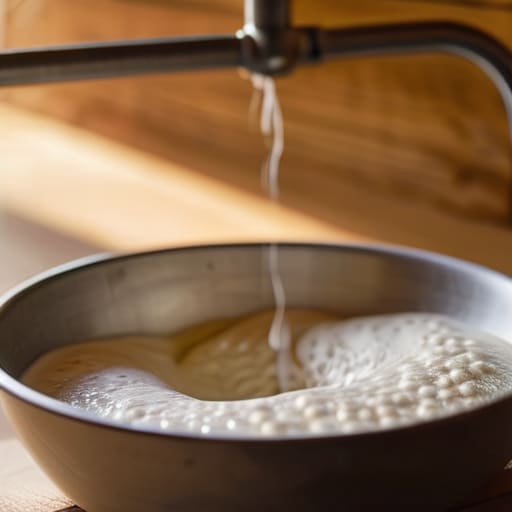
Think of glucose as the fuel in the engine. You can have the finest flour and the most patient hands, but if those little microbes don’t have something to eat, they aren’t going to do a lick of work for you. In the simplest terms, the role of glucose in yeast growth is to provide the energy required for them to wake up and start multiplying. When you mix your flour and water, the enzymes in the grain begin breaking down complex starches into those simple sugars. It’s a quiet, invisible transformation, but it’s the very foundation of everything that follows.
Once the yeast finds that sugar, it kicks into gear through its various yeast metabolic pathways, consuming the glucose and turning it into something much more useful to us: alcohol and gas. This is the heart of the biological process of fermentation. You’ll see it manifest as those tiny, frantic bubbles appearing in your dough, which is really just the byproduct of the yeast breathing. If your dough is sluggish, don’t go blaming the yeast itself; check your water temperature or your flour quality. You haven’t given them enough to feast on, or the environment is too harsh for them to properly digest their meal.
Five Truths for Working with Living Things

- Temperature is your thermostat, not a number on a screen. Yeast is a living creature, not a chemical powder; if your kitchen is a drafty cellar, they’ll sleep through their shift, and if it’s too hot, they’ll burn through their food too fast and leave you with a loaf that tastes like nothing but air and regret.
- Stop treating your dough like a clock. I don’t care if a recipe says “let rise for one hour”—that’s a suggestion, not a law. You have to look for the swell, feel the lightness, and wait until the dough actually looks like it has life in it before you even think about shaping it.
- Water temperature is the most common way people kill their momentum. If you’re using water that’s too hot, you aren’t “activating” the yeast, you’re scalding it, and once those cells are dead, no amount of kneading will bring the life back to your bread.
- Respect the salt, but don’t fear it. Salt isn’t just for flavor; it’s a regulator that keeps the yeast from eating everything in sight too quickly. If you skip it or dump it directly onto a pile of yeast, you’re going to have a chaotic fermentation that you can’t control.
- Listen to the dough, not the timer. A dough at 75% hydration feels different than one at 65%, and it will behave differently depending on the humidity in your room. If the dough feels tight and stubborn, it needs more time to relax; if it feels slack and exhausted, it’s likely over-proofed and needs to go into the oven immediately.
What to Remember Before You Reach for the Flour
Yeast is a living creature, not a chemical additive; treat it with the respect a living thing deserves by giving it the right temperature and enough time to wake up.
Sugar is fuel, but don’t get greedy—too much glucose can actually slow your yeast down by drawing the moisture out of them, so trust the flour to do the heavy lifting.
If your dough isn’t rising, stop looking for a new recipe and start looking at your kitchen temperature; yeast doesn’t care about your schedule, it only cares about its environment.
Respecting the Living Breath
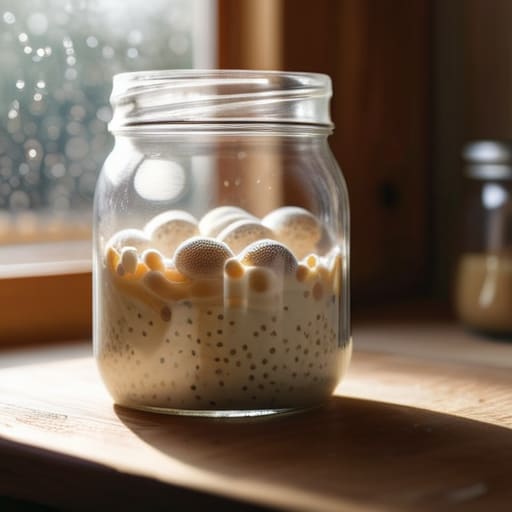
At the end of the day, understanding the science behind Saccharomyces cerevisiae isn’t about memorizing textbook definitions; it’s about realizing that you aren’t just mixing ingredients, you are managing a tiny, hungry population. We’ve looked at how these microscopic workers transform simple sugars into the gases that lift your crumb and the alcohols that deepen your flavor. If you remember nothing else, remember that yeast is a living thing that requires the right environment to thrive. It needs the correct temperature to wake up, enough food to stay active, and—most importantly—the patience to work at its own pace without you interfering or trying to force the clock.
When you stand in your kitchen and feel that first soft swell of a dough beginning to rise, I want you to stop seeing it as a chemical reaction and start seeing it as a partnership. You provide the flour, the water, and the warmth, and in return, these tiny organisms provide the soul of your bread. Don’t let the technicalities intimidate you; let them empower you. Once you stop fighting the biology and start listening to what the dough is telling you, you’ll find that baking isn’t a chore of precision, but a beautiful, slow-motion dance with life itself. Now, go check your bulk fermentation—it’s waiting on you.
Frequently Asked Questions
If yeast is a living thing, why does my dough sometimes sit there like a dead weight even when I've followed the recipe to the gram?
Listen, if your dough is sitting there like a stone, it isn’t because the recipe lied to you; it’s because your environment did. Yeast is a living thing, not a machine you just switch on. If your kitchen is drafty or your water was a touch too hot, you’ve either put them to sleep or killed them outright. Check your ambient temperature. Most folks forget that a cold room steals a dough’s momentum every single time.
Can I actually use the same starter for years, or does the yeast eventually get tired and lose its strength?
Goodness, no. Yeast doesn’t get “tired” like I do after a long shift, but it can certainly get sluggish if you neglect it. Think of your starter like a garden; if you don’t feed it, the good microbes get crowded out by the ones that thrive on neglect. As long as you keep feeding it fresh flour and water, that colony stays vigorous. It’s not about exhaustion; it’s about keeping the environment right for them to thrive.
How much does the temperature of my water actually change the way the yeast behaves during that first mix?
Water temperature is everything. Think of yeast like a person: if you throw them into a freezing bath, they’ll just huddle up and go dormant; if you throw them into boiling water, you’ve killed them outright. I aim for a dough temperature of around 25°C. If your water is too cold, that first mix will feel sluggish, and your bulk fermentation will take hours longer than you planned. Control the water, control the pace.