I’ve spent half my life watching people throw money at expensive steam injectors and heavy-duty deck ovens, convinced that a professional-grade setup is the only way to get a decent crust. It’s a nonsense notion. If you’ve been staring at a flat, pale loaf and wondering how to bake sourdough in a domestic oven without a commercial setup, you aren’t lacking equipment; you’re likely just fighting a losing battle against unpredictable heat. I spent thirty-four years working a wood-fired oven that had the temperament of a moody child, and if that taught me anything, it’s that a piece of metal in your kitchen can be mastered if you stop treating it like a set-it-and-forget-it appliance.
I’m not going to give you a list of fancy gadgets you don’t need or a recipe that requires a degree in thermodynamics. Instead, I’m going to tell you how to listen to your dough and how to manipulate the steam and heat you already have. We are going to talk about thermal mass, why your oven’s thermometer is likely lying to you, and how to manage your hydration to compensate for a lack of professional airflow. No fluff, no expensive distractions—just the honest mechanics of heat and time.
Preheating Domestic Ovens for Bread Why Heat Must Be Constant
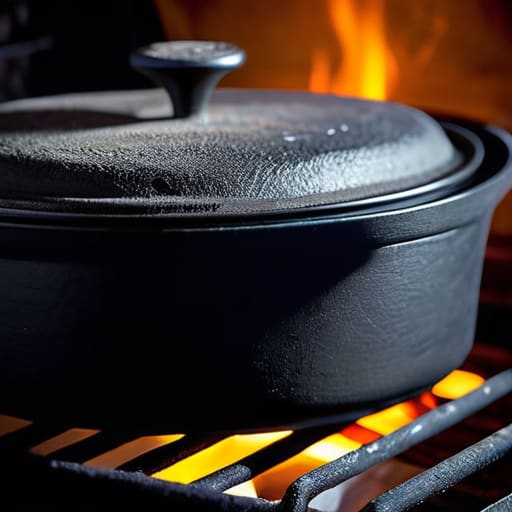
Most people think that once the little light on the front of the oven clicks off, they’re ready to load the dough. That is a mistake that leads to nothing but sad, flat loaves. Your home oven is a fickle beast; it might say it’s reached 250°C, but the air is a liar. The actual thermal mass—the heavy stone or the cast iron of your pot—is what holds the truth. When you are preheating domestic ovens for bread, you aren’t just warming the air; you are building a reservoir of heat that won’t vanish the moment you crack the door open.
I always tell my students to give the oven at least an hour, even if the dial says it’s done in fifteen minutes. If you are using a baking stone vs a dutch oven, the stone needs that extra time to become a heat battery. If you rush this, the temperature will plummet the second the dough hits the surface, and you’ll lose that initial spring. You want a heat so steady and deep that it greets the dough like a warm embrace, not a passing breeze.
Sourdough Oven Temperature Settings Trusting the Math Over the Dial
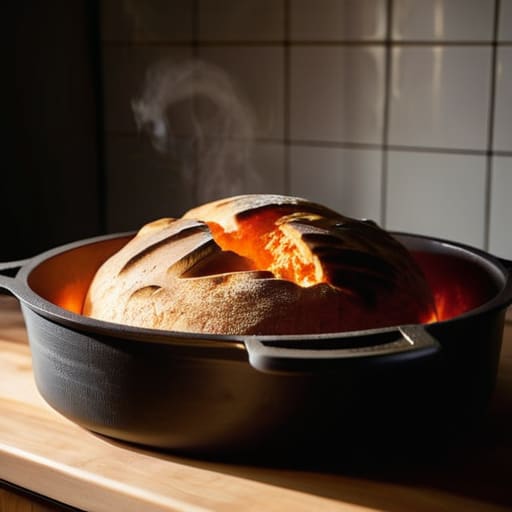
Most people look at their oven dial, see a number, and think the job is done. They see 230°C and assume they’re ready to go. But dials are liars; they tell you what the machine thinks it is doing, not what is actually happening to your loaf. When you are artisan bread baking at home, you have to stop thinking in degrees and start thinking in thermal mass. A domestic oven is a leaky box that loses heat every time you crack the door, and if you haven’t built up enough heat in your vessel—be it a heavy Dutch oven or a thick baking stone—that temperature will plummet the second the dough hits the surface.
I always tell my students to ignore the “beep” and watch the recovery. If you are using a Dutch oven, you aren’t just heating the air; you are preheating a heat reservoir. This is the secret to achieving crispy sourdough crust without the middle staying gummy. You want that heat to be deep and unshakeable. If your oven struggles to climb back up after you load your bread, you haven’t given it enough time to settle. Don’t rush the math; let the heat soak into the stone until the kitchen itself feels heavy with it.
Five Truths for the Home Baker’s Oven
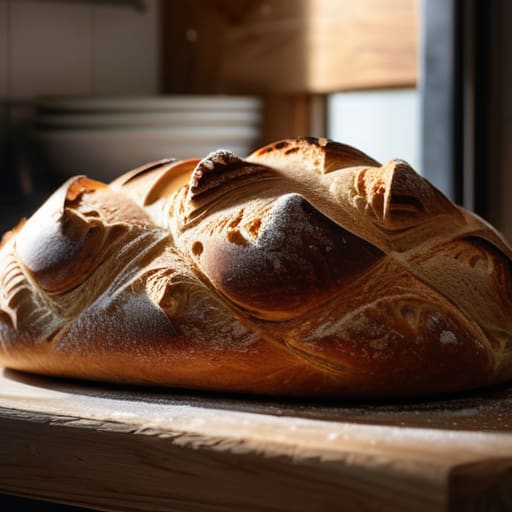
- Stop relying on the little beep of your timer and start watching the steam. In a domestic oven, the moisture levels drop faster than they ever would in a professional deck oven, so if you aren’t seeing that beautiful, misty bloom in the first ten minutes, you aren’t giving your dough enough humidity.
- Use a heavy Dutch oven or a baking stone, but don’t just toss them in; they need to be part of the thermal mass. A standard home oven is a fickle beast that loses heat the moment you crack the door, so you need that heavy cast iron to act as a heat reservoir to keep the temperature from plummeting when you load your loaf.
- Learn the “finger poke test” for your final proof rather than following a clock. If your kitchen was a few degrees cooler than yesterday, that dough is going to take longer, and if you try to force it into the oven too early just because the recipe says ‘two hours,’ you’ll end up with a dense, gummy brick that refuses to rise.
- Watch your oven’s “hot spots” like a hawk. Most domestic ovens are uneven, heating more aggressively at the back or the top, so if your crust is darkening too quickly on one side before the crumb is set, you’ll need to rotate your vessel halfway through—not because the recipe says so, but because your oven is being temperamental.
- Respect the cooling period; a loaf is not finished when it leaves the heat. If you slice into a hot sourdough, you are essentially steaming the interior and ruining the structure you worked so hard to build; let it sit on the rack until it’s truly room temperature, or you’ll find the crumb has turned to mush.
The Baker's Truth: Three Things to Carry in Your Pocket
Forget the timer; learn to feel the dough’s life. A recipe tells you what to add, but it won’t tell you if your kitchen is five degrees too cold or if your hands are being too heavy-handed during the fold. If the dough feels tight and stubborn, give it time; if it feels slack and soupy, stop touching it and let it rest.
Stop measuring by volume and start measuring by weight. A cup of flour can weigh more or less depending on how much you’ve packed it down, but 500 grams is always 500 grams. If you want to understand your hydration—and you must—you have to use a scale, or you’re just guessing in the dark.
Your oven is a fickle beast, not a scientific instrument. A dial might say 250°C, but the air inside is rarely that consistent. Don’t just trust the number; use a stone to hold the heat and watch how the crust reacts to the steam, because the oven will always tell you more than the little red light ever could.
The Final Proof
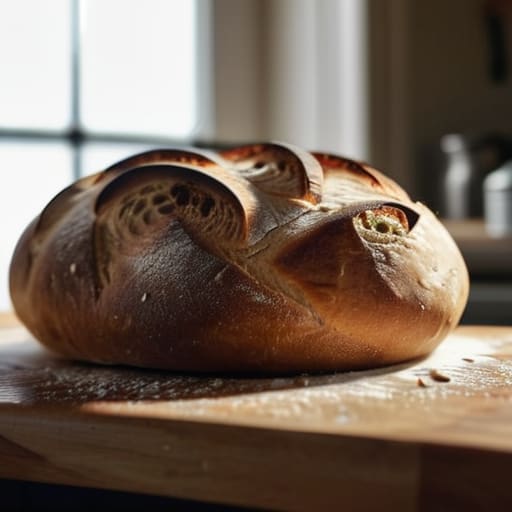
At the end of the day, baking sourdough in a domestic oven is a game of managing variables you cannot truly control. You have to account for the way your oven loses heat every time you crack the door, the way a draft from a window might chill your proofing basket, and the fact that your kitchen thermometer is likely lying to you. Remember that success lies in the consistency of your heat and the precision of your hydration, not in following a set of instructions like a robot. If your crust is too pale or your crumb is tight, don’t go hunting for a new recipe; instead, look at your oven temperature, your steam levels, and how much you rushed the dough through its final rest.
Don’t let a flat loaf or a burnt bottom discourage you from reaching for the flour tomorrow morning. Every single failure is just the dough telling you something about your environment, and more importantly, something about your own patience and intuition. Baking isn’t about achieving a perfect photograph for someone to scroll past; it is about the quiet, rhythmic satisfaction of feeding a starter and watching a living thing transform in the heat. So, forgive your oven for its moods, trust your hands more than your eyes, and remember that the best bread is grown, not just baked.
Frequently Asked Questions
My crust is thick and burnt, but the inside is still gummy and underbaked; what am I doing wrong?
That sounds like your oven is lying to you. You’ve got plenty of radiant heat hitting the surface—scorching that crust—but not enough penetration to cook the heart. It’s usually one of two things: your oven temperature is too high right at the start, or you aren’t using enough steam. Without steam, the crust sets too early, creating a hard shell that traps moisture inside. Lower the heat slightly, use a Dutch oven, and let it breathe.
How much steam do I actually need to create in a tiny kitchen without setting off the smoke alarm?
You don’t need a steam injection system to get a decent crust; you just need enough moisture to keep that skin supple while the bread expands. If you’re terrified of the smoke alarm, skip the heavy cast iron and go for a simple tray of boiling water at the bottom of the oven. Just a splash at a time. It’s about the humidity in the air, not a cloud of thick, choking vapor.
Should I be using a Dutch oven, or can I get a proper bake using just a baking stone and a tray of water?
You can certainly use a stone and a tray of water, but you’re asking for more work. A Dutch oven is a cheat code; it traps the steam the dough breathes out, creating that glorious, thin crust we all crave. If you go the stone route, you’d better be ready to manage your steam manually and precisely. A stone provides great bottom heat, but without that enclosed humidity, your crust might set too fast and trap your loaf.