I spent thirty-four years waking up at four in the morning to the sound of flour hitting wooden bowls, and if there is one thing those decades taught me, it’s that you can’t buy your way to a perfect crust with a fancy label. I see people in the specialty aisles nowadays, clutching bags of “artisanal” flour as if the price tag alone will guarantee a rise, but they don’t realize that understanding how bread flour brands differ isn’t about finding the most expensive bag on the shelf. It’s about knowing which mill understands protein, and which one is just selling you bleached dust that will collapse the moment you try to shape a boule.
I’m not here to give you a marketing lecture or a list of prestige brands to worship. Instead, I’m going to tell you what actually happens when that flour hits your water—how the absorption rates shift and why one brand might make your dough feel stubborn and tight while another flows like silk. We are going to look past the bright packaging and talk about the character of the grain, so you can stop guessing and start actually feeling what your dough is trying to tell you.
A Flour Protein Percentage Comparison You Can Trust
Now, I know what you’re thinking—you want a neat little spreadsheet showing every brand from the supermarket to the specialty mill. But a flour protein percentage comparison on paper is a half-truth if it doesn’t account for how that protein actually behaves when it hits the water. You’ll see one brand claiming 12.7% and another at 13.2%, and you might think that extra half-percent is a magic wand. It isn’t. What it really tells you is how much thirsty, structural muscle that flour has.
When I was running the shop, I learned that the real magic lies in the water absorption rates in flour. A high-protein flour isn’t just “stronger”; it’s more demanding. If you use a heavy-duty brand with a high gluten content in bread flour but treat it like a delicate pastry flour, you’ll end up with a loaf that’s tight, stubborn, and dense. You have to match your hydration to the specific character of the grain. Don’t just chase the highest number on the bag; look for the flour that listens to your hands and gives you the elasticity you need to actually shape a loaf without it fighting you back.
Commercial vs Artisanal Flour Brands the Cost of Convenience
You’ll see it every time you walk down a supermarket aisle: those massive, brightly colored bags promising “professional results” for a handful of coins. But there is a reason those bags are so cheap, and it isn’t just the marketing. When we talk about commercial vs artisanal flour brands, we aren’t just discussing the price tag; we are discussing the soul of the grain. Commercial flour is often stripped, bleached, and standardized to such a degree that it becomes predictable—and predictable is the enemy of flavor. It’s designed to behave exactly the same way every single time, which makes it easy for a factory, but it leaves you with a loaf that has all the character of a piece of drywall.
Artisanal mills, on the other hand, tend to care about the whole grain. Because they aren’t trying to create a universal commodity, you’ll notice significant variations in water absorption rates in flour from one batch to the next. An artisanal flour might be thirstier one week and more forgiving the next, depending on the harvest. This requires you to actually pay attention to the dough in your hands rather than blindly following a set of numbers. If you want a loaf that tastes like something grew in the earth rather than something made in a lab, you have to accept that the flour will have a bit of a temper.
Five Things the Flour Bag Won't Tell You
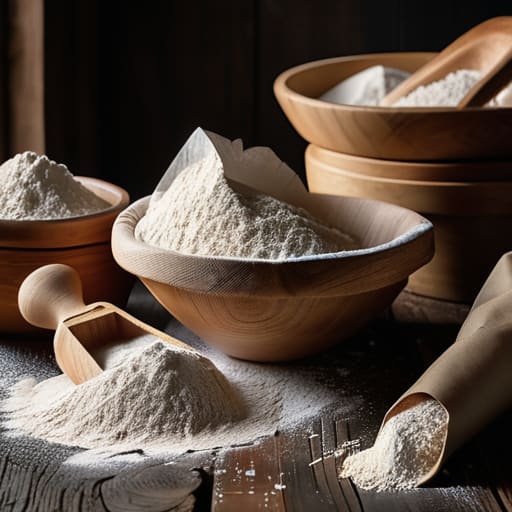
- Stop trusting the protein number on the front of the bag blindly. A 13% protein flour from one mill might behave like a 12% from another depending on how much they’ve processed it; you have to feel the resistance when you’re developing that gluten, not just read the label.
- Watch out for “fortified” flours if you’re looking for character. Some commercial brands add vitamins back in to meet regulations, but that extra bit of chemistry can sometimes mess with how your starter interacts with the grain, making the fermentation feel a bit sluggish or unpredictable.
- The “whiteness” of the flour is often a sign of how much has been stripped away. If your flour looks like bleached snow, it’s lost the very nutrients and minerals that give a crust its deep, caramelized color and that nutty aroma we’re all chasing.
- Don’t be afraid of the ash content, even if you’ve never heard the term. Higher quality, less-processed brands often have a slightly higher mineral content—what we call ash—which gives the dough a more complex, soulful flavor that a highly refined, “clean” flour simply can’t mimic.
- Learn to sense the absorption rate of different brands. One brand might be thirsty and soak up 75% hydration like a sponge, while another might feel slack and sticky at that same percentage. Never stick to a rigid number; if the dough feels shaggy and uncooperative, give it a splash more water, regardless of what the recipe says.
Three Things to Remember Before You Reach for the Bag
Stop trusting the bold print on the packaging; a brand might claim high protein, but if that flour has been sitting in a damp warehouse or processed too finely, it won’t have the structural backbone your dough needs to hold its shape.
Don’t be afraid of a little inconsistency between brands—if your dough feels tighter or more stubborn than usual, don’t just add more water blindly, adjust your hydration by a few percentage points and listen to how the flour is behaving.
The cheapest flour isn’t always the best value if it lacks the character to stand up to long fermentation; remember that you aren’t just buying powder, you’re buying the potential for flavor, and that requires a flour that can actually handle the time you’re giving it.
Beyond the Brand Name
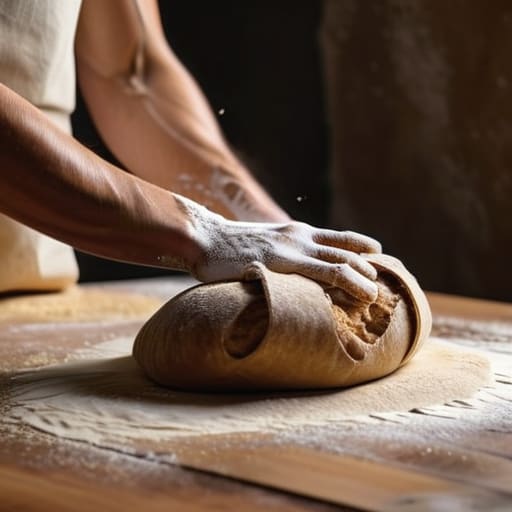
At the end of the day, whether you’re reaching for a high-protein commercial powerhouse or a small-batch artisanal stone-ground, you have to remember that the bag is only half the story. We’ve looked at how protein percentages dictate your structure and how the convenience of a supermarket brand often comes at the expense of that deep, complex character you find in specialty mills. But don’t let the numbers paralyze you. A brand might give you a predictable hydration window, but it won’t do the work for you. You must still watch the dough, feel its resistance, and respect its rhythm, because a perfect protein match won’t save a loaf that was kneaded too aggressively or left to rise in a drafty kitchen.
If you find yourself staring at a pile of flour and feeling overwhelmed by the choices, just take a breath and start baking. The most important thing isn’t finding the “perfect” brand, but finding the one that speaks to your hands and your particular kitchen environment. Every bag will behave slightly differently, and that is exactly where the magic happens. Those little variations are what make your bread yours. Stop chasing the ghost of a perfect, uniform loaf and start listening to what the flour is telling you. The flour is the foundation, but your patience and your intuition are what actually turn it into bread.
Frequently Asked Questions
If I switch from a high-protein brand to a lower one, do I need to adjust my hydration percentage to keep the dough from being too sticky?
Yes, you absolutely will. If you drop your protein percentage, you’re losing the structural “sponge” that holds onto water. A high-protein flour can handle 78% hydration and still hold its shape, but that same amount in a lower-protein flour will turn into a puddle of unmanageable soup. Don’t just dump the water in; start at a lower percentage—maybe 65% or 70%—and feel how the flour absorbs it. Add more only when the dough asks for it.
Why does my dough feel so much tighter and harder to stretch when I use a premium artisanal flour compared to the supermarket brand?
It’s not that the premium flour is “tougher,” it’s that it’s actually doing its job. Those supermarket brands are often stripped and inconsistent; they lack the structural integrity of a high-quality, stone-ground, or high-protein artisanal flour. When you use the good stuff, you’re working with a stronger gluten network. It’ll fight your hands at first because it’s building a real skeleton for your loaf. Don’t fight it—just give it more time to relax.
Can I use a blend of different bread flours to get the strength I need, or will that just confuse the fermentation process?
You can absolutely blend them, and frankly, it’s how I used to manage my shop’s consistency when the millers were having a bad month. Mixing a high-protein flour with something a bit softer isn’t “confusing” the yeast; the microbes don’t care about your brand names, they only care about the available sugars and the structure you’ve built. Just watch your hydration—different flours drink at different rates. Feel the dough, not the math.