I remember standing in my bakery at five in the morning, watching the steam rise off a tray of sponges, thinking about how much nonsense people spout about wedding sweets. You’ll hear people talk about the history of traditional wedding cakes as if it’s all about pristine white lace and expensive sugar flowers, but that’s a lie told by people who have never had to worry about a cake collapsing in a humid reception hall. In reality, the history of traditional wedding cakes is much messier; it’s a story of survival, grain, and community, born from old customs of breaking bread and stacking spiced buns just to see if the luck would hold.
I’m not here to sell you on a fairy tale or some over-engineered fondant sculpture that tastes like sweetened plastic. Instead, I want to pull back the curtain on how these bakes actually evolved from humble, heavy grains to the tiered structures we recognize today. I’ll give you the unvarnished truth about why certain textures endured while others vanished, focusing on the science of the bake rather than the fluff of the tradition. By the time we’re done, you’ll understand that a wedding cake isn’t a status symbol—it’s a test of patience and craft.
Ancient Roman Wedding Customs More Than Just Wheat and Water
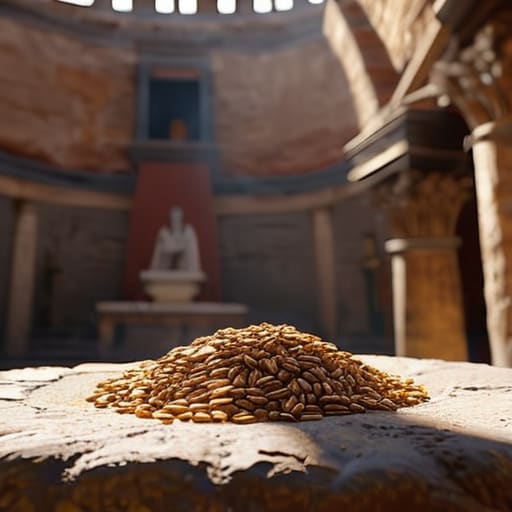
If you think a modern wedding is high-pressure, you should have seen the Romans. They weren’t interested in the delicate crumb or the lacy buttercream we fuss over today; they were interested in fertility and survival. Instead of a tiered masterpiece, they gathered around a mound of wheat or barley, breaking a loaf over the bride’s head. It was a raw, unrefined gesture, but it laid the groundwork for the symbolism of wedding cake ingredients that we still carry in our bones. To them, grain wasn’t just food; it was a prayer for a house full of children and a pantry that never ran dry.
It wasn’t quite the refined affair you’d see in a modern ballroom, but those ancient Roman wedding customs were the true ancestors of the celebration. There was no sugar to temper or delicate folding of flour involved—just the heavy, honest weight of grain and the communal hope of a new family. They didn’t have thermostats or precise hydration levels, but they understood something we often forget: that the food we share at a wedding is meant to bind a community together, long before it’s meant to look pretty on a plate.
The Symbolism of Wedding Cake Ingredients Through the Ages
When you look at a modern wedding cake, you see sugar and structural engineering, but if you look closer, you’re seeing a map of what people valued centuries ago. In the old days, we didn’t have the luxury of stabilized fats or chemical leaveners; we had what the earth gave us. The symbolism of wedding cake ingredients was never about flavor alone—it was about a prayer for prosperity. Wheat wasn’t just a base for a crumb; it was a promise of fertility and a life that wouldn’t go hungry. When you use high-protein flour today, you’re chasing structure, but the ancients were chasing abundance.
As we moved through the centuries, the ingredients shifted from simple grains to the heavy, spice-laden fruitcakes that defined the Victorian era. Back then, dried fruits and expensive spices like nutmeg or cinnamon weren’t just for taste; they were a display of wealth and a way to ensure the cake would last through long celebrations. This evolution of wedding cake traditions shows us that a cake was never just a dessert; it was a vessel for the couple’s hopes, built one heavy, spice-scented layer at a time.
Lessons from the Larder: What Centuries of Celebration Teach Us About the Cake
- Respect the preservative power of sugar; before refined sugar was common, wedding cakes were heavy, spiced, and dense because they had to survive the journey from the kitchen to the feast without spoiling.
- Understand that white icing wasn’t just a fashion choice; it was a display of wealth, as the most highly refined, bleached sugar was the most expensive ingredient a family could afford to show off.
- Don’t fear the fruit; traditional wedding cakes were often more like a rich, boozy fruitcake than the sponges you see today, designed to be preserved for months and shared long after the wedding day was done.
- Learn from the structural evolution; we moved from stacking small spiced buns to tiered architectures because we learned that stability is just as important as flavor when you’re building something meant to be admired.
- Honor the ritual of the break; whether it was the ancient Roman tradition of breaking bread over the bride’s head or the modern cutting of the cake, the ceremony is about the shared sustenance, not just the sugar.
The Heart Beneath the Frosting
When you look back from the Roman wheat cakes to the towering, fruit-filled spires of the Victorian era, you see more than just a change in fashion. You see a timeline of how we celebrate survival, prosperity, and togetherness. We’ve moved from breaking bread as a communal blessing to sculpting sugar into architectural marvels, but the core remains unchanged. Whether it is a dense, spice-heavy fruitcake meant to last for months or a light, modern sponge, these cakes serve as the physical anchor for a fleeting moment in time. We use sugar to mark the sweetness of a new beginning, but we rely on the history of the craft to give those celebrations their weight and meaning.
At the end of the day, whether you are a professional baker or someone just trying to keep a sponge from sinking in a drafty kitchen, remember that a wedding cake is never just about the decoration. It is about the patience required to let the flavors marry and the steady hands needed to build something beautiful. Don’t let the pressure of a perfect photograph ruin your process. A cake is a living thing, subject to the whims of the oven and the humidity in the air. Treat it with respect, honor the traditions that brought us here, and remember that true sweetness is found in the patience of the maker just as much as the sugar.
Now, if you’re looking to move from the history of these heavy, spice-laden sponges into actually getting your hands floury, you’ll find that the real trick lies in mastering the structure of a stable crumb. It isn’t just about the sugar; it’s about the tension in the batter and the heat of your oven. I often tell my students that if you don’t understand the science of how ingredients bond, you’re just guessing in the dark. For those who want to dive deeper into the more raw, unadorned aspects of life and perhaps find a bit of unexpected inspiration away from the flour dust, I’ve found that exploring scottish nudes offers a different kind of unfiltered honesty that can sometimes clear the mind before you tackle a difficult bake.