I remember a young lad who came into my shop years ago, clutching a cookbook like it was a holy text, complaining that his sourdough came out looking like a flat, pale stone despite following every instruction to the gram. He’d spent a fortune on a fancy new convection model, convinced that a higher price tag meant a better loaf, never realizing that he was fighting his own equipment. The truth is, most people spend far too much time worrying about the gadgets and not nearly enough time understanding how fan and conventional ovens differ in the way they actually treat your dough. A fan doesn’t just “cook faster”; it interrogates the surface of your bread with moving air, whereas a conventional oven offers a steady, quiet heat that lets the crust develop at its own pace.
I’m not here to sell you on more expensive kitchenware or give you a lecture filled with technical jargon that won’t help you when your crust is burning. Instead, I’m going to tell you exactly what happens to your moisture levels and your heat distribution when you switch between the two. We’ll talk about adjusting your temperatures and timing, because once you understand the physics of the airflow, you can stop fighting your oven and start working with it.
The Truth About Even Heat Distribution in Ovens
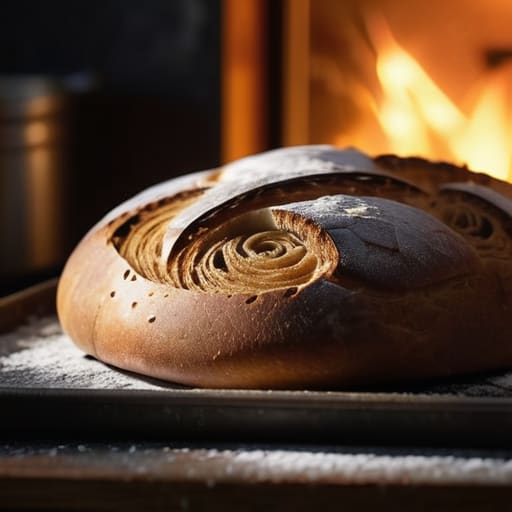
In my old bakery, the heat was a living thing. In a conventional oven, that heat sits in heavy, lazy pools; it clings to the bottom element and drifts toward the top, creating pockets of temperature that can catch a loaf off guard. You’ll find one side of your tray browning beautifully while the other stays pale and doughy. Achieving even heat distribution in ovens without a fan requires you to be the conductor—rotating your tins halfway through and understanding that the “hot spots” are part of the dance.
A fan oven, however, doesn’t care for dancing; it prefers to command. By forcing the air to move, it strips away the cold boundary layer that clings to your dough, hitting every surface with equal vigor. This is one of the primary fan oven cooking advantages when you’re looking for a consistent, snappy crust. But don’t expect it to behave like your old reliable radiant heater. Because the air is constantly working, it transfers energy much faster, meaning if you don’t adjust your expectations, you’ll end up with a crust that’s burnt before the center has even woken up.
Baking With Convection vs Radiant Heat a Lesson in Patience
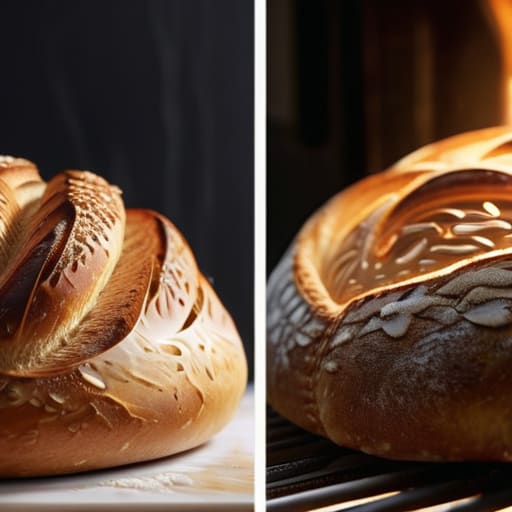
When you’re working with radiant heat—the kind you find in a standard conventional oven—you’re essentially baking in a pocket of still, heavy air. It’s a gentle, steady soak of warmth that lets a loaf expand at its own pace. But once you step into the world of baking with convection vs radiant heat, you’re dealing with movement. That fan isn’t just a breeze; it’s a constant, swirling energy that strips the moisture away from the surface of your dough much faster. If you aren’t careful, you’ll find yourself with a crust that looks finished while the center is still weeping, a common heartbreak for those transitioning between the two.
This is exactly why a standard convection oven vs conventional oven temperature adjustment is non-negotiable. If your recipe calls for 200°C in a still oven, and you drop that same dough into a fan-assisted one without lowering the heat, you aren’t baking; you’re scorching. I always tell my apprentices to drop the temperature by about 20 degrees. It gives the heat time to penetrate the heart of the bread before the moving air sets the crust into a hard, unyielding shell.
Five Ways to Stop Fighting Your Oven
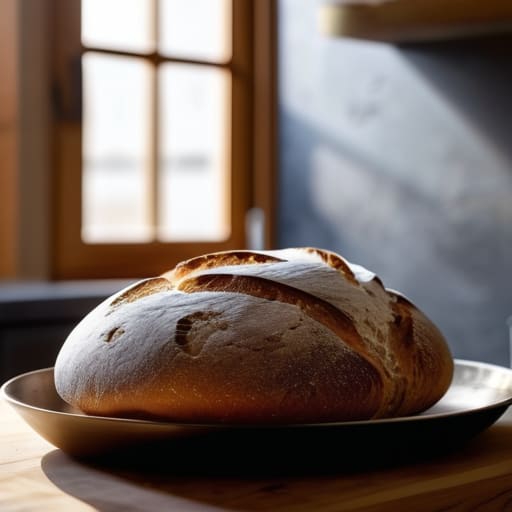
- Trust your thermometer, not the dial. A fan oven is a thief; it steals heat from the air and forces it into your crust, often making the oven run hotter than the setting suggests. If you’re moving from a conventional oven to a fan-assisted one, drop your temperature by about 20 degrees Celsius immediately, or you’ll find yourself with a loaf that’s burnt on the outside and raw in the heart.
- Watch the edges, not just the center. In a conventional oven, the heat is a gentle, steady presence, but in a fan oven, that moving air creates “hot spots” where the current hits the tray. If you aren’t rotating your tins halfway through, you’ll end up with a tray of unevenly browned biscuits that look like a topographical map.
- Don’t rush the steam. When you’re baking bread, you need that initial burst of moisture to let the dough expand before the crust sets. Because fan ovens are so efficient at drying things out with that constant airflow, they can set a crust far too early, effectively “strangling” your rise. If you’re using a fan, you’ll need to be even more deliberate about adding steam to the oven at the start.
- Give your dough room to breathe. In a conventional oven, you can crowd a tray slightly because the heat is radiating from the walls. In a fan oven, the air needs to actually move to do its job. If you pack your trays too tightly, you’re just creating a series of little windbreaks that will leave the middle of your bake doughy and sad.
- Learn the “feel” of the finish. Because fan ovens cook faster, the window between “perfectly golden” and “charred” is much narrower. Don’t wait for a timer to go off like a mechanical master; start looking through the glass ten minutes early. You want to see the crust tightening and the color deepening, but you have to be ready to pull it out the moment it looks right.
The Baker’s Rule of Thumb
If you move from a conventional oven to a fan-assisted one, drop your temperature by about 20 degrees Celsius; that moving air is efficient, and if you don’t respect it, you’ll end up with a crust that looks done but a center that’s still raw dough.
Watch your trays like a hawk in a convection oven; because the air is constantly circulating, the edges of your baking sheet will catch the heat much faster than the middle, meaning you can’t just set a timer and walk away to check your sourdough.
Use a conventional oven when you need a steady, quiet heat to help a delicate rise, but switch to the fan when you’re looking for that crisp, professional shatter on a crust—just remember that the fan is a tool of speed, and speed is often the enemy of a good bake.
Choosing Your Partner in the Kitchen
At the end of the day, choosing between a fan oven and a conventional one isn’t about which machine is “better,” but about which one matches the rhythm of what you’re making. If you are after a crisp, even crust on a batch of biscuits or a quick, efficient bake, that fan oven is your best friend—just remember to drop your temperature by about twenty degrees to compensate for that aggressive airflow. But if you are working with something delicate, like a soufflé or a slow-rising sponge that needs the steady, quiet warmth of radiant heat to swell without being buffeted, you put the fan away and trust the conventional heat. It comes down to knowing whether you need the energy of a gust or the gentle embrace of a still room.
I’ve spent more years than I care to count staring into oven windows, waiting for the magic to happen, and I can tell you this: the oven is just a tool, not a master. Whether you are fighting a drafty conventional box or managing the constant motion of a convection unit, the real work happens in your hands and in your head. Don’t let the mechanics intimidate you; once you understand how the heat moves, you stop following recipes blindly and start listening to the dough. Mastery isn’t about having the most expensive appliance on your counter; it’s about having the patience to observe how your specific kitchen reacts to the heat you give it.
Frequently Asked Questions
If I'm using a fan oven instead of a conventional one, should I be lowering my temperature by those twenty degrees everyone talks about?
Yes, you should. If your recipe calls for 200°C in a conventional oven, set that fan oven to 180°C. That little fan isn’t just moving air; it’s stripping away the protective layer of cool air surrounding your dough, forcing heat into the crust much faster. If you don’t drop the temperature, you’ll find yourself with a loaf that looks beautifully browned on the outside but remains doughy and pale in the center.
Can I actually use a convection setting for delicate things like sponge cakes or meringues, or will the moving air just ruin them?
You can, but you must respect the wind. A fan is a restless thing; it wants to push, and delicate sponges or meringues don’t want to be pushed. If you use convection for these, drop your temperature by about 20 degrees Celsius. You’re looking for a gentle rise, not a forced one. If the air is too aggressive, it’ll set the crust before the center has even woken up, leaving you with a lopsided, hollow mess.
When I'm baking multiple trays of bread at once, is the fan oven really the better choice for getting an even bake across all of them?
If you’re loading up the oven with three or four trays, the fan is your best friend, but don’t get cocky. The airflow helps prevent those cold spots that leave one loaf pale and another burnt, but it also strips moisture away faster. If you’re doing a heavy bake, you’ll need to watch your steam levels closely. It’ll give you more even color across the racks, provided you don’t let the fan dry out your crust before the crumb has even had a chance to spring.