I spent thirty-four years standing in front of a wood-fired oven that had the temperament of a moody teenager, and if there is one thing I learned, it’s that you cannot trust the little glowing numbers on your appliance. People spend hundreds of pounds on fancy digital thermometers and high-tech convection settings, thinking they’ve mastered the heat, but they’re just being lied to by a piece of cheap plastic. The truth about how oven temperature really behaves is that it isn’t a steady, magical number; it’s a living, breathing cycle of surges and drops that your recipe simply cannot account for. If you aren’t looking at the actual energy inside that box, you’re just guessing.
I’m not here to sell you a new gadget or a complicated chart. My promise to you is much simpler: I am going to tell you how to actually feel the heat and recognize the signs of a thermal recovery before your crust turns to stone. We are going to stop chasing the dial and start understanding the physics of the bake, focusing on the gaps between the numbers where the real work happens.
The Lie of the Setting Oven Preheating Accuracy
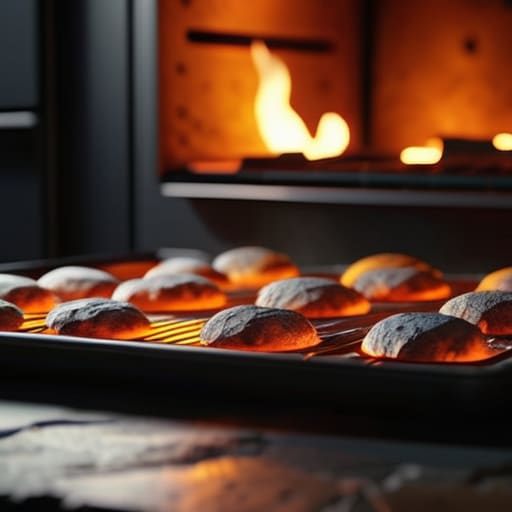
You can set that little digital knob to 230°C all you like, but don’t go thinking your oven has actually reached it. Most home appliances are remarkably bad at communicating their true state. When the beep goes off, it usually means the air has reached the target, but the heavy metal walls and the stone baking tray are still shivering. Without achieving true thermal equilibrium in baking, you’re essentially throwing your dough into a lukewarm bath. I always tell my apprentices to wait at least twenty minutes after the beep; if you don’t let that heat soak deep into the bones of the machine, your oven temperature will plummet the second that door cracks open.
Then there is the matter of how that heat actually moves. If you’re working with a fan, you’re dealing with convection vs conventional heat distribution, which changes the entire physics of your crust. A fan pushes heat aggressively, often masking the fact that your oven is actually struggling to maintain a steady state. You might think you’re hitting your marks, but if you haven’t checked for identifying oven hot spots, you’ll find one loaf is a golden masterpiece while its neighbor is still pale and doughy.
The Silent War Convection vs Conventional Heat Distribution
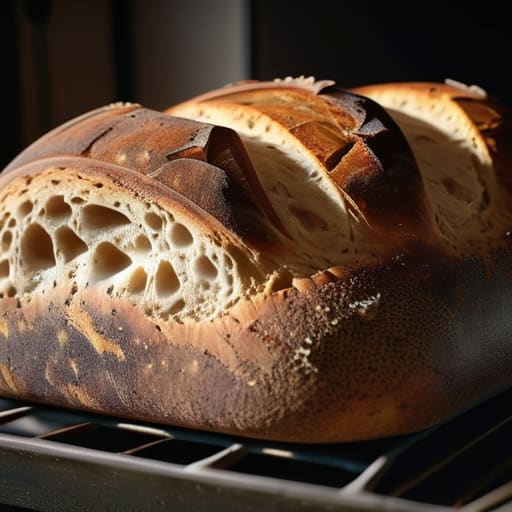
Now, you might think that setting your dial to 220°C means the air surrounding your loaf is a uniform blanket of heat, but that’s a fantasy. In a conventional oven, heat behaves like a lazy river—it pools at the bottom and lingers in the corners, leaving the middle somewhat neglected. This is the core of the struggle in convection vs conventional heat distribution. Without a fan to force the air to move, you’re essentially gambling on where your bread sits. I’ve spent decades watching loaves rise beautifully on one side only to collapse on the other because they were caught in a pocket of stagnant, cooling air.
When you switch to a convection setting, that fan acts like a vigorous hand, scrubbing the heat across every surface. It’s efficient, yes, but it’s also aggressive; it can strip moisture from your crust before the crumb has even had a chance to set. You aren’t just managing a number on a screen; you are managing thermal equilibrium in baking. If you use a fan, you must learn to lower your temperature, or you’ll find yourself with a loaf that looks perfectly tanned on the outside but remains stubbornly raw and gummy in the center.
The Three Truths Your Oven Won't Tell You
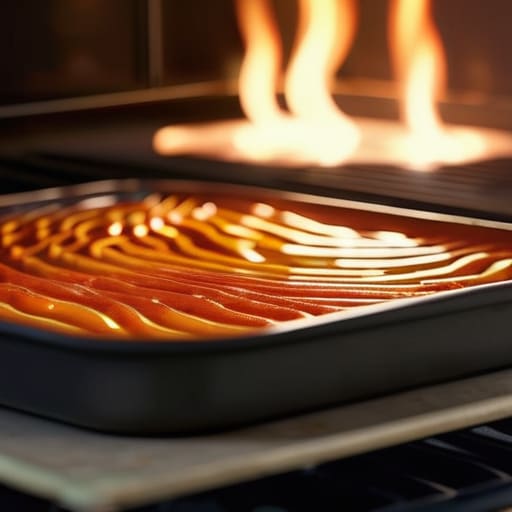
- Stop trusting the preheat beep. That little chime just means the air inside hit the number, but it doesn’t mean the walls of your oven have absorbed enough heat to actually bake anything. If you slide a loaf in the moment it beeps, the temperature will crater the second the door opens and you’ll never get that spring. Give it at least another twenty minutes to let the heat soak into the very bones of the machine.
- Watch the door like a hawk. Opening it for five seconds to “peek” isn’t a victimless crime; it’s a thermal catastrophe. You aren’t just letting air out, you’re letting the energy out. If you must look, do it quickly, and understand that every time you break that seal, you’re essentially asking your dough to start its thermal journey all over again from a lower baseline.
- Learn the “hot spots” of your specific kitchen. No oven is a perfect cube of uniform heat; they all have a temperamental corner or a back wall that runs hotter than the rest. I used to rotate my trays halfway through every bake, not because the recipe told me to, but because I knew my oven had favorites. Find yours by baking a few simple biscuits and seeing which ones brown too fast.
- Remember that steam is your invisible heat regulator. When you load a cold piece of dough into a hot oven, the temperature drops instantly. If you aren’t using a Dutch oven or a heavy stone to hold onto that initial thermal mass, you’re fighting a losing battle. The steam keeps the surface supple so the bread can expand before the crust sets and locks it in place.
- The thermometer is your only real friend. If you’re serious about your crust, buy a standalone oven thermometer and stick it right in the middle of the rack. If the dial says 230°C but the thermometer says 215°C, believe the thermometer every single time. The dial is a suggestion; the thermometer is the truth.
The Baker’s Truth: Three Things to Remember When the Heat is On
Stop trusting the little number on your dial; if you haven’t let your oven soak in the heat for at least forty-five minutes, you’re just baking in a lukewarm box that will collapse the moment the dough hits it.
Learn the difference between a steady heat and a moving one, because a convection fan can dry out a crust before the center has even begun to wake up.
If your bread isn’t rising, don’t go hunting for a new recipe—check your oven’s floor, check your timing, and for heaven’s sake, stop opening the door every five minutes to peek.
Trusting the Heat, Not the Dial
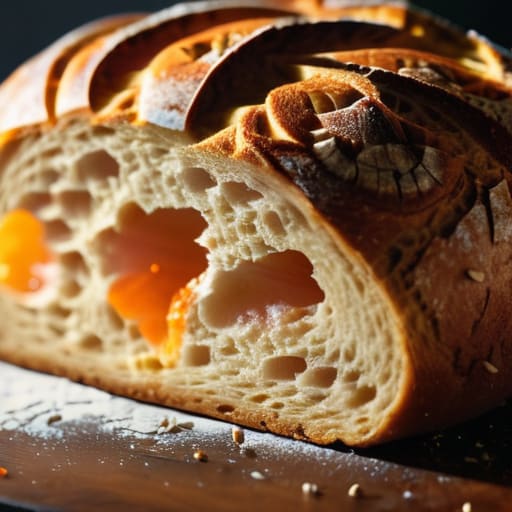
At the end of the day, you have to stop treating your oven like a reliable machine and start treating it like a temperamental beast. We’ve talked about why that digital display is lying to you during preheating and how a fan can turn a gentle bake into a frantic, drying wind. If you aren’t accounting for those cold spots or the way a convection setting strips moisture from your crust, you aren’t really baking; you’re just guessing in the dark. Remember, the goal isn’t to hit a number on a screen, but to ensure the heat is actually soaking into the core of your loaf rather than just scorching the surface while the middle stays doughy and sad.
Don’t let a few inconsistent bakes discourage you. Every time a loaf comes out a bit too pale or a crust too thick, don’t blame your hands or your flour—look at the air around the dough. Adjust your timing, move your rack, or give that oven an extra twenty minutes to truly settle into its rhythm. Baking is a conversation between you and the elements, and once you learn to read the heat as well as you read your starter, you’ll stop fighting your kitchen and start working with it. After all, patience is the only ingredient you can’t buy in a bag, and it’s the one that makes the most difference when the oven is acting up.
Frequently Asked Questions
If my oven dial says it's reached the right temperature, how am I supposed to know if the heat has actually soaked into the stone or the metal enough to bake a proper crust?
You don’t trust the dial; you trust the heat soak. If you slide a loaf into an oven that’s only reached its setting on paper, the air might be hot, but the oven walls are still cold. That’s how you end up with a gummy bottom and a pale crust. Give it another thirty minutes after the beep. If you have a baking stone, wait until you can feel the heat radiating off it like a summer pavement.
When I'm moving from a convection setting back to a standard bake, how much do I actually need to adjust my temperatures to account for that extra air movement?
If you’re dropping the fan and going back to a standard bake, you’re losing that aggressive heat transfer. Usually, you’d drop your temperature by about 20°C (roughly 35°F) when using convection to prevent the outside from burning before the middle is set. Moving back to a standard bake means you can go back up to your original target temperature, but watch your timing—without that moving air, things take a little longer to find their rhythm.
How can I tell if my oven is suffering from "cold spots" without just opening the door and letting all the hard-earned heat escape?
You don’t need to peek and let the heat bleed out. If you’re suspicious, use a single thermometer—not a digital one that talks back, but a real probe—and move it around the different corners of the cavity. Better yet, bake a test batch of simple biscuits. They’re honest little things; if one side rises beautifully and the other stays slumped and pale, you’ve found your cold spot. The dough doesn’t lie.