I remember standing in my bakery at five in the morning, the air thick with the smell of yeast and cooling stone, watching a young apprentice weep over a bowl of weeping, syrupy puddles that were supposed to be pavlova. He had followed a recipe to the letter, but he hadn’t understood that meringue is less about following instructions and more about respecting the physics of air. Most people will search for a “complete guide to meringue” only to find themselves lost in a forest of expensive specialty stabilizers and complicated French terminology that doesn’t actually matter. They’ll tell you that you need a specific brand of sugar or a high-tech mixer, but they forget to mention that a single drop of yolk or a humid afternoon can ruin your entire afternoon.
I’m not here to sell you on fancy equipment or chemistry sets; I’m here to tell you how to listen to your whites. In this guide, I’m going to strip away the nonsense and show you exactly how to manage your sugar-to-egg ratios and how to tell when those peaks have finally found their strength. We are going to talk about temperature, timing, and the feel of the bowl, because once you understand the soul of the egg, you won’t need a textbook to tell you when it’s done.
Mastering Egg White Aeration Techniques and the Sugar to Egg White Ratio
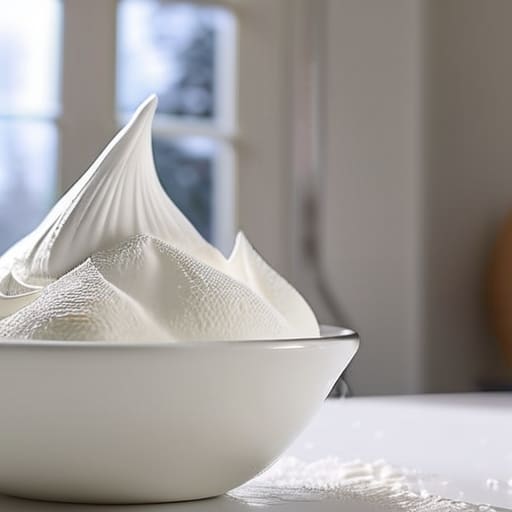
Before you even touch a whisk, you must understand that you aren’t just mixing ingredients; you are building a structure out of nothing but air. When we talk about egg white aeration techniques, most people think it’s just about turning a liquid into a cloud. It’s more than that. You are stretching the proteins to trap those bubbles. If you rush it, the bubbles stay large and fragile, and your meringue will eventually collapse into a sad, watery puddle. To keep things steady, I always recommend stabilizing egg whites with cream of tartar; it’s a tiny bit of insurance that keeps the protein network from fraying.
Now, let’s talk numbers, because as I always say, cups lie. For a reliable structure, you need to respect the sugar to egg white ratio. If you’re working with 100g of egg whites, you should be looking at roughly 200g of superfine sugar—that’s a 200% ratio. If you under-sugar, the peaks won’t hold; if you over-sugar, the weight will crush the very air you worked so hard to whip in. Watch for those meringue peak stages, moving from soft, floppy waves to those firm, glossy peaks that stand up like soldiers.
Understanding Meringue Peak Stages Before the Structure Fails
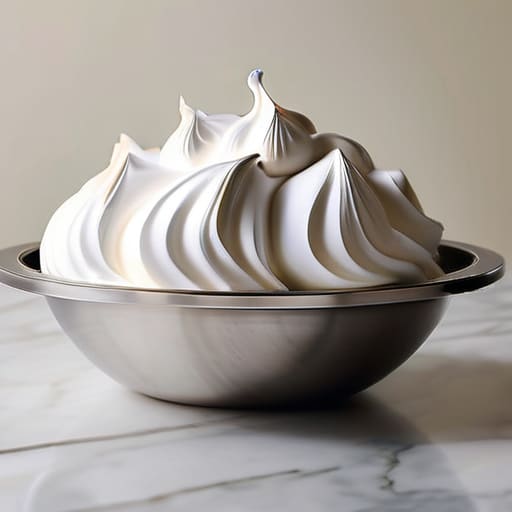
You cannot rely on a stopwatch to tell you when your meringue is ready; you have to watch how the protein holds its shape. If you stop too early, your topping will slump into a puddle the moment it hits the oven. If you go too far, you’ve beaten the life out of it, leaving you with something grainy and dry that looks more like sawdust than silk. I always look for those meringue peak stages to tell the story of the aeration.
Start by watching for “soft peaks”—that’s when the whites have turned opaque and snowy, but if you lift the whisk, the tip curls over like a tired wave. You want to push through that to “firm peaks,” where the tip stands straight up like a soldier. If you’re making something delicate, you might aim for even stiffer peaks, but be careful; once the gloss turns matte, you’ve gone too far and broken the structure. This is also the moment where stabilizing egg whites with cream of tartar becomes your best friend, helping those tiny air bubbles stay tucked in tight rather than collapsing under the weight of the sugar.
The things they don't tell you until the meringue weeps
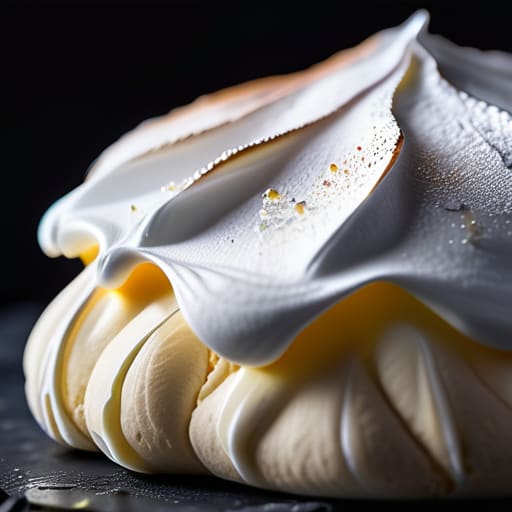
- Fat is the enemy of air; even a microscopic smear of yolk or a smudge of oil on your bowl will act like a weight on those bubbles, and no amount of whisking will save you once the structure is compromised.
- Sugar isn’t just for sweetness, it’s the scaffolding; you must add it slowly, a spoonful at a time, once your whites have reached that soft, cloud-like state, or you’ll end up with a grainy mess that never truly stabilizes.
- Temperature matters more than you think; if your kitchen is drafty and cold, your sugar won’t dissolve properly, so try to work in a warm, steady environment where the proteins can relax into their new shape.
- Stop looking for “stiff peaks” in a book and start feeling the resistance in your arm; you want a texture that is glossy and holds its shape firmly, but if it looks dry or clumpy, you’ve over-whisked and pushed the proteins too far.
- Use a scale, not a volume measurement; if you’re aiming for a classic French meringue, I want to see a 2:1 ratio of sugar to egg whites by weight—anything less and you’re building a house on sand.
The Three Pillars of a Stable Meringue
Respect the ratio; if you aren’t working with roughly double the weight of sugar to the weight of your egg whites, you aren’t making a meringue, you’re making a puddle.
Temperature is your silent partner; if your kitchen is drafty or your bowl has a trace of grease, the air bubbles will weep and your structure will vanish before it even hits the oven.
Stop watching the clock and start feeling the bowl; you’ll know the aeration is finished when the mixture feels heavy and glossy against the whisk, not just because a timer went off.
The Final Fold
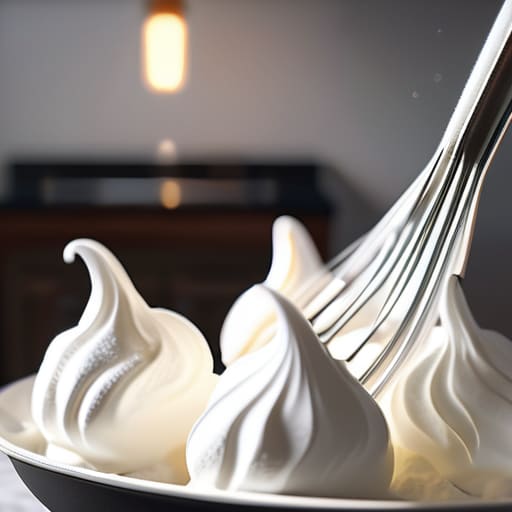
At the end of the day, a successful meringue isn’t about following a list of instructions; it is about understanding the relationship between your sugar and your air. You must respect the ratios, keep your bowls pristine of any stray yolk, and—most importantly—learn to read those peaks with your own eyes rather than a clock. If your meringue feels heavy or weeps in the oven, don’t go looking for a new recipe to blame. Look instead at your temperature, your whisking speed, or whether you rushed the sugar into the whites. It is a delicate dance of physics and patience, and once you master the way the protein holds that sweetness, you won’t need a cookbook to tell you when it’s ready.
Don’t let a collapsed batch or a grainy texture sour your spirit. I spent my first decade in the bakery thinking every fallen soufflé was a personal failure, only to realize that even the best bakers are just students of the oven. Meringue is a temperamental thing, but that is exactly what makes it rewarding. It requires you to be present, to feel the resistance of the whisk, and to trust your hands more than a digital timer. So, crack another egg, clear your station, and try again. The perfect, cloud-like structure is waiting for you; you just have to be willing to wait for it.
Frequently Asked Questions
If my meringue is weeping or turning into a sugary syrup after it's baked, did I use too much sugar or was my oven temperature just wrong?
It’s rarely just one culprit, but usually, it’s a marriage of the two. If your meringue is weeping, you likely either rushed the sugar into the whites—leaving undissolved crystals that pull moisture out later—or your oven was too hot. A high heat sets the outside too quickly, trapping moisture inside. Aim for a low, steady warmth to dry it out properly. If it’s syrupy, check your ratios; sugar is structural, but too much is a burden.
Can I actually use aged egg whites for a more stable foam, or is that just something people say to sound professional?
It isn’t just professional posturing; there is real science in that old eggshell. When you let whites sit, a bit of the water evaporates and the proteins loosen up just enough to stretch without snapping. I used to leave mine in a covered bowl in the fridge for a day. It makes the foam more elastic and less prone to weeping. Just don’t let them sit out on the counter—we want stability, not a mess.
My meringue is collapsing as soon as I stop whisking; am I overworking the whites or is there something in my bowl interfering with the protein?
It’s almost certainly interference, not overworking. If you’ve gone too far, the whites will look grainy and dry, like curdled milk, before they collapse. If they’re sliding flat the moment you stop, you’ve likely got a microscopic speck of yolk or a trace of grease on that bowl. Even a smear of butter is enough to sabotage the proteins. Clean your equipment with lemon juice first; if the bowl isn’t spotless, the meringue won’t stand.