I remember standing in the back of my shop at five in the morning, the air thick with the scent of yeast and toasted sugar, watching a young apprentice shove a tray of delicate lemon tarts into a walk-in fridge right next to a container of raw onions. He thought he was being efficient, but he was actually committing a crime against pastry. People spend so much time and money on fancy airtight canisters and expensive gadgets, yet they completely miss the point of how to store desserts safely. They treat storage like a science experiment when it’s really about respecting the ingredients you’ve worked so hard to balance.
I’m not going to sell you on some complicated system involving vacuum sealers or specialized plastic bins that cost more than your flour supply. Instead, I’m going to tell you what actually happens to fats, sugars, and moisture when they meet the wrong temperature or a drafty counter. We’ll talk about the real-world physics of keeping your hard work from going stale or, worse, picking up the flavor of last night’s leftovers. You’ll learn how to protect your craft using nothing more than common sense and a little bit of patience.
Preventing Bacterial Growth in Pastries With Discipline
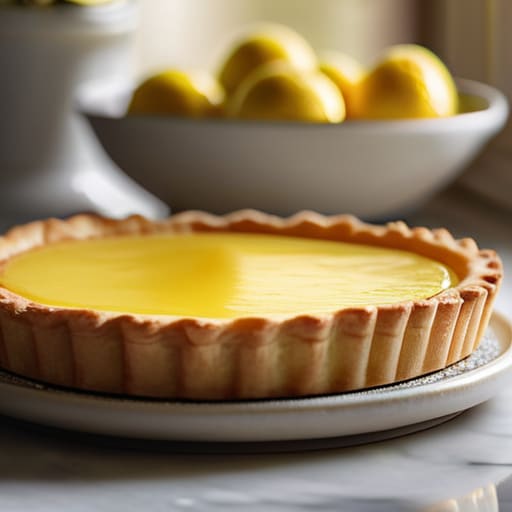
When you’ve spent decades watching dough rise and fall, you learn that a pastry is a living thing, even after it leaves the oven. The moment it cools, the clock starts ticking. If you’re working with anything containing cream, custard, or even a simple buttercream, you aren’t just managing flavor; you are preventing bacterial growth in pastries by respecting the clock. I’ve seen too many people leave a tray of lemon tarts on a sunny windowsill, thinking “it’ll be fine for an hour.” It won’t. Once those dairy elements hit a certain warmth, they become a playground for things we don’t want in our kitchens.
The secret isn’t some fancy gadget; it’s simply disciplined temperature control for dairy desserts. If your pastry has a moisture-rich filling, it needs to move from the cooling rack to the fridge the moment it’s no longer steaming. Don’t let it sit in that lukewarm middle ground where it’s neither hot nor cold. That’s when the texture suffers and the safety drops. Trust your nose and your eyes more than any expiration date printed on a box.
The Airtight Container Importance for Maintaining Texture
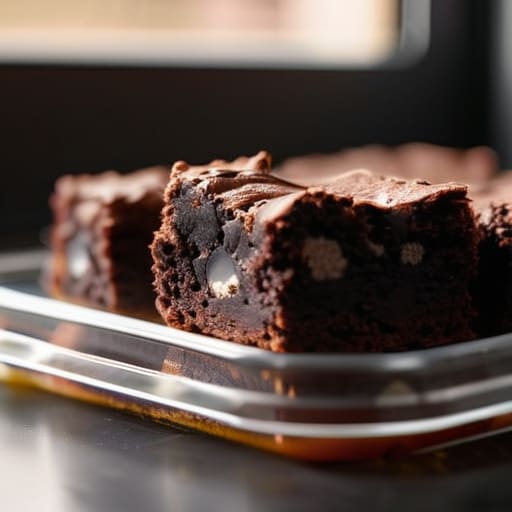
You can spend all morning perfecting a delicate sponge or a rich, buttery shortcrust, but if you leave them sitting out, you’re essentially inviting the air to steal your hard work. I’ve seen too many people leave a tray of brownies on the counter overnight, thinking they’re being “relaxed,” only to find them as dry as a piece of old timber by morning. The airtight container importance cannot be overstated; once that moisture escapes the crumb, there is no bringing it back. A tight seal acts as a barrier, keeping the hydration where it belongs—inside the cake—rather than letting it vanish into your kitchen.
It isn’t just about dryness, though. If you are dealing with something more substantial, like a custard tart or a cream-filled pastry, you have to be even more vigilant about the shelf life of homemade sweets. In those cases, an airtight vessel does double duty by shielding the fats from absorbing the smells of your refrigerator—nobody wants a lemon tart that tastes like the onions sitting on the shelf below. Keep them tucked away, and they’ll stay exactly as you intended.
Five rules of thumb for keeping your hard work from going to waste
- Respect the custard and the cream. If your dessert has eggs, milk, or heavy cream in it, don’t you dare leave it sitting on the counter to look pretty; those are high-moisture, high-protein environments that bacteria love, so get them into the fridge the moment they’ve stopped steaming.
- Watch your humidity levels. A cake might look fine in a plastic tub, but if the air inside is too stagnant, you’ll end up with a gummy mess; sometimes a little breathing room or a single layer of parchment is better than suffocating a delicate sponge.
- Mind the temperature swings. If you’re moving a tray from a warm kitchen to a cold larder, let it settle; sudden shifts in temperature cause condensation, and that little bit of moisture is exactly what turns a crisp pastry crust into something sad and soggy.
- Keep the scents at bay. Your fridge is a shared space, and a chocolate ganache will soak up the smell of last night’s garlic pasta faster than you can say ‘unfortunate’; always wrap your treats well if they’re sharing a shelf with anything savory.
- Don’t rush the cooling. I’ve seen many a baker ruin a tart by covering it while it was still warm; you’ll trap the steam, and that steam will turn your beautiful, flaky layers into a limp, damp disappointment before the sun even goes down.
The Baker's Final Checklist for a Lasting Treat
Watch your temperatures like a hawk; if it’s creamy or custard-based, it belongs in the cold, but don’t let a refrigerator’s chill turn a delicate sponge into a brick.
Seal out the air to save the crumb, because once the moisture escapes, you’re left with nothing but a memory of what used to be a good cake.
Trust your senses over a clock, because a dough or a sponge tells you when it’s tired or drying out long before the timer ever will.
Respecting the Work You’ve Done
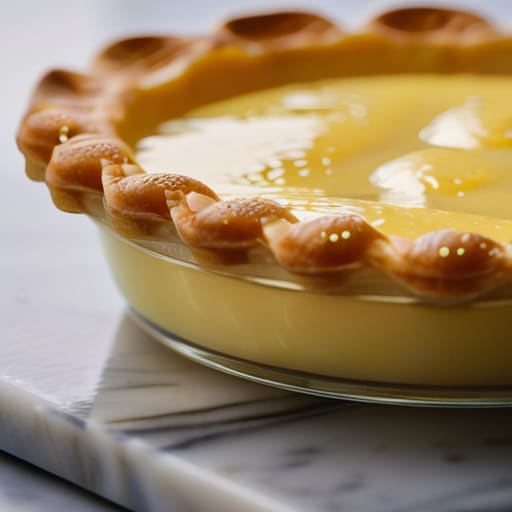
At the end of the day, storing your sweets is just another part of the baking process, not an afterthought. Whether you are fighting off moisture with an airtight seal or keeping your custard-filled tarts away from the warmth of the sun to prevent spoilage, you are simply protecting the integrity of your ingredients. Remember that temperature and humidity are the two invisible hands that can either preserve your hard work or ruin it in a matter of hours. If you treat your finished bakes with the same discipline and respect that you gave the dough while it was rising, you won’t find yourself throwing away a perfectly good batch because it went soft or, worse, unsafe.
I’ve spent more years than I care to count watching beautiful things go wrong simply because someone was too rushed to give them a proper home. Baking is an act of generosity, but that generosity ends if you don’t look after the results. Don’t let your effort go to waste by being careless with the final step; instead, take that extra minute to tuck your treats into their proper places. Treat every crumb as if it were something you were selling from your own counter, and you will find that patience and care extend far beyond the oven door.
Frequently Asked Questions
If I’m storing a fruit tart, should I put it in the fridge even if it makes the crust go soft?
Oh, the classic struggle: safety versus that perfect, crisp shortcrust. If your tart has a custard or cream base, you put it in the fridge—no arguments there. I’ve seen too many people risk a tummy ache for the sake of a crunch. To save the texture, keep the fruit and cream in a container, but if you can, keep the crust separate until you’re ready to serve. If it’s just fruit and pastry, leave it out; if there’s dairy, it goes in the cold.
My kitchen is quite warm in the summer; is it safe to leave my cookies on the counter overnight if they're in a tin?
Now, listen to me: a tin is a lovely thing for keeping the air out, but it isn’t a fortress against the heat. If your kitchen is sweltering, that warmth is going to sit right inside that metal, turning your cookies into a playground for bacteria. If they’re just plain butter and sugar, they might survive a night, but if there’s any cream or egg-heavy filling, get them in the fridge. Don’t risk it.
How long can I really keep a sourdough-based cake in the freezer before it starts tasting like the ice crystals in there?
If you’ve put the effort into a sourdough cake, don’t let it sit in the back of the freezer until it tastes like a frostbitten sponge. Aim for three months. Beyond that, even the best wrapping can’t stop the freezer from stealing the moisture right out of the crumb. Wrap it tight in parchment, then a layer of foil, and then a bag. If you see ice crystals forming inside the wrap, it’s already lost the battle.