I remember a Tuesday back in ’94, right in the middle of the Christmas rush, when I stood in my kitchen at three in the morning with flour in my hair and tears stinging my eyes because a delicate mousse had collapsed like a tired souffle. I was trying to do everything at once, fighting the clock and the temperature, thinking I could whip up magic in the final hour. That’s the great lie of modern hosting: that you need to be a frantic performer in the kitchen to impress your guests. The truth is, if you want to actually enjoy your own dinner party, you need to learn how to make a dessert ahead and finish late.
I’m not going to give you a list of complicated, “Instagram-ready” recipes that require a chemistry degree and a frantic last-minute scramble. Instead, I’m going to show you how to work with time rather than against it. We’ll focus on components that actually benefit from a rest in the fridge—elements that settle, set, and deepen in flavor while you’re busy pouring wine. I’ll give you the honest mechanics of it, focusing on the textures and the timing, so you can walk into the dining room with calm hands and a finished plate.
Mastering Dessert Component Preparation Before the Chaos
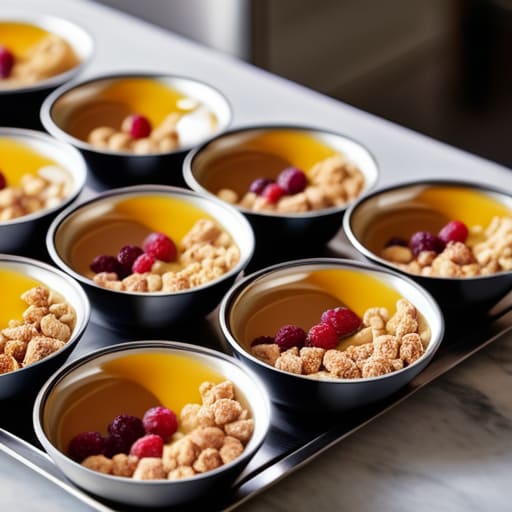
The secret to not losing your mind when the guests arrive isn’t magic; it’s disciplined dessert component preparation. I never walked into my shop expecting to whip up a dozen different pastries in one go; I built my mise en place days in advance. If you’re making a mousse, whip that base and let it set in the fridge long before the first doorbell rings. If you’re working with custards or fruit compotes, get them into their containers early. The goal is to have every single element—the creams, the crumbles, the syrups—already sitting quietly in the cold, waiting for your signal.
When you are storing dessert elements, remember that temperature is your best friend and your worst enemy. A sponge cake can sit wrapped tightly in parchment for a day to settle its crumb, but a delicate meringue will turn to dust if it breathes the same air as a humid fridge. Treat each piece with its own specific needs. By the time the “chaos” actually starts, you shouldn’t be measuring flour or cracking eggs; you should simply be assembling.
The Art of Storing Dessert Elements Without Losing Soul
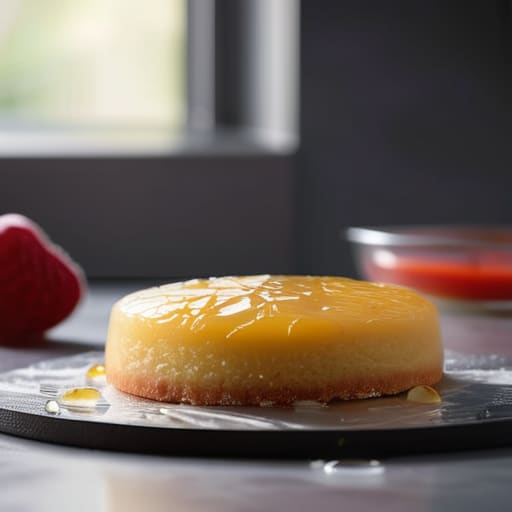
Now, the trick isn’t just putting things in a container; it’s about understanding how they breathe. If you’re storing dessert elements like a delicate sponge or a fruit compote, you have to respect their moisture. A sponge left uncovered in a refrigerator will turn into a dry puck faster than you can say “service,” so wrap it tightly in parchment and then film. If you’re working with creams or custards, they want to stay cool and undisturbed. I’ve seen too many people rush the process, only to find their prepared elements have either wept liquid or hardened into something unyielding.
When it comes to the little things—the crumbles, the nut praline, or the dried citrus—keep them far away from anything damp. These are your tools for last minute dessert garnishing, and they need to stay crisp to provide that necessary contrast against a soft mousse or cream. Treat your prep like a slow-moving tide; keep the components separate and protected, and you won’t find yourself fighting a losing battle against texture when the guests finally sit down.
The Final Stretch: Five Ways to Keep Your Sanity When the Clock is Ticking
- Trust your mise en place, not your memory. By the time you’re actually assembling the plates, your brain will be too busy managing the oven and the guests to remember if you added the salt to the caramel or the cream. Have every single component weighed out and sitting in little bowls before you even think about the final assembly.
- Don’t fight the temperature of your components. If you’ve been storing a custard or a ganache in the fridge, don’t try to whip it the second it comes out. Give it twenty minutes to find its soul again at room temperature; working with ingredients that are too cold is a recipe for broken emulsions and heavy, stubborn textures.
- Build in “buffer time” for the things that breathe. If you are making a sponge or a mousse, remember that they are living things. They expand, they settle, and they react to the humidity in your kitchen. If you plan to finish at 8:00 PM, your components should be ready to go by 7:15 PM, giving you that crucial window to handle the unexpected.
- Use the “Assembly Line” approach for plating. When the pressure is on, people tend to get frantic and messy. Instead, line up your plates, move through them methodically with one component at a time, and breathe. Speed comes from rhythm, not from rushing. Rushing leads to spilled sauces and bruised fruit.
- Keep your “finishing” elements separate until the very last second. A dusting of sugar, a crack of pepper, or a drizzle of warm syrup can be ruined by sitting too long on a moist surface. These are the final notes of your song—don’t play them too early, or the melody will go flat before it reaches the table.
The Baker's Golden Rules for Prepping Ahead
Respect the moisture; if you’re making a sponge or a custard a day early, keep it tightly sealed or it will drink the air in your kitchen and turn into something far too dry to enjoy.
Don’t marry your timeline to the oven; prepare your stable components—syrups, garnishes, or crusts—well in advance so that when the final assembly comes, you are simply orchestrating rather than scrambling.
Trust the chemistry, not the clock; some elements, like a properly set ganache or a fruit compote, actually need that overnight rest to find their true texture, so don’t view a delay as a setback when it’s actually an improvement.
The Final Assembly
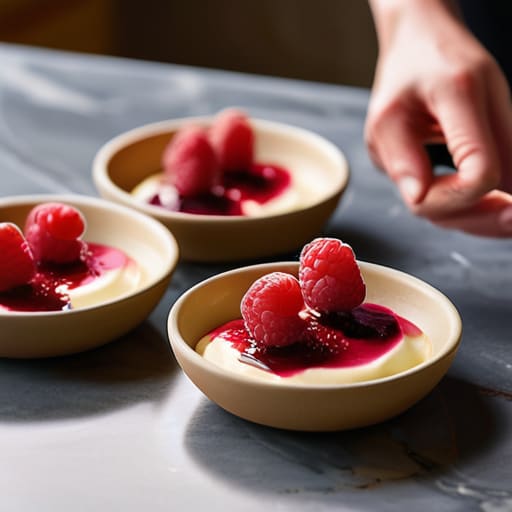
At the end of the day, making a dessert ahead of time isn’t about cutting corners; it’s about managing your energy so you aren’t a frantic mess when the guests actually arrive. We’ve talked about prepping your components early, keeping those elements properly stored so they don’t lose their texture, and understanding that a little bit of time is often the best preservative. If you’ve done the heavy lifting—the weighing, the chilling, and the careful storage—the final assembly should feel less like a battle and more like a graceful conclusion to the work you’ve already done. You aren’t just putting things on a plate; you are simply bringing together ingredients that have already been given the time they deserve.
Don’t let the fear of a “last-minute” finish keep you from attempting something ambitious. Even after thirty-four years of four o’clock starts, I still know that the most beautiful things happen when you stop fighting the clock and start working with it. If a cream is a little too soft or a garnish isn’t perfectly centered, let it be. People don’t come to your table for mathematical perfection; they come for the warmth of a dish that was made with intention. Trust your hands, trust your prep, and remember that the best part of any dessert is the moment you finally get to sit down and enjoy it yourself.
Frequently Asked Questions
If I make my pastry dough or sponge a day early, how do I stop it from drying out or losing its structure before I bake it?
If you’re prepping a sponge or a pastry dough a day ahead, you’re fighting evaporation. For a sponge, wrap it tightly in cling film while it’s still slightly warm to trap that residual moisture; if it’s cold, it’ll turn into a brick. For pastry, keep it between two sheets of parchment in the fridge. You want to protect the hydration without crushing the gluten. It’s about guarding the moisture, not just hiding it.
Can I make my creams and custards ahead of time, or will the texture change once they’ve sat in the fridge for a day or two?
You absolutely can, but you have to respect the starch and the fat. A well-made pastry cream or a custard thickened with egg yolks is actually more stable after it has had a night to settle in the cold. Just don’t let them sit naked in the fridge; cover them with parchment paper pressed directly against the surface to prevent that tacky skin from forming. If they feel a bit stiff the next day, just whisk in a tiny splash of milk to wake them up.
When I'm finally putting everything together at the last minute, how do I stop the components I made early from melting or wilting under the pressure?
The trouble isn’t your preparation; it’s the temperature of your workspace. If your creams are weeping or your garnishes are wilting, your kitchen is fighting you. Keep your components in the fridge until the very second they are needed. If you’re working with delicate mousses or tempered chocolate, chill your plating bowls first. Don’t try to rush the assembly in a warm room; give the elements a moment to settle before you force them together.