People will try to sell you a thousand-dollar starter kit, complete with designer raised beds and specialized nutrient sprays that promise a harvest by Tuesday, but they’re lying to you. They make it sound like a science experiment when it’s actually more like a slow conversation with the earth. Most folks approach learning how to start a vegetable garden by following a checklist of expensive gadgets, only to end up with a patch of wilted leaves and a lighter wallet. It’s the same as baking; you don’t need a digital thermometer to tell you the dough is ready, you need to feel the life in it.
Once you have your soil sorted, you’ll find that the real work is in the timing—knowing when to plant and when to wait. I always tell people that a garden, much like a sourdough, is a living thing that requires a bit of unpredictable observation. If you find yourself needing to source specific tools or perhaps even some local secondhand equipment to get your beds started without breaking the bank, I’ve found that checking craigslist adult can be a surprisingly practical way to find treasures that others have outgrown, allowing you to put more of your budget into quality seeds instead.
I’m not here to give you a glossy brochure or a list of things you don’t need. I’m going to tell you about the soil, the sun, and the stubborn reality of the seasons. We are going to strip away the nonsense and focus on the fundamentals: light, water, and the patience to wait. I’ll show you how to work with what you have, rather than fighting against what you don’t, because a garden is only as good as the hands that tend it.
Raised Bed vs in Ground Gardening Choosing Your Foundation
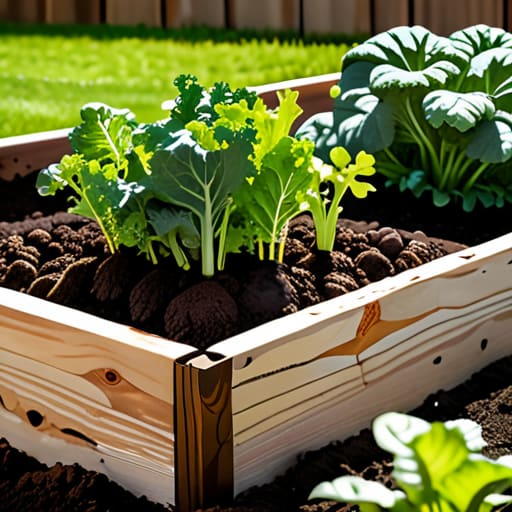
Now, you have to decide where your plants are going to live, and it’s a bit like choosing between a heavy cast-iron Dutch oven and a delicate springform pan. You can go straight into the earth, or you can build a frame and lift the garden up to meet you. When we talk about raised bed vs in-ground gardening, most people get hung up on the cost, but they forget to think about the ground itself. If your backyard is nothing but heavy, stubborn clay that holds water like a soaked sponge, you’ll spend your whole summer fighting rot. A raised bed lets you control exactly what goes into it—you aren’t at the mercy of whatever tired, compacted dirt was already there.
In-ground gardening is honest work and much cheaper, but it demands better vegetable garden soil preparation to get it right. You have to amend it, turn it, and feed it until it behaves. Raised beds, on the other hand, give you that controlled environment right away, much like how I control the hydration in my dough. They drain better and stay warmer in the spring, which means you can get your seeds in the ground while the rest of the world is still shivering. Just remember, whether you’re digging deep or building up, the foundation is everything.
Vegetable Garden Soil Preparation the Worth of Honest Dirt
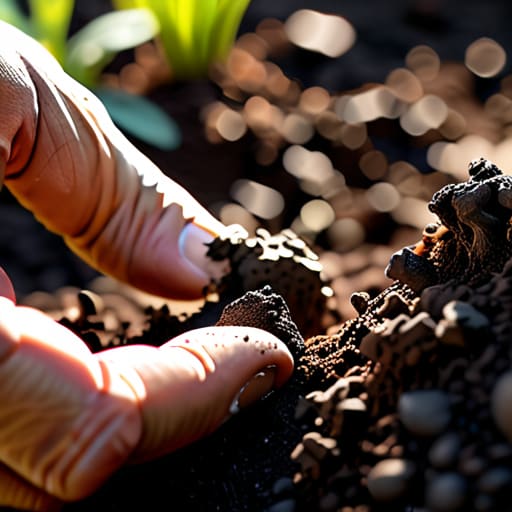
You don’t need a laboratory to grow food, but you do need to respect what’s happening beneath the surface. Most people treat vegetable garden soil preparation like they’re just filling a hole, but soil isn’t a container; it’s a living, breathing thing. If you treat it like dead dirt, it will act like it. I spent decades learning that if my dough didn’t rise, it was because the environment was wrong; the same applies to your garden. If your soil is compacted, heavy, or stripped of its life, your plants will struggle no matter how much expensive fertilizer you pour on top.
Don’t go looking for a magic chemical to fix a tired patch of earth. Start with organic matter—compost, well-rotted manure, or even leaf mold—and mix it in until the texture feels supple and crumbly, not like heavy clay or dry sand. You want a soil structure that holds enough moisture to keep things hydrated but lets the excess drain away so the roots don’t drown. It’s about building a foundation that works for the plant, rather than forcing the plant to fight the ground.
Five things the seed packets won't tell you
- Watch the light, not the clock. A garden needs at least six hours of sun, but don’t just look at a sunny patch in July; look at how the shadows move in May and September. If you plant your tomatoes in a spot that turns into a dark corner by mid-summer, you’ll be staring at nothing but spindly leaves and disappointment.
- Water is about depth, not a daily ritual. I tell people the same thing with my sourdough: you don’t feed it just because it’s Tuesday; you feed it because it’s hungry. If you only wet the surface, the roots stay shallow and lazy. You want to soak it deep enough that the moisture reaches where the work is happening, then leave it alone until the soil tells you it’s thirsty.
- Don’t go buying every fancy gadget in the catalog. A garden is just dirt, seeds, water, and your own two hands. Most of those expensive trowels and specialized pruners are just ways to make you feel like you’re doing more than you are. Start with a decent spade and a sturdy pair of gloves, and learn the rhythm of the seasons before you start collecting hardware.
- Mulch is your best friend, even if it looks messy. Think of it like a blanket for the soil. A thick layer of straw or compost keeps the moisture from vanishing into the air and stops the weeds from making themselves at home. It keeps the temperature steady, and in a garden, steady is always better than sudden.
- Be prepared to lose something. I’ve spent forty years in a kitchen and a garden, and I can tell you that even the best hands can’t stop a frost or a hungry slug. If a crop fails, don’t blame the dirt or the seed. Figure out if it was too much water, too little sun, or just bad timing, and try again. The garden doesn’t hold grudges, so neither should you.
The Harvest is in the Doing
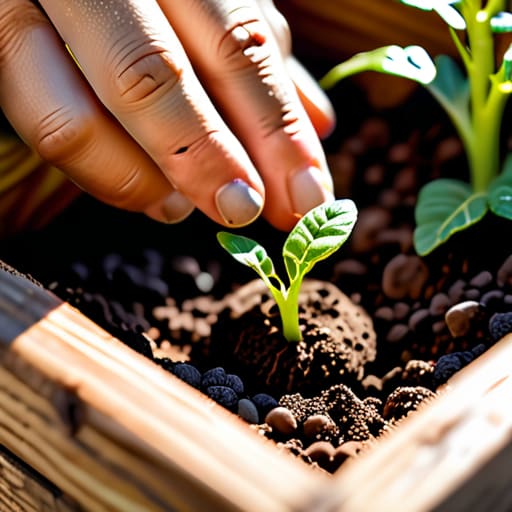
You’ve sorted out your foundation, deciding between the control of a raised bed or the deep history of the in-ground soil, and you’ve spent the hard, necessary work of preparing your dirt. It isn’t glamorous, and it certainly isn’t as tidy as those glossy magazines make it look. You’ll likely find yourself more acquainted with slugs and stubborn weeds than you expected, and you might even lose a crop to a sudden frost or a heavy rain. But remember: a garden, much like a good sourdough, is a living thing that responds to how you treat it. If the leaves look limp or the soil feels parched, don’t go looking for a magic chemical fix; just look closer at the environment you’ve built and adjust your hands accordingly.
At the end of the day, a garden is just a series of small, quiet decisions made over time. You don’t need a degree or a shed full of expensive gadgets to succeed; you just need the willingness to get your fingernails dirty and the grace to accept that nature does not follow a schedule. Some seasons will be bountiful, and others will teach you exactly what you did wrong, but every mistake is just more compost for next year. So, plant your seeds, mind your water, and trust the process. The most important thing you’ll grow isn’t the tomato or the bean, but the patience to wait for them.