I spent thirty-four years watching people walk into my shop and ask for “secret” pastry techniques, as if there’s some magic powder you can buy to fix a dough that’s been worked into a rubbery mess. Most of those fancy cookbooks will tell you that you need a chilled marble slab or a specialized pastry cutter to master the craft, but that’s just nonsense designed to sell more gadgets. If you are struggling with how to make shortcrust that actually flakes instead of crumbling into sad, sandy dust, the problem isn’t your equipment—it’s your patience and the heat coming off your own palms.
I’m not going to give you a list of “golden rules” that ignore the reality of a warm kitchen. Instead, I’m going to teach you to listen to the dough. We are going to talk about the exact ratio of fat to flour—and yes, we are using weights, not cups—and more importantly, we are going to talk about the temperature of your hands. By the time we’re done, you won’t need a photograph to tell you if your pastry is ready; you’ll be able to feel it.
Mastering Pastry Dough Ratios and the All Purpose Flour vs Pastry Flour Deb
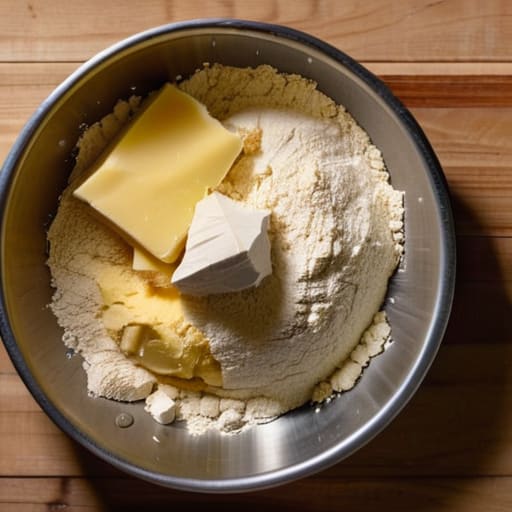
If you want to understand pastry dough ratios, stop looking at a cup and start looking at a scale. For a standard shortcrust, I always aim for a 100% flour base, roughly 50% fat, and just enough water to make the dough hold hands without being sticky. If you go above 55% fat, you’re moving toward a melt-in-the-mouth shortbread; if you drop below 45%, you’re making something more structural, perhaps for a heavy quiche.
Now, about the all-purpose flour vs pastry flour debate. People get caught up in the labels, but here is the truth: it’s all about protein. Pastry flour is lower in protein, which is lovely for a delicate, sandy crumb, but if you can’t find it, don’t panic. You can use all-purpose, provided you are disciplined about preventing overworking dough. The more you touch it, the more gluten develops, and the more you’ll end up with a tough, leathery crust instead of that beautiful, shattered-glass effect we all want. If your hands feel like they’re heating up the fat, stop, step away, and let it rest.
The Cold Butter Technique Why Temperature Governs Your Success
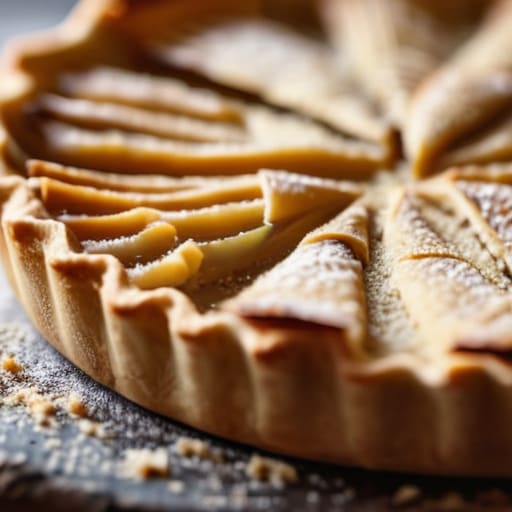
If you’ve ever pulled a tart from the oven only to find it’s turned into a sad, heavy biscuit, you haven’t failed the recipe; you’ve simply let the heat win. The secret to a proper flaky pastry texture isn’t in how much you stir, but in how much you don’t. You want those little pebbles of fat to stay exactly as they are—hard, cold, and distinct. When that butter hits the heat of the oven, it melts and creates steam, and that steam is what pushes the layers of flour apart to create those beautiful, shattering shards we’re all after.
If your kitchen is particularly warm today, don’t fight it; just work faster or put your flour in the freezer for ten minutes. I always tell people that the cold butter technique is really a battle against your own body heat. If you feel the dough getting tacky or soft under your palms, stop. Walk away. Put it in the fridge for twenty minutes. Chilling your pastry dough isn’t a suggestion; it’s a necessity to ensure the gluten relaxes and the fat stays solid.
Five Things Your Hands Will Tell You Before Your Eyes Do
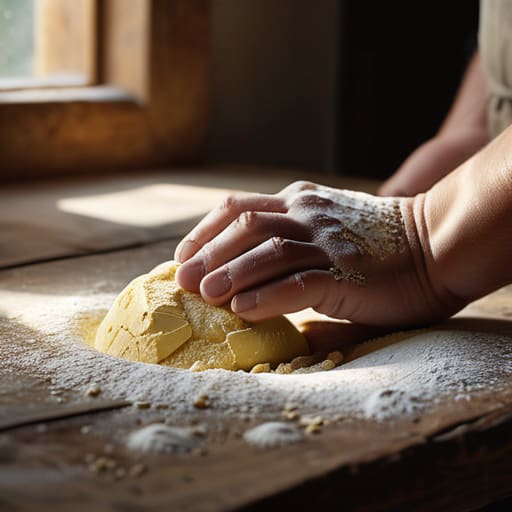
- Stop looking for a uniform sand; you want those pea-sized lumps of fat staying intact. Those little pockets of cold butter are what create the steam that lifts the pastry in the oven. If you rub the flour until it looks like fine dust, you’ve already lost the battle to a tough, heavy crust.
- Watch your hydration like a hawk. I usually aim for about 65% liquid relative to my flour weight, but your kitchen might be parched or humid. Don’t just dump in the water; add it bit by bit until the dough just barely holds together when you squeeze a handful. If it feels tacky, it’s thirsty; if it feels wet, you’ve gone too far.
- Give the dough a rest that actually means something. I’m talking at least an hour in the fridge, wrapped tight. This isn’t just to chill it; it’s to let the gluten relax and the flour fully hydrate. If you try to roll out a dough that’s just been worked, it’ll fight you every inch of the way and snap back like a rubber band.
- Use a light touch when it comes to the final assembly. I’ve seen too many beginners treat dough like they’re kneading bread, working it with heavy palms and muscle. Shortcrust is delicate. Use your fingertips, keep your movements minimal, and remember that every second your hands are in there, you’re melting the very fat you worked so hard to keep cold.
- Don’t trust the timer; trust the smell and the feel. A shortcrust is done when the edges are just beginning to set and the center looks matte rather than shiny. If you wait until it looks deeply golden in a photograph, you’ve likely overbaked the delicate fats, and you’ll end up with a crumbly mess instead of a crisp, short texture.
The Baker’s Three Truths for Perfect Shortcrust
Stop reaching for the measuring cups; if you aren’t weighing your flour and fat in grams, you’re just guessing, and guessing is how you end up with a heavy, leaden crust.
Your hands are your most important tool, but they are also your biggest enemy—if you feel the butter softening under your palms, stop immediately and put the dough in the fridge, or you’ve already lost the flake.
Don’t chase a picture of a perfect, uniform dough; look for those tiny, pea-sized lumps of cold fat, because those little pockets are exactly what create the steam and the lift when they hit the oven.
The Feel of the Dough and the Patience to Wait
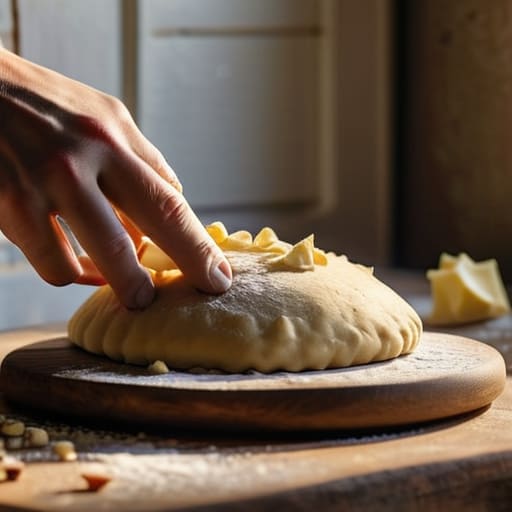
At the end of the day, shortcrust isn’t about following a list of instructions like you’re assembling furniture; it is about managing the relationship between your flour and your fat. Remember that your ratios are the foundation, but the temperature of your kitchen and the heat from your own palms are the true variables. If you’ve kept your butter cold, used weights instead of those lying measuring cups, and resisted the urge to overwork the gluten, you are already halfway there. Don’t chase a perfect, uniform look in the bowl—instead, listen to the texture and look for those tiny, distinct shards of fat that promise a flaky finish. If the dough feels tacky or soft, give it a rest in the fridge; patience is your best tool when the dough starts to fight you.
I spent thirty-four years watching dough rise and fall, and I can tell you that even the best bakers have a bad crust every now and then. Don’t let a shattered pastry or a tough edge discourage you. Every time you handle the dough, you are learning its language, teaching your hands to recognize the exact moment when it transitions from a shaggy mess to a cohesive, workable pastry. Baking is a conversation between you and the ingredients, and sometimes you just have to learn to listen. So, keep your flour measured, your butter chilled, and trust your hands more than any photograph you see online. You’ll get there.
Frequently Asked Questions
My pastry is coming out tough and bready like a biscuit instead of flaky; did I overwork the dough or is my flour to water ratio off?
It’s likely a bit of both, but I’d bet my starter on your hands being too busy. If it feels like a biscuit, you’ve developed gluten. You’re treating it like bread dough, kneading it into submission when you should be coaxing it. At 65% hydration, even a little extra mixing turns those lovely fat pockets into a solid, tough wall. Stop looking for a smooth surface; look for shaggy lumps and stop touching it.
If I'm working in a kitchen that's particularly warm, can I use frozen butter instead of just cold butter to keep the fat from melting too early?
You certainly can, and in a sweltering kitchen, you absolutely should. If your hands are warm or the air is heavy, that butter is looking for any excuse to turn into oil. Grating frozen butter directly into your flour is a lovely trick; it keeps those little fat pockets intact longer. Just don’t let it get so hard that you can’t incorporate it. You’re still looking for those pea-sized lumps, not pebbles.
Should I be looking for a specific visual cue to know when I've added enough liquid, or is there a way to tell by the way the dough clumps together?
Don’t trust your eyes; they’ll trick you into adding too much water just because the flour looks dry. Instead, use your hands. You’re looking for the dough to just barely hold together—it should feel like a collection of moist clumps that cling to one another when you squeeze them, but it shouldn’t feel tacky or stick to your skin. If it’s smooth like playdough, you’ve gone too far. Stop while it’s still a bit shaggy.