I spent thirty-four years watching people walk into my bakery and ask for strawberries in the middle of a biting January, as if a little bit of sugar and a heated greenhouse could ever replace the real thing. They want that bright, red perfection year-round, but they don’t realize they’re just paying for hollow flavor and a texture like wet cardboard. If you want to learn how to use seasonal fruit well, you have to stop fighting the calendar and start listening to what the earth is actually offering you. There is no point in forcing a recipe to work with fruit that hasn’t even begun to wake up yet.
I’m not here to sell you on fancy gadgets or expensive imported preserves that mask a mediocre harvest. Instead, I want to teach you how to recognize the exact moment a peach transitions from hard as a stone to something worth baking, and how to respect the fruit’s natural temperament. We are going to talk about acidity, sugar levels, and why you should never, ever rush a compote. I’ll show you how to work with the fruit you have, right now, so you can achieve results that actually taste like the season itself.
Mastering the Seasonal Produce Calendar and Timing
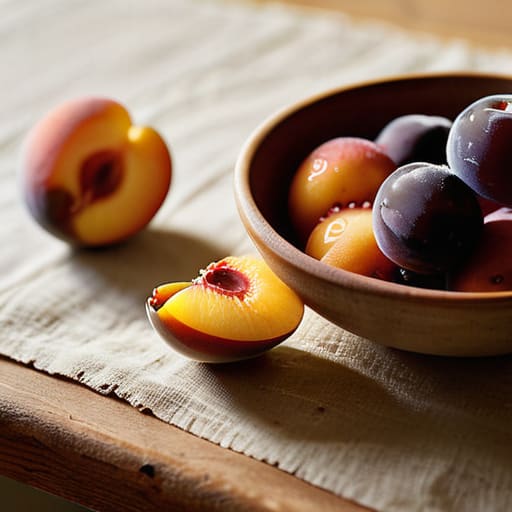
You can’t treat a peach like a strawberry, and you certainly shouldn’t treat a plum like a nectarine. If you want to get this right, you have to stop looking at the supermarket’s plastic-wrapped offerings and start studying a proper seasonal produce calendar. In my shop, I never bought berries in December, no matter how much the suppliers begged; they tasted of nothing but cold water and disappointment. Success starts with identifying fruit maturity by scent and weight rather than just color. If a stone fruit doesn’t perfume the air around it, it isn’t ready to be baked, and no amount of heat in your oven will coax sweetness out of a fruit that hasn’t finished its own work.
Once you find that window of perfection, you have to respect it. The transition from the orchard to your kitchen is where most people stumble. I’ve seen too many lovely harvests ruined because someone applied the wrong fruit storage techniques—putting delicate berries in a drafty spot or leaving stone fruits on a hot counter too long. You have to learn the rhythm of the seasons; when the window is wide, you bake; when it’s closing, you begin preserving seasonal harvests through jams or drying. It’s all about timing.
Identifying Fruit Maturity by Scent and Skin
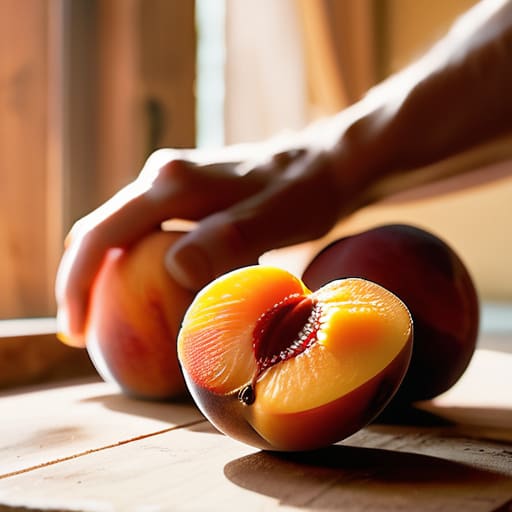
You can’t trust a glossy photograph to tell you if a peach is ready for a galette, and you certainly shouldn’t trust a supermarket sticker. If you want to get right to the heart of identifying fruit maturity, you have to stop looking and start using your nose. A ripe plum or a nectarine won’t just look pretty; it will give off a heavy, perfume-like scent that hits you before you even pick it up. If it smells like nothing, it’s nothing. If it smells like a floral garden in July, it’s ready.
Then there is the matter of the skin. I always tell my neighbors that a fruit’s skin is its first line of defense and its most honest communicator. A peach should give just a fractional amount of resistance when you press it near the stem—not a mushy sink, but a gentle, springy give. If the skin is tight and waxy, it’s likely still fighting its way toward its peak flavor profiles. If it’s wrinkled, it’s passed its prime and is better suited for a jam than a centerpiece.
Five ways to treat fruit with the respect it deserves
- Stop trying to force a flavor that isn’t there; if you’re looking at a strawberry in January that’s hard as a marble and tastes like nothing but water, put it back. You can’t bake a jam out of disappointment, and no amount of vanilla extract is going to conjure the soul into fruit that was picked before it was ready.
- Learn to balance your acids and sugars by feel, not by the spoon. If you’re making a galette with particularly tart berries, you’ll need to adjust your sugar ratio upward—perhaps an extra 5% by weight—to compensate, but don’t just dump it in. Taste the fruit first, then decide if it needs a little help or if it’s already singing.
- Respect the temperature of your ingredients before they hit the oven. If you’re folding macerated peaches into a sponge, make sure those peaches aren’t ice-cold from the fridge, or you’ll shock your batter and end up with a heavy, uneven crumb that feels like a mistake.
- Don’t be afraid of the “ugly” fruit for your preserves and compotes. A peach that’s gone a bit soft or a bruised plum is often much better for a heavy bake than the perfect, firm specimens meant for a fruit salad; the breakdown of the cell walls means more juice and more concentrated flavor once the heat hits it.
- Use your hands to check the texture, not just your eyes. When you’re working with a fruit filling, you should feel the difference between a fruit that is merely coated in syrup and one that has actually surrendered its structure to the heat; if it feels too structural, it’s likely undercooked or you haven’t given it enough time to weep its juices.
The Baker's Rules for Fruit
Stop looking at the calendar and start looking at the fruit; if a peach smells like nothing, it’s just a piece of expensive water, so wait until the scent actually reaches you.
Respect the sugar-to-acid balance by tasting a small slice before you commit your entire batch of preserves, because you can always add a bit of honey, but you can’t take out the bitterness of underripe fruit.
Treat fruit like dough—it is a living thing that changes by the hour—so if you’re baking with berries, check their integrity right before they hit the oven, rather than trusting they’ll stay firm through a long bake.
The Rhythm of the Season
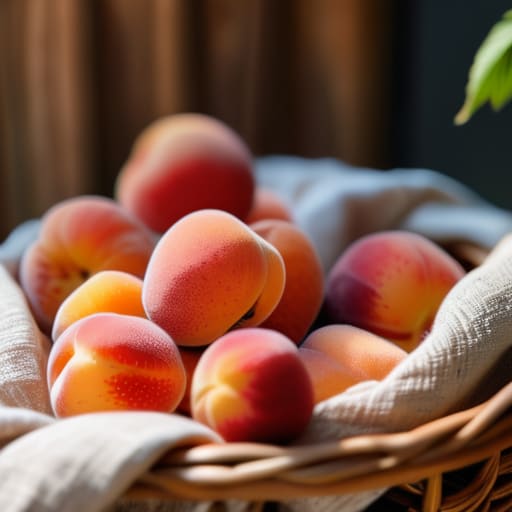
At the end of the day, using fruit well isn’t about following a rigid list or buying the most expensive crate at the market; it’s about learning to listen to what the earth is offering right now. You’ve learned to watch for the subtle changes in skin texture, to trust your nose over a label, and to respect the natural calendar that dictates when a peach is a masterpiece and when a strawberry is merely a disappointment. Remember that timing is everything—if you try to force a summer flavor in the middle of a frost, you’ll find yourself fighting the ingredient rather than working with it. Stop looking for perfection in a supermarket plastic box and start looking for the peak of ripeness in the local stalls.
I spent thirty-four years waking up before the sun just to catch the produce at its most honest, and if there is one thing I’ve learned, it’s that nature cannot be rushed. You can have the most precise scale and the most expensive oven, but if you don’t have the patience to wait for the fruit to be ready, the result will always feel hollow. Don’t be afraid to make mistakes or to let a batch go wrong because the air was too humid or the fruit was a day too late; those are just lessons written in sugar and juice. Put down the recipe for a moment, feel the weight of what’s in your hand, and just bake what the season demands.
Frequently Asked Questions
If my fruit is slightly past its prime and getting soft, can I still use it in a dough or should I toss it?
Toss it? Heavens, no. If it isn’t smelling of rot or showing grey fuzz, it’s just getting honest. Soft fruit is actually a blessing for doughs; the cell walls have broken down, meaning the juices will integrate more easily into your hydration. Just be careful—as the sugar concentrates, you might need to dial back your sweetener slightly. Use it in a heavy, enriched brioche or a rustic galette where that extra moisture can do some good.
How do I adjust my sugar levels when the fruit is naturally much sweeter than what I'm used to?
Listen, stop treating sugar like a fixed requirement. If your berries are bursting with juice and sweetness, your recipe shouldn’t be a battleground. I always work with baker’s percentages, and I treat sugar as a variable, not a constant. Taste your fruit first. If it’s peak season, cut your sugar by 15 or 20 percent. Let the fruit do the heavy lifting; you’re there to support it, not drown it in crystals.
When using frozen fruit instead of fresh, how do I stop it from turning my entire batter into a soggy mess?
Frozen fruit is a thief; it steals moisture from your batter the moment it thaws. If you’re using berries, don’t let them defrost in the bowl. Toss them in a bit of your flour—or better yet, a bit of your starch—while they are still ice-cold. This creates a little protective coat. And for heaven’s sake, don’t overmix once they’re in. You want them suspended, not bruised into a purple soup.