I remember standing in the middle of my shop at five in the morning, flour dusting my apron and the air heavy with the scent of proofing dough, when a customer brought in a “premium” bar she’d paid a fortune for. She wanted to know why her ganache had broken and tasted like nothing but sugar. I took one look at the ingredient list—mostly vegetable fats and a dusting of cocoa powder that had seen better decades—and realized she’d been sold a lie. Most people think they need a complicated, glossy guide to different types of chocolate to master their baking, but they’re usually just being misled by clever packaging and marketing jargon.
I’m not here to sell you on expensive labels or tell you that a certain brand is “magical” just because it has a gold foil wrapper. Instead, I’m going to give you the unvarnished truth about cocoa solids, fat content, and how each variety actually behaves when it hits a hot pan or a cold bowl. We’ll talk about what to look for in the ingredients and, more importantly, how the texture will change your bake. I promise to treat your kitchen with the same respect I treat my oven: no nonsense, no shortcuts, just the facts you need to get it right.
The Truth in the Cacao Bean Processing Stages
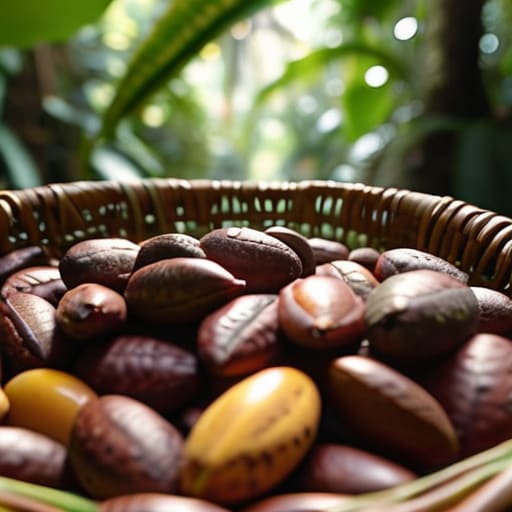
You can’t expect a bar of chocolate to taste like anything more than a sugary mask if the maker didn’t respect the cacao bean processing stages. It starts long before the beans reach a conche; it begins in the fermenting baskets under tropical leaves. If that fermentation is rushed or uneven, you’ll never find those bright, fruity notes in your finished bake, no matter how much expensive vanilla you stir in. I’ve seen too many people blame a “bitter” chocolate for being poor quality, when really, it’s just a bean that wasn’t given the time to develop its character during those first few days of sweating in the heat.
Once those beans are dried and roasted, the real character is forged. It’s a delicate dance of heat—too much and you burn away the soul of the bean; too little and you’re left with a raw, astringent mess. When you’re looking for tasting notes for gourmet chocolate, you aren’t just looking for sweetness. You’re looking for the evidence of a careful roast. If the chocolate feels gritty or tastes dusty, the refining process was likely cut short to save a few pennies, and no amount of cream will hide that lack of care.
Dark Chocolate Cocoa Percentage and the Cost of Speed
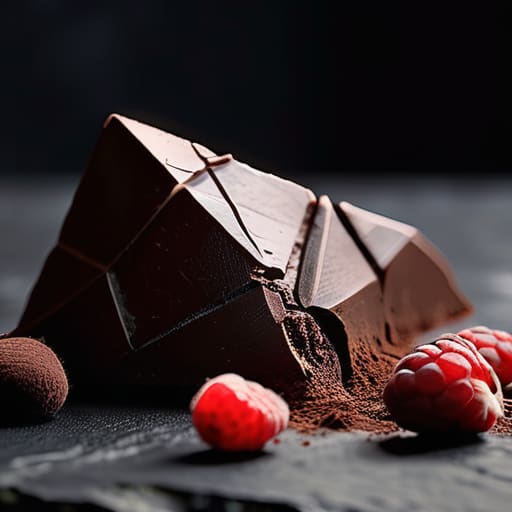
When you see a bar labeled with a high dark chocolate cocoa percentage, don’t just look at the number and assume it’s superior. That number is a measurement of intensity, not necessarily quality. I’ve seen manufacturers jack up the percentage to hide a mediocre roast, using the bitterness to mask a lack of depth. A true, high-quality dark chocolate should have a complexity that unfolds on your tongue—notes of fruit, earth, or even tobacco—rather than just a blunt, one-note punch of astringency. If it feels waxy or coats your teeth like a film, they’ve likely added too much vegetable fat to speed up the production line.
The real difference between milk and white chocolate is often discussed in terms of cocoa solids, but in my kitchen, the difference is about the soul of the fat. While white chocolate relies on the cocoa butter, dark chocolate relies on the integrity of the bean itself. When you are working with high-percentage bars, you must respect the temper; these chocolates are temperamental. They don’t forgive a kitchen that is too humid or a hand that is too hurried. If you rush the melting, you lose the snap, and once that structure is gone, you’re just eating expensive sludge.
Five Ways to Tell if Your Chocolate is Worth the Weight
- Stop looking at the color and start listening for the snap. A good bar, whether it’s a 70% dark or a creamy milk, should break with a sharp, clean sound that echoes slightly. If it thuds or bends like wet clay, the tempering was rushed or the fats are poor quality; it’ll never melt smoothly in your hands, and it certainly won’t behave in a ganache.
- Learn to respect the cocoa butter percentage, not just the cocoa solids. You can find a bar that claims to be “dark” but is mostly sugar and vegetable oil masquerading as fat. Real chocolate needs that cocoa butter to provide the silky mouthfeel that carries the flavor across your tongue. If the ingredient list looks longer than a grocery receipt, put it back.
- Don’t let a “white chocolate” label fool you into thinking it’s a different species. It is still chocolate, just without the cocoa solids. If you’re using it for a mousse, treat it with the same respect you’d give a dark chocolate; it’s sensitive to heat and prone to seizing if your water bath is even a few degrees too hot.
- Temperature is everything, especially when you’re melting. I’ve seen too many people crank the heat because they’re in a hurry to get a glaze finished. If you scorch the solids, you’ve ruined the nuance of the bean. Use a gentle bain-marie and keep your eyes on the texture, not the clock.
- Trust your palate over the marketing jargon. “Single-origin” or “artisan” are lovely words, but they don’t mean a thing if the chocolate tastes like nothing but burnt sugar. A proper bar should have a journey—perhaps a bright acidity at first, followed by a deep, earthy finish that lingers long after you’ve swallowed.
Beyond the Wrapper
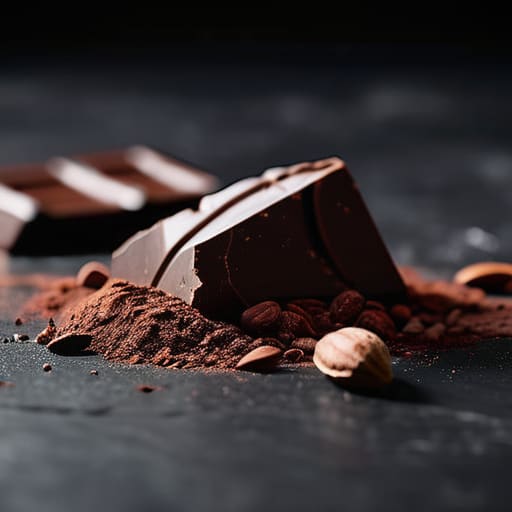
At the end of the day, understanding chocolate isn’t about memorizing a list of percentages or chasing the most expensive label on the shelf. It is about recognizing that a bar is a living thing, shaped by how the beans were fermented, how carefully the conching was managed, and whether the maker had the patience to let the flavors develop or simply rushed to meet a deadline. Whether you are reaching for a high-percentage dark to balance a tart fruit or a creamy milk chocolate to soften a heavy sponge, remember that quality is found in the details of the process. Don’t let a shiny foil wrap fool you; look for the snap, check the ingredient list for unnecessary fats, and always respect the temperament of the cacao.
If there is one thing thirty-four years of early mornings taught me, it is that you cannot rush excellence, whether you are proofing a sourdough or tempering a batch of ganache. Chocolate, much like bread, demands your attention and your respect. Don’t be afraid to make mistakes—maybe a batch melts too quickly or a truffle doesn’t set quite right—because those little failures are usually just your kitchen telling you that the temperature was off or your hands were too heavy. Trust your senses more than any printed guide. Once you stop looking at chocolate as a mere ingredient and start seeing it as a craft, you’ll find the magic in the melt.
Now, if you’re moving from simply melting a bar for a sauce to actually working with chocolate as a structural ingredient, you’ll find that your hands need to learn the temperament of the fat just as much as a baker learns the hydration of a dough. It’s a finicky dance of heat and movement, and if you find yourself feeling a bit lost in the technicalities of how to handle these delicate textures, I often suggest looking toward the practical, no-nonsense wisdom found in a plan cul granny to help ground your approach. Sometimes you just need a steady hand and a bit of common sense to realize that if the chocolate isn’t behaving, you haven’t failed the recipe—you’ve simply rushed the patience required for the chemistry to settle.