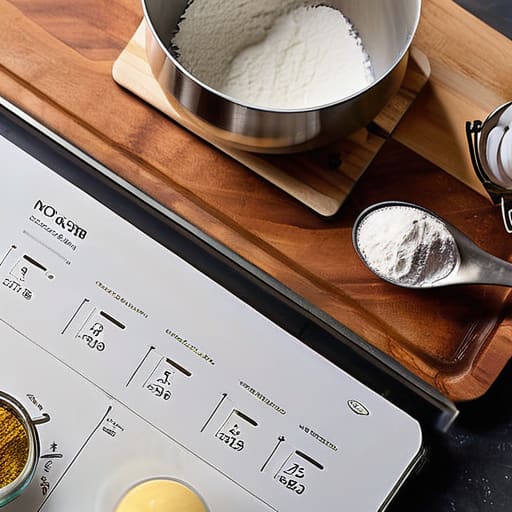
I spent thirty-four years waking up before the sun to the sound of flour hitting wooden bowls, and if there is one thing those four o’clock starts taught me, it’s that you cannot bully a living thing into behaving. Most of the fancy guides you find online try to sell you a rigid, minute-by-minute timetable, as if your sourdough is a factory machine rather than a temperamental guest in your kitchen. They’ll tell you to bulk ferment at exactly 11:00 AM, but they never account for the fact that your kitchen is ten degrees colder on a rainy Tuesday. Learning how to make a starter loaf schedule isn’t about following a clock; it’s about learning to read the dough and adjusting your life to match its rhythm.
I’m not here to give you a set of rules that will fail the moment the seasons change. Instead, I’m going to show you how to build a framework based on temperature and fermentation stages rather than mere numbers on a watch. We are going to talk about how to map out your day around the dough’s needs, ensuring you aren’t rushing the rise or left staring at an underproofed loaf at midnight. I promise to give you the honest, experience-based logic you need to bake when the dough is ready, not just when the timer goes off.
Mastering Your Sourdough Feeding Routine With Precision

Now, let’s talk about the heart of the matter: your starter. You cannot treat a living thing like a kitchen appliance that you just plug in when you’re ready to work. If you want to build a reliable sourdough feeding routine, you have to stop looking at the clock and start looking at the bubbles. I’ve spent decades watching cultures rise and fall, and I can tell you that a starter doesn’t care that it’s 7:00 AM; it only cares about the temperature of your counter and the flour you’ve fed it. I always aim for a 1:2:2 ratio—one part starter, two parts flour, two parts water—to give it enough food to carry it through a longer stretch.
When you are managing sourdough starter activity, consistency is your best friend, but flexibility is your survival tool. If your kitchen is drafty and cold, that feeding is going to take longer than the book says, and that is perfectly fine. Don’t force a schedule just because the sun is up; wait until the starter has doubled and smells like sweet yogurt rather than sharp vinegar. The dough will wait for you, but you shouldn’t rush the fermentation.
Understanding the Sourdough Fermentation Timeline
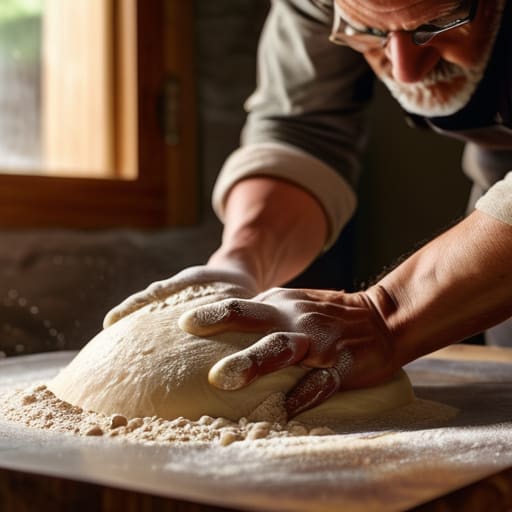
You have to stop thinking of fermentation as a countdown on a kitchen timer and start seeing it as a conversation. A sourdough fermentation timeline isn’t a set of rigid rules; it’s a map of how your specific environment is treating your yeast. If your kitchen is a drafty stone cottage in November, that dough is going to take its sweet time, whereas a warm summer afternoon will make it race ahead before you can even grab your bench scraper. You aren’t looking for a specific minute on the clock; you are looking for the moment the dough looks alive—full of tiny bubbles and feels aerated, almost like it’s breathing against your palm.
The most common mistake I see is people trying to force the proofing stages for sourdough to fit a strict clock. If you’re attempting a baking schedule for working professionals, you’ll likely lean heavily on overnight dough proofing in the refrigerator. This is a brilliant trick, mind you. Cold temperatures act like a brake on a bicycle, slowing everything down so you can actually sleep instead of hovering over a bowl at midnight. Just remember: the fridge doesn’t stop the clock, it just turns the dial down.
Five Ways to Stop Chasing the Dough and Start Leading It
- Stop looking at the clock and start looking at the bubbles. A schedule is a suggestion, but the fermentation is the boss. If your kitchen is running a few degrees cold, that three-hour bulk ferment might take five, and that’s perfectly fine. Don’t try to force a dough to move just because your timer went off; wait until it actually looks alive and aerated.
- Build your day around the “Peak,” not the morning. If you want to bake in the morning, you need to be feeding your starter late at night or very early, depending on how much activity you see. I always plan my shaping for the moment the starter is at its most vigorous—if you miss that window because you were busy with something else, you’ll be fighting a sluggish dough all afternoon.
- Use temperature as your primary lever for adjusting time. If you know you have a busy afternoon and can’t be home to shape the dough, use cooler water or a slightly lower hydration (maybe 65% instead of 75%) to slow things down. If you’re in a rush, a splash of warm water can kickstart the yeast, but don’t get greedy—you’ll lose the flavor.
- The “Fridge Cheat” is your best friend for a predictable schedule. If your bulk fermentation is progressing beautifully but your evening is looking chaotic, tuck that shaped loaf into the refrigerator. Cold slows the clock down without killing the spirit of the dough, allowing you to bake on your own terms the next morning.
- Map your “Active Hours” versus your “Waiting Hours.” Most people fail because they schedule a loaf for a time when they are actually at work or out of the house. Plan your heavy lifting—the mixing, the folds, and the shaping—for the windows when you are actually standing in the kitchen. A starter won’t perform just because you’re in a hurry, so make sure you’re actually there to witness it.
The Baker’s Truths to Carry Into Your Kitchen
Forget the clock and watch the dough; a schedule is just a suggestion, but the temperature of your kitchen and the feel of your fermentation are the real masters.
Stop measuring in cups if you want consistency; stick to weights and percentages so you actually know the hydration you’re working with when the dough hits the bench.
Respect the time it takes for the flour to wake up, because you can’t bully a sourdough starter into performing faster just because you’re hungry.
Finding Your Own Rhythm
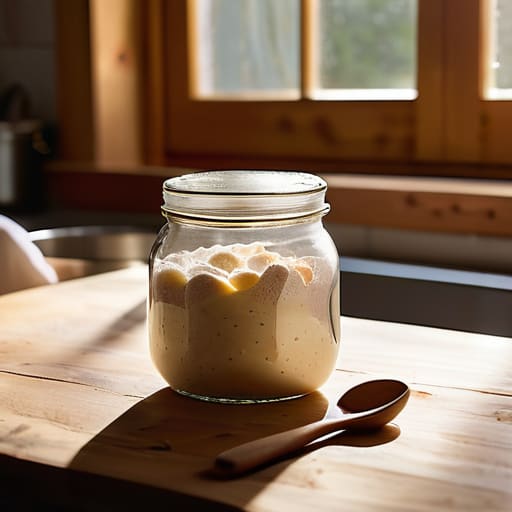
At the end of the day, a schedule isn’t a cage; it’s just a way to stop fighting against the biology of your dough. You’ve learned that your starter needs its consistent feedings, that fermentation follows the temperature of your kitchen rather than the ticking of a clock, and that your bulk rise is a living thing that requires your attention. If you find your dough is sluggish, don’t blame the flour—look at the room temperature or check if you’ve rushed the window of peak activity. Once you stop treating your sourdough like a math problem and start treating it like a living rhythm, you’ll find that the timing begins to settle into something that feels less like a chore and more like a habit.
I spent thirty-four years waking up before the sun just to ensure my loaves were ready for the morning rush, and if there is one thing those early hours taught me, it’s that you cannot force a rise. You can have the most precise weights and the most meticulous spreadsheets, but the bread will always tell you when it is ready, not when your timer goes off. So, let the dough breathe, trust your hands more than your eyes, and remember that a slightly late loaf is infinitely better than a rushed one. Baking is a conversation between you and the grain, and patience is the only way to truly hear what it’s saying.
Frequently Asked Questions
My kitchen is freezing in the winter; how do I adjust my feeding schedule when the starter seems to be sleeping?
Listen, a starter isn’t sleeping; it’s just hibernating because your kitchen is acting like a cellar. If your dough is sluggish, stop fighting the clock and start fighting the temperature. Use water that’s closer to 85°F (29°C) to give it a warm wake-up call, or find a cozy nook near the oven. Don’t force a feeding every twelve hours if it hasn’t peaked; let it take its time. Warmth is the engine.
I work a standard nine-to-five, is it actually possible to bake a loaf without sacrificing my entire weekend to the dough?
It is entirely possible, provided you stop trying to force the dough to follow your clock and start making your clock follow the dough. You don’t need your whole weekend; you just need a fridge. Use a cold retard. Mix your dough in the evening, let it bulk ferment on the counter, and then tuck it into the refrigerator overnight. It’ll sit there, developing flavor slowly, waiting for you to bake it after work.
How do I know if I've pushed the bulk fermentation too far, or if the dough just needs another hour to find its strength?
Stop looking at the clock and start looking at the dough. If it’s doubled in size, feels jiggly like a bowl of custard, and holds a soft indentation when you poke it, it’s likely ready. If that indentation springs back immediately, it’s hungry for time. But if it collapses or looks bubbly and flat, you’ve pushed it too far. Trust your hands; if the dough feels fragile and lacks tension, it’s over.