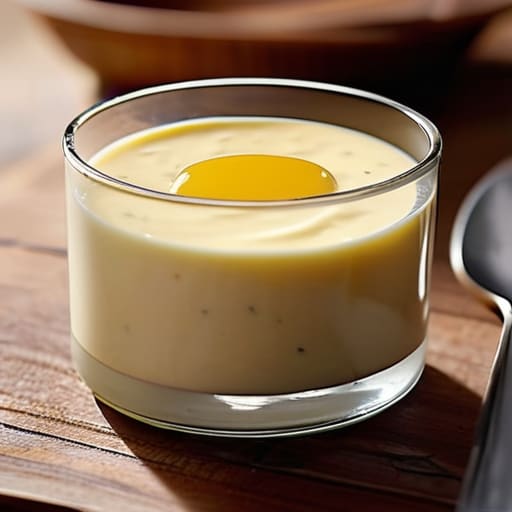
I’ve spent more years than I care to count watching people buy expensive, specialized silicone molds and heavy-duty water baths, convinced that a piece of hardware is the secret to a smooth surface. It’s nonsense. People come to me frustrated, asking how to bake a cheesecake without cracks, as if the solution is hidden in a gadget from a high-end kitchenware catalog. In my thirty-four years behind the counter, I learned that a fissure running down the center of your cake isn’t a failure of your equipment; it’s almost always a failure to respect the temperamental nature of temperature. You can spend fifty pounds on a fancy pan, but if you treat your batter like it’s in a hurry, it will crack every single time.
I am not going to give you a list of miracle tools or tell you to follow a recipe that relies on “cups” and guesswork. Instead, I’m going to tell you about the physics of the oven and the importance of stillness. We are going to talk about why your ingredients need to be at a specific room temperature before they ever touch a bowl, and why the way you cool the cake is just as vital as the way you bake it. I promise to give you the honest, weight-based truth so you can finally stop fearing the oven and start trusting your hands.
Room Temperature Ingredients Cheesecake a Lesson in Equilibrium
If you walk into my kitchen when I’m prepping a heavy batter, you won’t see a single cold egg or a block of butter straight from the larder. I’ve spent decades learning that a cheesecake is essentially a delicate emulsion, and an emulsion hates a shock to the system. When you try to force cold eggs into softened cream cheese, you aren’t just mixing; you are fighting the physics of the ingredients. This struggle creates tiny lumps that won’t disappear, and those lumps are exactly what lead to uneven heat distribution and, eventually, preventing cheesecake surface cracks becomes a much harder task than it needs to be.
A room temperature ingredients cheesecake is about achieving equilibrium. I want my cream cheese to be supple enough to move with the whisk, and my eggs to be at the same thermal baseline as the dairy. If you rush this by using cold components, you’ll find yourself overworking the batter just to get it smooth, and overbeating cheesecake batter is a one-way ticket to a puffed-up cake that collapses and cracks the moment it hits the air. Treat your ingredients with a bit of respect, let them sit out, and let them find their balance before you ever turn on the oven.
Overbeating Cheesecake Batter the Cost of Haste and Air
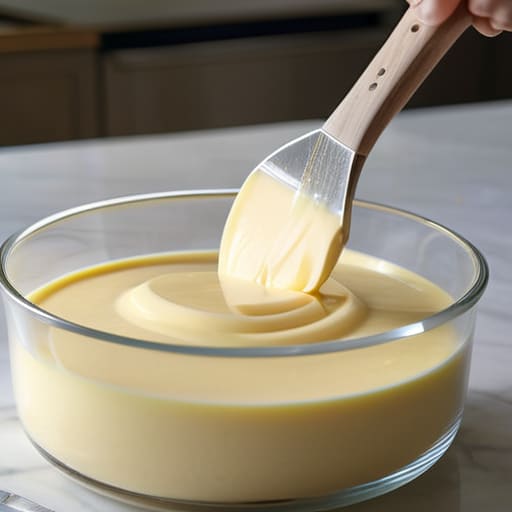
You’ll see plenty of people whisking their batter like they’re trying to win a race, but in a cheesecake, speed is the enemy of a smooth surface. When you go overboard with the electric mixer, you aren’t just mixing ingredients; you are inviting air into the structure. Those tiny bubbles are what lead to those unsightly, jagged fissures once the heat hits the oven. Overbeating cheesecake batter creates a structural instability that no amount of careful baking can fix later. If you see bubbles rising to the top of your bowl, stop. You aren’t making a sponge cake; you are making a custard, and a custard wants stillness, not aeration.
Once you’ve managed to keep the air out, you have to respect the transition from oven to counter. I’ve seen many a beautiful cake ruined because someone tried to pull it out too quickly. To truly master preventing cheesecake surface cracks, you must embrace the slow cooling cheesecake method. Let it sit in the oven with the door just a hair ajar, or let it settle in its water bath until the temperature has dropped naturally. A cheesecake doesn’t just bake; it settles, and it needs time to find its peace.
The Three Pillars of Stillness: Water, Heat, and Time
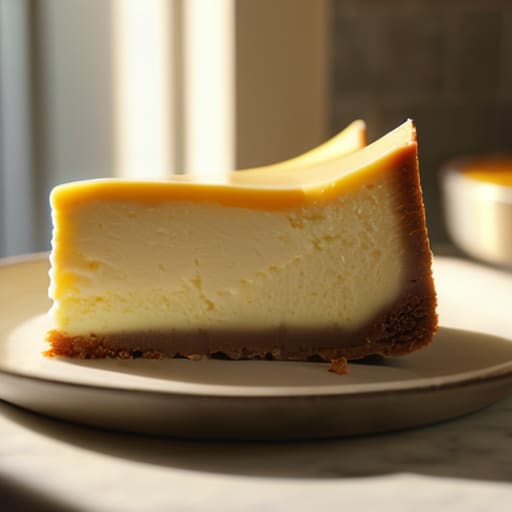
- The Water Bath is Not Optional: If you aren’t using a bain-marie, you aren’t baking a cheesecake, you’re roasting it. That gentle, surrounding steam acts as a buffer, keeping the edges from seizing up and pulling away from the center while the middle is still trying to find its footing.
- The Oven Temperature Trap: Stop cranking the dial up because you think it will cook faster. A cheesecake wants a low, steady hum of heat, not a sudden blast. If your oven runs hot—and most do—drop your temperature by ten degrees and accept that the clock is your guide, not the dial.
- The Gentle Descent: The most dangerous moment for a cheesecake is when the oven door shuts. When the timer goes off, do not pull the tin out like you’ve won a race. Turn the oven off, crack the door just a hair, and let it sit in that cooling twilight for an hour. Sudden temperature shifts are what cause those unsightly fissures.
- Respect the Residual Heat: A cheesecake is still cooking long after it leaves the heat. If you try to pull it out while the center is still wobbling like a jelly, you’ve already lost the battle. It needs to set in its own warmth; let the stillness of the kitchen do the heavy lifting.
- The Patience of the Chill: I know it’s tempting to slice into it while it’s still slightly warm, but a cheesecake is a slow-motion dessert. It needs a full night in the cold to settle its structure. If you rush the cooling, you’re inviting the texture to collapse and the surface to fracture.
Three Truths for a Smooth Surface
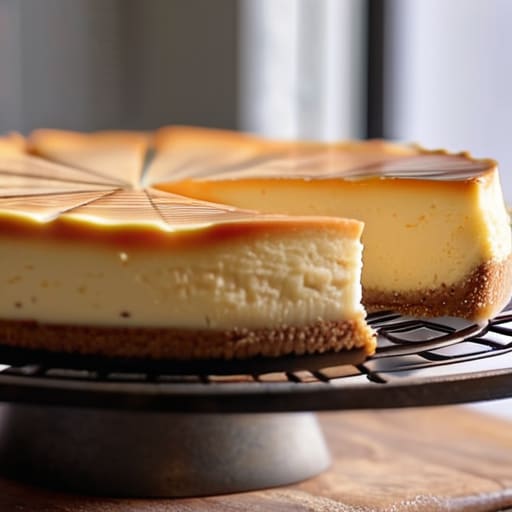
Watch the water, not just the clock; a water bath isn’t just a suggestion, it’s a buffer against the temperamental heat of your oven that prevents the edges from seizing while the center is still dreaming of being set.
Stop the mixer the moment the flour disappears; if you see bubbles rising like a storm, you’ve introduced too much air, and that air is exactly what will expand and tear your surface open in the heat.
Let the cake find its own peace; the most common mistake is pulling a cheesecake out the moment it looks firm, but you must let it cool in the oven with the door ajar, allowing the temperature to descend as slowly as a summer dusk.
The Quiet After the Bake
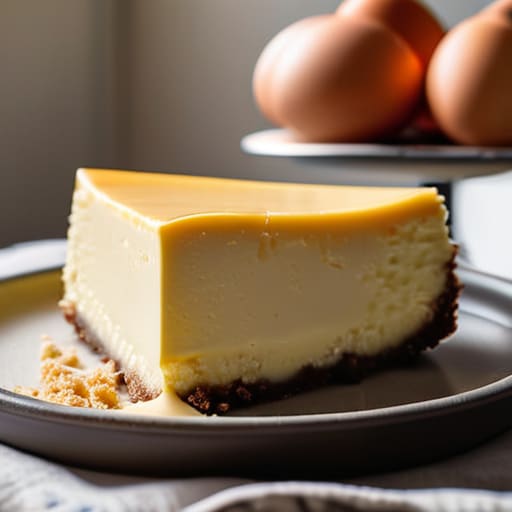
At the end of the day, preventing a crack isn’t about following a list of rules so much as it is about respecting the physics of your ingredients. You must remember that a cheesecake is a delicate emulsion, not a batter for a hearty sponge. Keep your eggs and cream at a true room temperature to avoid that dreaded separation, and for heaven’s sake, stop whisking the moment the flour disappears. If you manage your heat—whether through a gentle water bath or a steady, low oven—and you refuse to rush the cooling process, you have already won half the battle. A cheesecake doesn’t crack because you lacked a fancy tool; it cracks because the temperature was uneven or the air was forced into it too quickly.
I spent three decades watching dough rise and cakes set in the dim light of early mornings, and if there is one thing I learned, it is that you cannot bully a dessert into being perfect. You have to sit with it. If a crack does appear despite your best efforts, do not view it as a failure of the recipe. Instead, see it as a sign that the kitchen was perhaps a bit too warm or your hands were a bit too hurried. Patience is the silent ingredient that turns a simple mixture of dairy and sugar into something worth sharing. Now, let it rest, let it chill, and trust the process.
Frequently Asked Questions
If I’ve already overbeaten my batter and see too many bubbles, is there any way to save it before it goes into the oven?
If you see those tiny, frantic bubbles, you’ve invited too much air to the party. You can’t un-beat it, but you can try to settle it. Take a large metal spoon—not a whisk, mind you—and gently fold in a tiny bit of extra cream cheese or even a tablespoon of heavy cream to weigh those bubbles down. Then, tap the pan firmly on the counter a few times. It’s a bit of a gamble, but it’s better than a mountain of cracks.
My kitchen is particularly drafty and cold; should I adjust my oven temperature or the water bath to compensate for the chill?
Don’t you dare touch that oven dial. If you turn up the heat to fight a draft, you’ll just scorch the edges while the center remains a puddle, and that’s how you get those ugly cracks. Instead, focus on the water bath. Use warm water—not boiling, just warm—to give the pan a head start. If your kitchen is a refrigerator, let the cheesecake sit out longer before it ever sees the oven. Patience, not heat.
How can I tell if my water bath is actually working, or if the heat is just unevenly hitting the sides of the pan?
If your water bath is working, the edges of the cheesecake shouldn’t look like they’re racing toward the finish line while the center is still liquid. If the sides are puffed and setting hard while the middle wobbles like jelly, your heat is hitting the pan too directly. You want a gentle, even warmth. If you see steam rising aggressively or the water is boiling, turn it down; we’re looking for a simmer, not a boil.