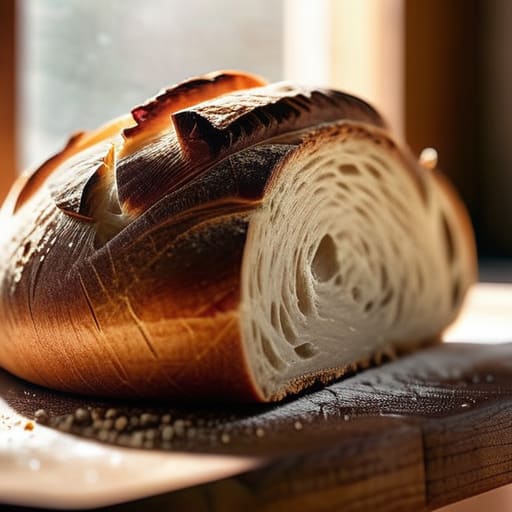
I remember a young mother coming into my shop years ago, eyes red-rimmed, clutching a box of expensive, pre-packaged gluten-free crackers like they were a lifeline. She was terrified that if she tried to bake something herself, she’d end up making someone sick, or worse, making something that tasted like cardboard. Most people will tell you that learning how to bake for someone with allergies requires a cabinet full of overpriced, specialty powders and a chemistry degree, but they are selling you a lie. You don’t need a magic ingredient to keep a kitchen safe; you need discipline and a clean workspace.
I am not going to waste your time with complicated substitutions that fall apart the moment they hit the oven. Instead, I’m going to teach you how to respect the science of the swap, focusing on how moisture and structure actually work when you pull wheat or dairy from the equation. We will talk about cross-contamination as if it were a physical intruder and why your scale is your most important tool for safety. I’ll show you how to build confidence through precision, ensuring that what you pull from the oven is both safe to eat and actually worth the effort.
Reading Food Labels for Allergens With Unwavering Precision
You can have the most disciplined hands in the world, but if you’re reading a label like you’re skimming a morning newspaper, you’ve already lost. When I was running the shop, I taught my apprentices that a label isn’t a suggestion; it’s a contract. You aren’t just looking for the big names like wheat or milk; you are hunting for the shadows. I’ve seen “natural flavors” or “lecithin” hide things that would put a person in the hospital. Reading food labels for allergens requires a level of scrutiny that most people find tedious, but in a kitchen where someone’s safety is on the line, tedium is your best friend.
Don’t let the marketing fool you, either. A bag of flour might boast about being “pure,” but if it was packed on a line that also processed soy, that “may contain” warning at the bottom is the only sentence that matters. You have to be vigilant about preventing trace amounts of allergens that sneak in through shared equipment. If the label doesn’t explicitly state it was produced in a dedicated facility, I don’t trust it. You treat every ingredient with a healthy dose of suspicion until it proves its innocence.
Preventing Trace Amounts of Allergens in a Shared Space

You can read every label in the shop twice, but if you’re using a wooden spoon that once stirred a peanut butter batter, you’ve already failed. Wood is porous; it holds onto oils and proteins like a grudge. When it comes to preventing trace amounts of allergens, your tools are just as important as your ingredients. I always tell my apprentices that a clean counter isn’t just one that looks tidy; it’s one that has been scrubbed with intention. You need to be ruthless with your cleaning. If you’re baking in a shared kitchen, don’t just wipe a surface with a damp rag—that often just moves the dust around. Use hot, soapy water or a dedicated sanitizer to ensure you are truly cleaning kitchen surfaces for food safety.
Even your smallest habits can cause a cross-contamination disaster. I’ve seen people use the same digital scale for flour and then for a nut-based meal without a thorough wipe-down, and that single gram of residue is enough to cause trouble. If you are serious about this, treat your workspace like a sterile lab. It sounds clinical, I know, but when a person’s health is on the line, there is no room for “close enough.”
The Discipline of the Substitute: Five Rules for Staying Safe
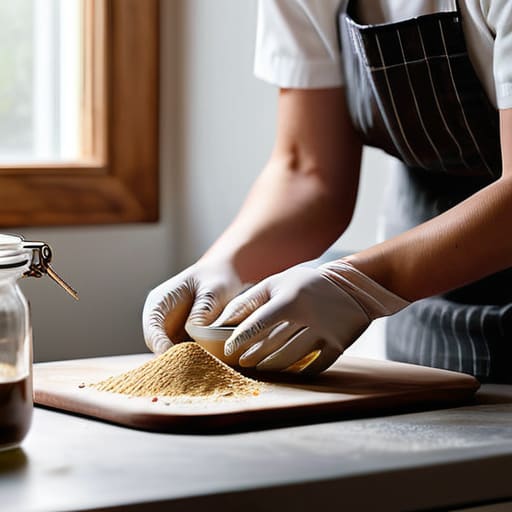
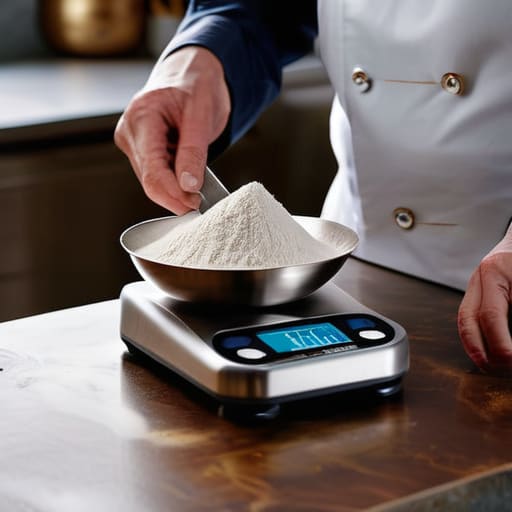
- Trust your scale, not your eyes. When you are swapping wheat for a gluten-free blend, you cannot rely on the “scoop and level” method of a cup; different flours have different densities, and a mistake in weight means a crumb that is either a brick or a puddle. Calculate your new hydration percentage immediately, because almond flour or rice flour will drink water differently than the wheat you are used to.
- Respect the chemistry of the egg. If you are baking for someone with an allergy and need to swap out eggs, don’t just throw in a spoonful of applesauce and hope for the best. Eggs provide structure and emulsification; if you remove them, you must understand what you are replacing—be it flax meal for binding or aquafaba for lift—otherwise, your cake will collapse before it even hits the cooling rack.
- Watch your temperatures like a hawk. If you are using alternative fats like coconut oil or specialized vegan butters to accommodate a dairy allergy, remember that their melting points are temperamental. A dough that relies on fat for tenderness can go from perfectly supple to a greasy mess if your kitchen is too warm or if you overwork the substitute.
- Sanitize the tools, not just the counters. I have seen a perfectly safe batch of gluten-free biscuits ruined because the baker used a wooden spoon that had spent the morning stirring rye flour. Wood is porous; it holds onto the very things you are trying to avoid. Use stainless steel or silicone whenever possible, and if you use wood, treat it like it’s contaminated.
- Test the dough, not just the result. Before you commit an entire batch to the oven, feel the dough between your fingers. Does it have the tension it needs? Does the substitute flour feel gritty or smooth? If the dough feels “off” during the mix, it will be disastrous in the oven. You have to learn the tactile language of these new ingredients before you can trust them.
The Baker’s Final Checklist for a Safe Loaf
Precision is your only defense; when you are swapping ingredients to avoid an allergen, you must recalculate your entire formula—especially hydration—because a substitute flour doesn’t behave like wheat, and a “close enough” measurement is how accidents happen.
Respect the tools as much as the ingredients; a wooden spoon that once stirred a batch of almond flour is no longer a clean tool, so if you aren’t using dedicated equipment for an allergenic kitchen, you aren’t actually baking safe bread.
Trust your senses over the clock; if a substitution makes the dough feel tighter or more sluggish than usual, don’t try to force it to meet a timer, because a stressed dough is a sign that the chemistry of your bake has shifted.
The Baker’s Responsibility
At the end of the day, baking for an allergy is not about following a modified recipe; it is about a fundamental shift in your entire process. You have to move from the casual mindset of a home cook to the disciplined rigor of a professional. This means reading every single label on your flour and leavening agents with a hawk’s eye, ensuring your workspace is scrubbed of any lingering traces of gluten or nuts, and understanding that precision is your only safety net. You cannot rely on memory or “close enough” measurements when someone’s health is on the line. If you haven’t accounted for the hidden stabilizers in your vanilla extract or the potential cross-contamination in your baking powder, you haven’t finished your preparation. Discipline is the most important ingredient you will ever bring to your kitchen.
I know it feels heavy sometimes, standing there over a bowl of ingredients, wondering if you’ve missed a single detail. But remember why you are doing this. You aren’t just making food; you are providing a way for someone to sit at a table and feel safe. When you master the mechanics of allergen-free baking, you reclaim the joy of sharing a loaf of bread or a slice of cake without that shadow of doubt hanging over the meal. Trust your training, respect the science of your ingredients, and let your hands do the careful work they were meant to do. Baking is an act of love, and sometimes, that love is best expressed through unwavering vigilance.
Frequently Asked Questions
If I’m replacing eggs or dairy to accommodate an allergy, how do I adjust my hydration percentages so the dough doesn't turn into a brick?
When you pull eggs or milk out of a recipe, you aren’t just losing flavor; you’re losing structure and moisture. An egg is roughly 75% water, but it carries fat and protein that hold everything together. If you swap them for a dry substitute, your hydration will plummet and you’ll end up with a brick. I usually increase my liquid component by about 5-8% to compensate, but watch the dough—it should feel tacky, not stiff.
How can I tell if my flour is truly safe when the packaging doesn't explicitly mention cross-contamination from shared equipment?
If the label is silent on shared equipment, you have to treat that flour as a gamble you can’t afford to take. I’ve seen too many “may contain” warnings ignored because the packaging looked clean. If you’re baking for someone with a severe allergy, don’t guess. Call the miller or the manufacturer directly. Ask them about their lines. If they can’t give you a straight answer, put the bag back. Precision starts before the flour even hits the bowl.
When I'm substituting gluten-free flours, how do I know if the dough needs more time to rest or a different handling technique to prevent it from falling apart?
Gluten-free flours are temperamental; they lack the elastic structure that holds everything together, so you can’t treat them like wheat. Most GF blends need a longer rest—at least thirty minutes—to allow the starches to fully hydrate, otherwise, you’ll end up with a gritty, crumbly mess. Don’t be aggressive with your handling, either. Instead of vigorous kneading, think of it as folding and tucking. You aren’t building tension; you’re just ensuring the moisture is evenly distributed.